



NMN (Nicotinamide Mononucleotide) supplementation is gaining attention for its role in boosting NAD+ levels, a vital molecule for energy production, DNA repair, and cellular health. However, when you take NMN can significantly influence its impact. Research shows that NAD+ levels follow a natural daily rhythm, peaking in the morning and declining by evening. To align with this cycle, taking NMN in the morning - ideally within 1–2 hours of waking - can optimise energy, focus, and metabolic activity throughout the day. Evening doses, on the other hand, may disrupt sleep due to NAD+'s role in promoting wakefulness.
NMN, NAD+, and Why Timing Matters
What NMN Does in the Body
NMN serves as a precursor for NAD+, a molecule essential for numerous cellular processes. Once absorbed, NMN enters the salvage pathway, a recycling mechanism within cells that efficiently converts it into NAD+ [4]. This pathway makes NMN one of the most effective methods for boosting NAD+ levels.
NAD+ is essential for over 500 enzymatic functions, including energy production (ATP synthesis), DNA repair, and activating sirtuins [8][5]. Sirtuins, in particular, play a critical role in regulating metabolism, promoting longevity, and responding to cellular stress.
However, as we age, the efficiency of this system declines. The enzyme NAMPT, which is central to NAD+ production, experiences a significant drop in activity - about 50% between the ages of 40 and 60 [6]. By age 60, CD38 activity, which consumes NAD+, increases two to threefold, further accelerating the decline [6]. This progressive reduction in NAD+ impacts cellular energy and overall vitality, highlighting the importance of taking NMN in the morning when NAMPT activity naturally peaks.
This efficient conversion process sets the stage for understanding how NAD+ levels fluctuate throughout the day.
How NAD+ Follows a Daily Rhythm
NAD+ levels in the body follow a circadian rhythm, rising in the morning and tapering off by evening. This rhythm is controlled by the CLOCK/BMAL1 system, the master regulator of the body's biological clock, which directly influences NAMPT activity [3][6].
During the morning, cells are optimised for energy production and metabolic processes. As the day progresses, NAD+ levels begin to decline, signalling the body to transition from active metabolism to rest and repair. Similarly, SIRT1, a sirtuin involved in DNA repair and metabolic regulation, also peaks in activity during the morning, reinforcing this natural rhythm [6].
Why Timing Can Change How You Feel
The timing of NMN supplementation plays a crucial role due to its short plasma half-life of around 30 to 45 minutes in humans [7]. Taking NMN in the morning - ideally within 1 to 2 hours of waking - ensures that the increase in NAD+ precursor aligns with the body's natural metabolic peak. This timing can lead to noticeable improvements in energy, focus, and overall performance [3][5]. These benefits are supported by clinical trials on NMN and physical performance, which demonstrate how optimised levels correlate with better outcomes.
On the other hand, taking NMN in the evening can disrupt this balance. Higher NAD+ levels at night can interfere with the body's transition to rest, as NAD+ promotes wakefulness by activating sirtuin-driven metabolic processes. In fact, 20% to 30% of individuals who take NMN late in the day report difficulty falling asleep or increased alertness [2][5]. By simply adjusting the timing of NMN supplementation, these issues can often be avoided.
The table below provides a quick overview of how timing aligns with specific goals:
| Timing | Primary Goal | Key Consideration |
|---|---|---|
| Morning (7:00 AM – 10:00 AM) | Energy, focus, metabolism | Best aligns with natural NAD+ peaks and NAMPT activity [3][6] |
| Afternoon (2:00 PM – 4:00 PM) | Reduced drowsiness, sustained performance | Suitable for split dosing or older adults; avoid late afternoon doses [3][9] |
| Evening (after 6:00 PM) | Overnight repair | Risk of sleep disruption; generally not advised [3][5] |
sbb-itb-55c436e
Signs You May Benefit From NMN Supplementation
As we age, our bodies undergo subtle changes that often go unnoticed until they become more pronounced, particularly after age 40. These changes are closely tied to declining NAD⁺ levels, which can impact energy, cognition, and overall vitality. Here are some key signs that might suggest your NAD+ levels are dropping and that NMN supplementation could be worth exploring.
Constant Fatigue and Low Energy
Do you wake up feeling drained, even after a full night's rest? This could indicate that your cells aren't producing enough ATP, the energy currency of the body. NAD+ plays a critical role in mitochondrial energy production, and its decline can lead to a persistent feeling of exhaustion. This isn't just regular tiredness - it's a deeper cellular issue that sleep alone can't fix [4].
Brain Fog and Poor Concentration
Struggling to stay focused or feeling mentally sluggish? The brain, being one of the most energy-intensive organs, is highly sensitive to NAD+ depletion. Symptoms like brain fog, reduced concentration, and slower cognitive processing often emerge when NAD+ levels can no longer support the brain's energy needs [4][5]. These challenges may become especially noticeable during work or study sessions, particularly later in the day.
Reduced Stamina and Exercise Performance
If you're finding it harder to complete workouts, feel breathless more quickly, or notice a decline in grip strength, it may signal reduced mitochondrial function linked to NAD+ loss [4][3]. Research has shown that NMN supplementation can help older adults improve physical markers like walking speed and aerobic capacity [4][5]. This suggests that such declines aren't inevitable and can be addressed.
Slower Recovery From Physical Activity
Do your muscles stay sore for days after moderate exercise? This could be another sign of suboptimal mitochondrial performance. When NAD+ levels drop, your muscles take longer to repair and replenish energy stores. Persistent soreness lasting two to three days after activity might point to reduced NAD+ availability as a contributing factor [4][10].
General Decline in Energy and Vitality
A noticeable decrease in overall vitality - less motivation, slower recovery, and even changes in skin texture - could also be tied to NAD⁺ depletion [4][8]. As Dr. David Sinclair, a genetics professor at Harvard Medical School, explains:
"NAD+ decline is one of the most reproducible hallmarks of aging."
These observations underline the importance of aligning NMN supplementation with your body's changing needs.
Age-Specific NAD+ Decline and Supplementation Guide
To help you understand how NAD+ levels and supplementation needs evolve with age, here's a helpful guide:
| Age Range | NAD⁺ Decline | Daily NMN Dose | Primary Benefit Focus |
|---|---|---|---|
| 25–35 | Minimal/Beginning | 250 mg | Early prevention and baseline maintenance |
| 36–45 | Accelerating | 250–500 mg | Addressing early fatigue and mental fog |
| 46–55 | Significant (up to 50% loss) | 500–750 mg | Restoring metabolic health and stamina |
| 56–65+ | Steep deficit | 500–1,000 mg | Supporting cognitive function and physical recovery |
Pro Tip: Adjust your NMN intake timing to align with age-related metabolic changes for better results.
If you find yourself identifying with several of these signs, introducing NMN into your routine might be worth considering. Start with a consistent morning dose, and monitor your energy, focus, and recovery over 8 to 12 weeks. This approach can help you determine whether NMN supplementation aligns with your wellness goals [4][7].
How to Choose the Best Time to Take NMN
Timing your NMN intake to align with your body's energy patterns can make a big difference in boosting NAD+ levels. Below, you'll find strategies for morning, midday, and evening doses, along with tips to fit NMN into your daily routine in India.
Morning NMN for Energy and Mental Focus
Taking NMN in the morning works well with the body's natural NAD⁺ rhythm, which peaks during the first half of the day [3]. This timing supports your active phase and enhances energy and focus.
"NAD+ levels naturally peak in the first half of the day and decline toward evening, which is why most clinical trials administered once daily before breakfast." - Tao Wu, Founder of YourHealthier [3]
In a clinical trial, participants taking 250 mg of NMN in the morning saw a sixfold increase in blood NAD⁺ levels over 12 weeks. For the best results, take NMN within 1–2 hours of waking, ideally before or with breakfast. This helps fuel both mental and physical activity during the day [3].
Midday or Afternoon NMN for Sustained Performance
If you often feel sluggish in the afternoon, taking NMN around midday might help. A 2022 study by Kim et al. found that a 2:00 PM dose reduced drowsiness in older adults more effectively than morning dosing alone [3]. For those on higher doses (above 500–600 mg daily), splitting the dose between morning and early afternoon can help maintain steady NAD⁺ levels throughout the day.
Evening NMN and Sleep: What to Watch Out For
Taking NMN in the evening can sometimes interfere with sleep. Around 20% to 30% of users report feeling unusually alert or experiencing disrupted sleep when NMN is taken late in the day [5]. If evening dosing is unavoidable, aim to take it well before bedtime and monitor how it affects your sleep.
Should You Take NMN on an Empty Stomach?
Since NMN is water-soluble, it absorbs effectively on an empty stomach, typically within 30 to 60 minutes of ingestion [4]. However, about 10% of users report mild stomach discomfort when taking NMN without food [3]. If this happens to you, try taking it with a light meal. Pairing NMN with resveratrol? Add a source of healthy fat - like eggs, full-fat yoghurt, or nuts - to improve absorption [1].
Matching NMN Timing to Your Daily Routine in India
Your daily schedule plays a key role in deciding when to take NMN. Below are some examples tailored to common routines in India, showing how consistent timing during your active hours can help maintain steady NAD+ levels.
| Lifestyle | Recommended Timing | Reason |
|---|---|---|
| Standard 9-to-6 professional | Within 1–2 hours of waking | Matches the natural NAD+ peak and supports productivity in the morning |
| Early morning exerciser | 30–60 minutes before workout | Enhances mitochondrial energy during exercise |
| Intermittent faster (16:8) | At the start of the eating window | Reduces nausea while breaking the fast |
| Night shift worker | At the start of their active period | Aligns with their personal "morning" |
| Older adult (65+) | Split dose: morning and mid-afternoon | Compensates for lower NAD+ levels and combats afternoon fatigue |
For those managing long commutes in cities like Mumbai or Bengaluru, taking NMN before leaving home can help maintain mental clarity during travel and support productivity during the early work hours. The key is consistency - taking NMN at the same time daily ensures stable NAD+ levels over the long term.
NMN Dosage, Resveratrol Pairing, and How Long to Wait for Results
Fine-tuning your NMN dosage and pairing it with complementary compounds can significantly enhance its effectiveness.
How Much NMN Should You Take Daily?
Start with 250 mg daily for the first four weeks, then adjust based on your needs. For adults aged 30 to 60, 500 mg per day is the most commonly recommended starting dose [4]. A 2022 multicenter study pinpointed 600 mg daily as the optimal dose for improving blood NAD⁺ levels and physical performance [3]. Younger adults under 35 often see results with 250 mg, while individuals over 65 may benefit from higher doses, ranging between 500 mg and 1,000 mg, to counter the natural decline in NAD⁺ levels [4][3]. Studies have confirmed the safety of NMN at doses up to 1,250 mg daily [4].
Should You Pair NMN With Resveratrol?
Once your NMN dosage is set, pairing it with resveratrol can amplify its effects. The two work in tandem: NMN boosts NAD+ levels, while resveratrol activates sirtuin proteins (especially SIRT1), which utilise NAD+ for cellular repair, DNA protection, and metabolic balance [4][3]. Research indicates that combining NMN with resveratrol can increase NAD+ levels in heart tissue by up to 1.6 times and in muscle tissue by 1.7 times compared to NMN alone [4].
Here’s a practical tip: NMN is water-soluble, while resveratrol is fat-soluble. To improve resveratrol absorption, take it with a healthy fat source like eggs, full-fat curd, or a handful of nuts [4][1]. Research often uses a paired dose of 250–500 mg of trans-resveratrol alongside NMN [3].
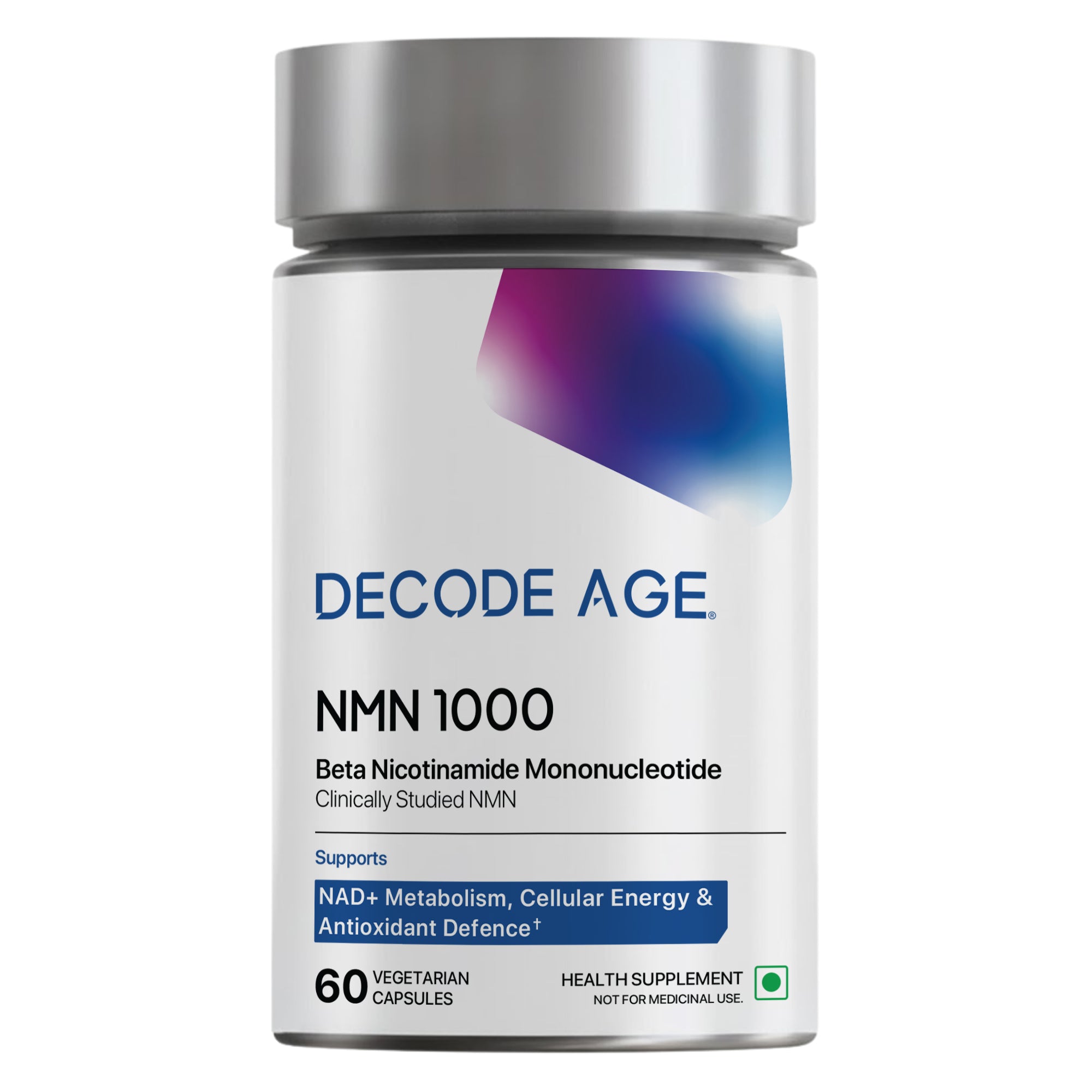
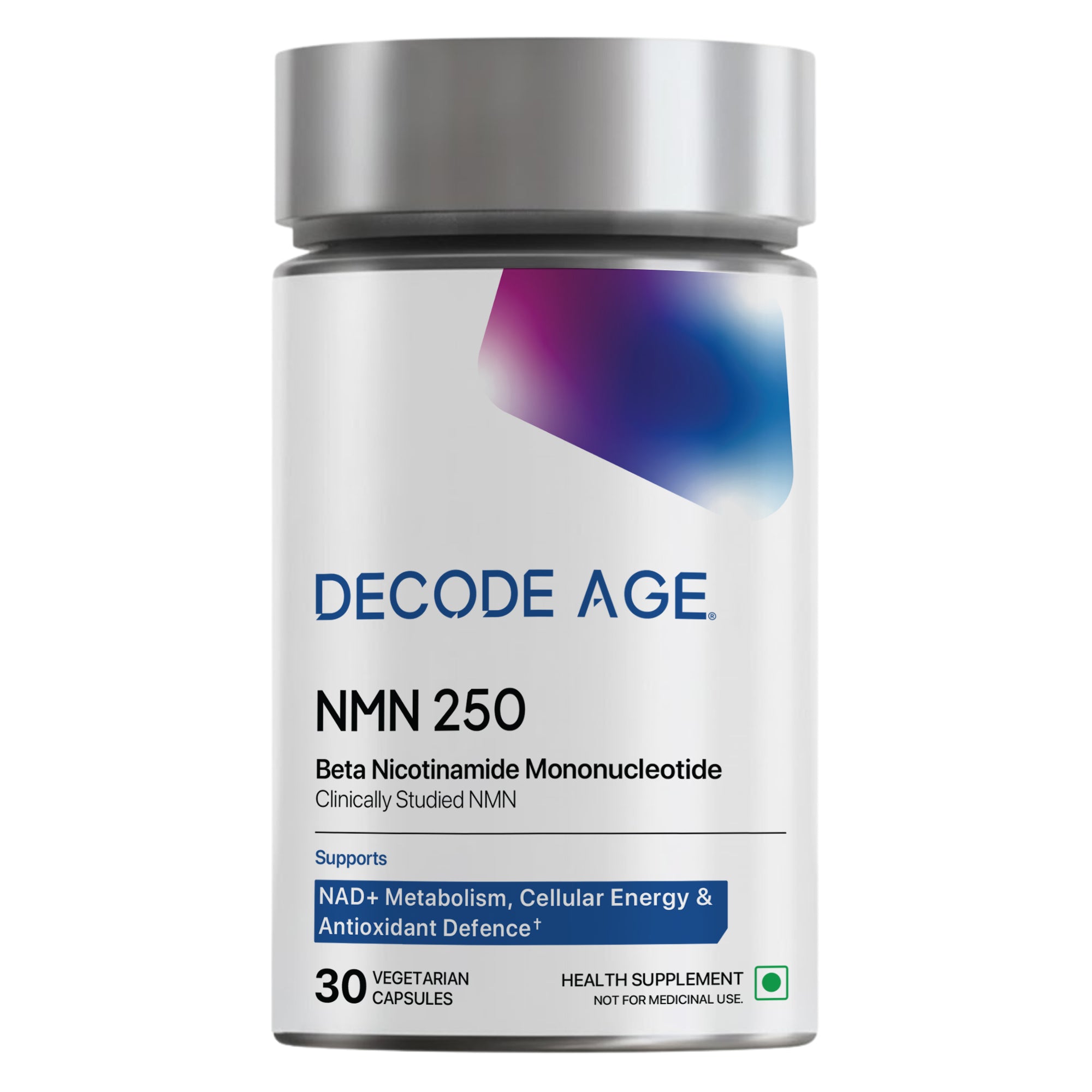
Decode Age simplifies this process by offering NMN and trans-resveratrol as part of its longevity-focused supplement line, making it easy to integrate both into your daily routine.
When Will You See Results?
Results require patience and consistency. NAD+ levels start rising within 14 days, and a 2026 Nature Metabolism study showed they could double within this period at a 1,000 mg daily dose [3]. Subtle changes, such as increased energy and alertness, may appear in the first two weeks, especially with consistent morning dosing. Improvements in focus and mental clarity often become noticeable by the end of the first month. More pronounced NMN benefits - like better exercise recovery, smoother skin, and improved sleep - typically emerge between two and three months. Significant metabolic changes usually require 8 to 12 weeks of consistent supplementation [4][1].
"NAD+ levels begin rising within the first two weeks of supplementation regardless of timing. The primary factor is consistency - daily use for at least 4–12 weeks." - Tao Wu, Founder of YourHealthier [3]
Cost, Dosing, and Staying Consistent in India
In India, maintaining a consistent routine is crucial for effective results with NMN. Taking it at the same time each day, even if the timing isn’t perfect, delivers better outcomes than irregular use [3][1]. To build this habit, set a daily reminder or place your supplement near your morning chai or breakfast.
For those taking doses of 600 mg or more, splitting the dosage - one part in the morning and the other before 2:00 PM - can help avoid sleep disturbances [3][1]. Additionally, store NMN in a cool, dark place and use it within 60 to 90 days of opening to maintain its potency [3].
What Affects NMN Effectiveness and Mistakes to Avoid
Beyond just dosage and timing, your daily habits play a major role in how effectively NMN works for you.
Lifestyle Factors That Influence NMN's Impact
Your lifestyle choices can either amplify or hinder the benefits of NMN. For instance, alcohol consumption significantly reduces NAD⁺ levels, directly working against the effects of supplementation [7][8]. Similarly, chronic stress and poor sleep patterns can weaken NMN's benefits, as no supplement can fully counterbalance a body under constant strain [1].
A diet lacking in protein, B vitamins, tryptophan, and magnesium also impacts your body's ability to produce NAD⁺, which reduces NMN's effectiveness [8]. If your daily NMN intake is 500 mg or higher, pairing it with TMG (Trimethylglycine) at a 1:1 ratio is advisable. This helps mitigate the depletion of your body's methyl pool caused by higher doses [6].
Common Mistakes When Taking NMN
Many common errors in NMN use are easy to correct once you’re aware of them. Here's a quick guide:
| Mistake | Consequence | How to Avoid |
|---|---|---|
| Evening dosing | Can cause insomnia or vivid dreams in 20–30% of users [2] | Take NMN before 2:00 PM [3] |
| Taking on an empty stomach | May lead to nausea or gastrointestinal discomfort in 10–12% of users [3] | Consume with a light meal containing some fat [1] |
| Inconsistent use | Leads to fluctuations in NAD⁺ levels | Link your dose to a daily habit, like breakfast |
| Expecting immediate results | May lead to early discontinuation | Stick to a routine for at least 12 weeks to see benefits [6][7] |
| Improper storage | Causes NMN to degrade into less effective nicotinamide | Store in a cool, dark place in an opaque container with a desiccant [2] |
Consistency is key when it comes to NMN. Its benefits build up over time, so daily use is essential.
When to Consult a Doctor in India
While most healthy adults can start NMN without a prescription, certain situations call for professional advice. If you have a history of cancer, are pregnant, breastfeeding, or managing significant liver, kidney, or cardiovascular conditions, it’s best to consult a doctor before beginning NMN supplementation [3][8].
In India, NMN is sold as a food supplement, which means some products may contain fillers or lack verified purity. To ensure quality, always choose a product with a Certificate of Analysis (COA) confirming at least 99% purity, verified through HPLC testing [3]. If you’re taking medications for metabolic or cardiovascular issues - or drugs that interact with the NAD⁺ pathway, like methotrexate - seek medical advice before adding NMN to your regimen [3][6].
Balancing your supplementation routine with healthy lifestyle choices is essential for maximising NMN's potential benefits for energy and ageing well.
Conclusion
Although there’s no universal rule for everyone, research suggests that taking 250–500 mg of NMN in the morning - alongside or before breakfast - may be the most effective way to align with peak NAD⁺ production [3][1]. This highlights not just the importance of timing but also the need to integrate NMN into your daily habits for optimal results.
That said, timing alone won’t reverse declining NAD⁺ levels overnight. Studies indicate that NAD⁺ levels can drop by up to 50% between your twenties and your fifties [1][4], making consistent daily supplementation crucial for noticeable benefits. The evidence presented earlier reinforces the idea that a well-planned NMN regimen should become a natural part of your routine.
To get the most out of NMN, pair it with an established morning habit and allow at least 12 weeks to gauge its impact [6][7]. Additionally, limit lifestyle habits that affect your NAD+ levels, such as alcohol consumption and poor sleep, and consider adding TMG if your intake exceeds 500 mg per day [6][7]. In the end, consistency in timing, dosage, and daily use is key. Build a routine that works for you and let regularity guide your NMN supplementation journey.
FAQs
Should NMN be taken on an empty stomach?
Taking NMN on an empty stomach is entirely a personal choice and doesn’t impact its effectiveness. As a water-soluble compound, NMN is absorbed efficiently whether taken with food or not. Some people like to take it in the morning on an empty stomach, believing it may be absorbed more quickly. However, if you find it causes nausea or acid reflux, having it with a light meal or snack is perfectly fine. What truly matters is maintaining a consistent routine, regardless of whether you take it with or without food.
Is morning supplementation better for energy support?
Taking NMN in the morning is generally advised because it complements the body’s natural circadian rhythm, aligning with the peak production of NAD+ during the more active parts of the day. This timing can support sustained energy levels and improved focus throughout your daily activities. That said, personal preferences and schedules can influence the best time for supplementation. If NMN boosts your energy, it’s wise to avoid taking it near bedtime, as it could interfere with sleep.
Can NMN help with fatigue and low energy?
NMN plays a role in addressing fatigue and low energy by increasing NAD+ levels. NAD+ is a crucial coenzyme that supports mitochondrial function and energy metabolism. With improved NAD+ production, NMN helps maintain steady energy levels, reducing feelings of tiredness and promoting better alertness. While minor benefits might be noticeable within a few weeks, more significant improvements in energy and overall metabolic health typically take about 8–12 weeks of regular use.
Does taking NMN at night affect sleep?
The effects of NMN on sleep can differ from person to person. As NMN enhances cellular energy, consuming it later in the day may leave some individuals feeling energised, potentially delaying their ability to fall asleep. While a few people have noted improved recovery when taking NMN in the evening, those who are more sensitive to its stimulating effects are advised to take their final dose by 4:00–6:00 PM to prevent insomnia. For most, taking NMN in the morning is the most reliable approach to avoid any disturbances to their sleep cycle.
Should NMN be combined with resveratrol?
Combining NMN (Nicotinamide Mononucleotide) with resveratrol has gained attention due to their potential complementary effects. NMN helps increase NAD+ levels, which are crucial for cellular repair and energy production. On the other hand, resveratrol is known to activate sirtuins, a group of proteins that rely on NAD+ to regulate various cellular processes, including ageing and metabolism.
While animal studies suggest a promising synergy between these two compounds, evidence from human studies remains limited. For those choosing to take both, it’s recommended to pair them with a meal containing healthy fats - such as nuts, avocado, or olive oil - as fats can improve the absorption of resveratrol. Remember, maintaining a consistent routine is more impactful than focusing on the exact timing of consumption.





Leave a comment
All comments are moderated before being published.
This site is protected by hCaptcha and the hCaptcha Privacy Policy and Terms of Service apply.