



A 7-day meal plan for muscle gain should give you enough protein, training energy and recovery nutrition without becoming difficult to follow. The plan below uses Indian vegetarian and non-vegetarian options, so you can adapt it to your preferences and budget.
For most people who resistance train, a daily protein intake of around 1.4 to 2.0 grams per kilogram of body weight is sufficient for building or maintaining muscle. Spread protein across the day rather than relying on one very large meal.
How to Use This 7-Day Meal Plan for Muscle Gain
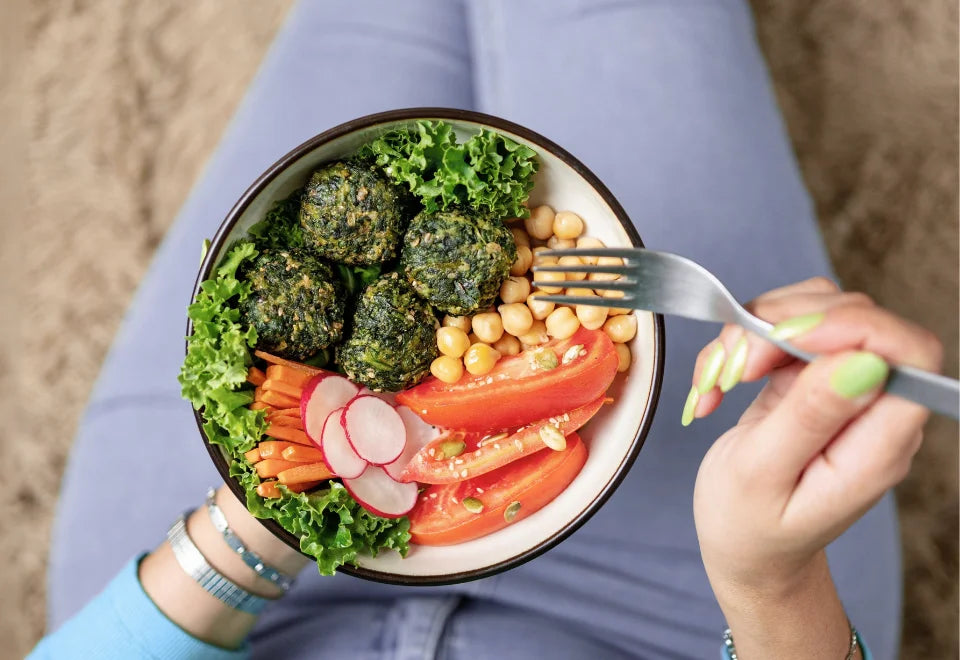
Build every main meal around four components:
- A protein source: eggs, chicken, fish, paneer, tofu, soy chunks, curd, dal or beans
- A carbohydrate source: rice, roti, oats, potatoes, poha, idli or millet
- Vegetables or fruit for fibre and micronutrients
- A fat source: nuts, seeds, peanut butter, ghee, olive oil or avocado
This is not a fixed calorie prescription. If you want to gain weight, increase portions of rice, roti, oats, potatoes or fats gradually. If you want to lose fat while preserving muscle, reduce those portions modestly but keep your protein intake consistent.
Day 1
- Breakfast: Moong-dal chilla with paneer filling, plus curd
- Lunch: Chicken curry with rice, dal, and mixed vegetables
- Snack: Greek yoghurt or hung curd with fruit and almonds
- Dinner: Tofu or fish stir-fry with roti and salad
Vegetarian swap: Use soy chunks or rajma in place of chicken.
Day 2
- Breakfast: Oats cooked in milk with peanut butter, banana, and chia seeds
- Lunch: Rajma rice with cucumber raita and a side salad
- Snack: Protein shake, or milk with roasted chana
- Dinner: Egg bhurji with rotis and sautéed vegetables
Vegetarian swap: Replace eggs with tofu bhurji or paneer bhurji.
Day 3
- Breakfast: Vegetable omelette with toast and fruit
- Lunch: Paneer tikka, jeera rice and dal
- Snack: Sprouts chaat with curd
- Dinner: Grilled chicken, sweet potato and vegetables
Vegetarian swap: Use marinated tofu or tempeh in place of chicken.
Day 4
- Breakfast: Idli with sambar, plus a bowl of curd
- Lunch: Fish curry with rice, vegetables and salad
- Snack: Cottage cheese or paneer cubes with fruit
- Dinner: Chole with rotis and a side of yoghurt
Vegetarian swap: Use chole, dal, or soy chunks instead of fish.
Day 5
- Breakfast: Besan chilla with curd and mint chutney
- Lunch: Chicken or tofu pulao with raita
- Snack: Banana smoothie with milk or unsweetened soy milk
- Dinner: Dal, paneer, and rotis with mixed vegetables
Vegetarian swap: Choose tofu pulao and add roasted chana if you need more protein.
Day 6
- Breakfast: Poha with peas and peanuts, alongside boiled eggs or curd
- Lunch: Soya-chunk curry with rice and salad
- Snack: Protein shake or roasted makhana with yoghurt
- Dinner: Grilled fish or paneer with potatoes and vegetables
Vegetarian swap: Choose paneer, tofu or soy chunks as the main protein source.
Day 7
- Breakfast: Overnight oats with milk, yoghurt, fruit and nuts
- Lunch: Dal khichdi with paneer, curd and vegetables
- Snack: Hummus with carrots, cucumber and roasted chana
- Dinner: Chicken, tofu or paneer wraps with whole-wheat rotis and salad
Vegetarian swap: Use tofu or paneer in the wrap and add beans for more protein.
How Much Protein Should You Eat?
Protein needs depend on your body weight, training experience, age, energy intake, and goal. A useful starting point for healthy adults who resistance train is around 1.4 to 2.0 grams of protein per kilogram of body weight per day.
Rather than becoming overly focused on exact timing, aim for a protein-containing meal or snack every three to four hours. A practical meal often provides roughly 20 to 40 grams of high-quality protein, depending on your size and needs.
The ICMR-NIN adult protein RDA is designed as a baseline requirement for the general population. A muscle-building plan may need more protein than that baseline when you train regularly.
Adjusting Portions for Your Goal
If You Want to Gain Muscle and Weight
Add one or two of the following each day:
- An extra roti or half to one cup of cooked rice
- More oats, potatoes or fruit around training
- A glass of milk, yoghurt or a protein shake
- Nuts, seeds, peanut butter or olive oil added to meals
Increase food gradually. Rapidly adding calories can make digestion and adherence harder.
If You Want to Gain Muscle While Losing Fat
Keep the protein portion the same. First, reduce calorie-dense extras, such as oils, fried snacks, sugary drinks, and oversized portions of rice or rotis.
Continue resistance training. Muscle gain and fat loss can happen together for some people, especially beginners or people returning to training, but progress is usually slower than a dedicated gain or fat-loss phase.
Supplements: Useful, but Optional
Food is the foundation. Supplements are tools for convenience or specific gaps.
- Protein powder: Helpful when meals alone do not let you meet your protein target.
- Creatine monohydrate: One of the better-studied options for resistance training performance. Speak with a clinician first if you have kidney disease, a health condition, or take regular medication.
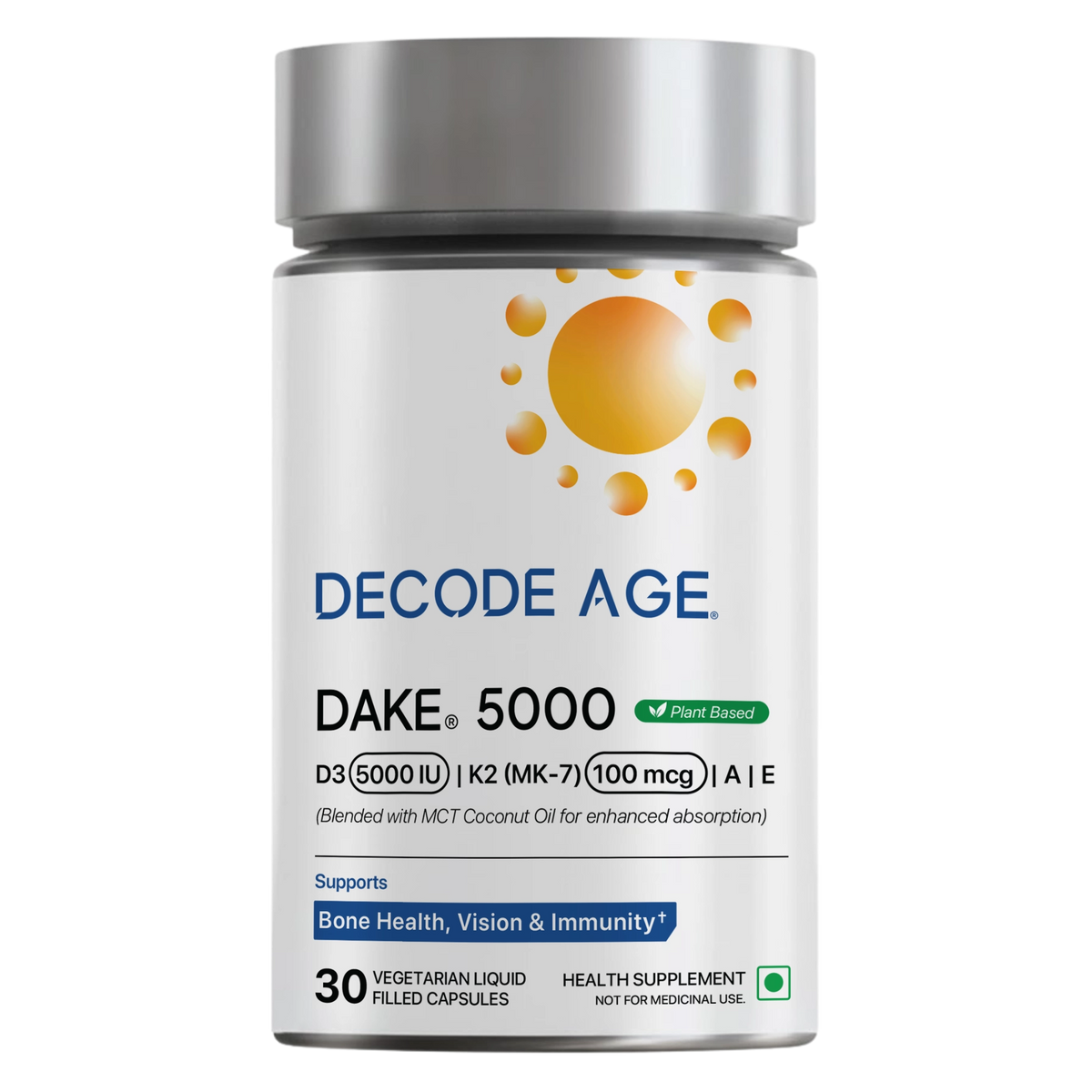
- Vitamin D: Consider testing or professional advice if low intake, limited sun exposure, or symptoms suggest a possible gap.
- Magnesium: May help address low intake and support normal muscle function, but it is not a shortcut to muscle growth. Read our guide to magnesium glycinate and L-threonate to choose based on your goal.
- BCAAs: Usually unnecessary when you already consume enough complete protein.
- Collagen: May fit joint-focused goals, but it is not a complete protein for muscle building.
Training and Recovery Make the Plan Work
Food provides the building blocks. Resistance training provides the reason for your body to adapt.
Aim to train major muscle groups at least twice each week, use exercises you can progress over time, and include recovery days. Resistance training improves strength, muscle size, power, and physical function, while consistency matters more than complex routines.
Sleep matters too. Use our sleep hygiene tips for stress recovery to protect your recovery routine.
Make the Plan Fit Your Life
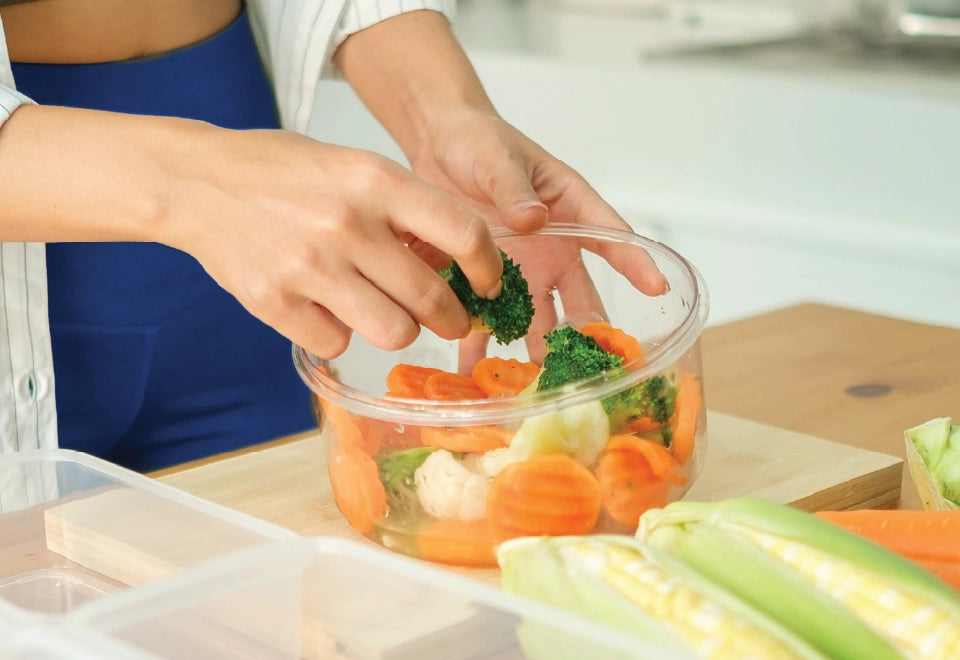
The best meal plan is one you can repeat, adjust, and enjoy. Batch-cook a protein source, a carbohydrate base and vegetables twice each week. Keep convenient options such as curd, eggs, roasted chana, fruit, milk and tofu available for busy days.
If you have diabetes, kidney disease, digestive concerns, food allergies or a history of disordered eating, ask a registered dietitian or clinician to personalise the plan.
FAQs
Can I build muscle on a vegetarian diet?
Yes. Use paneer, milk, curd, tofu, soy chunks, dals, beans, chana and, if useful, a plant-protein powder. Spread protein across meals instead of relying only on dal at dinner.
What are the best Indian foods for muscle gain?
Eggs, chicken, fish, paneer, tofu, soy chunks, milk, curd, dals, beans, rice, rotis, oats, potatoes, fruit, vegetables, nuts and seeds can all fit a muscle-gain plan.
How long does muscle gain take?
Strength improvements can begin within weeks, but visible muscle gain depends on your training history, food intake, sleep, consistency, and genetics. Review progress over several weeks, not several days.
Do I need protein powder to build muscle?
No. Protein powder is convenient, not essential. Use it when food alone does not make your protein target practical.
Can I follow this plan if I have diabetes?
Do not follow portions blindly. Carbohydrate amount, medication use, activity, and blood-glucose management need individual adjustment from your clinician or dietitian.





2 comments
Sushma Jaiswal
Can a vegetarian increase muscle mass and reduce fat after 65?
Rama Krishna Perumalla
iam aged about 53 years , iam suffering from diabetic and psoriatic arthritis patient please suggest me which is the best food for regain my health muscle fitness
Leave a comment
All comments are moderated before being published.
This site is protected by hCaptcha and the hCaptcha Privacy Policy and Terms of Service apply.