



The best supplements for low energy are NMN, Magnesium, Vitamin B12, Vitamin D, Iron, and CoQ10 — each fixes a different reason your cells stop making energy efficiently. If you are tired all the time in India despite sleeping enough, a nutrient gap is one of the most common and most fixable causes. Here is what each one does and who needs it most.
There is a kind of tiredness that sleep does not fix. You get seven or eight hours of rest, wake up, and still feel like your body is running on half a tank. Coffee gives you an immediate lift, but the fog returns by mid-afternoon, and even simple tasks feel harder than they should.
This constant exhaustion is not simply stress or poor motivation. In many cases it reflects underlying biology — particularly nutritional gaps that affect how your body produces energy. The evidence shows that chronic psychological and physical stress can quietly deplete key micronutrients like magnesium, zinc, and iron, the very nutrients your cells need to make energy (stress depletes micronutrients). Understanding that link is the first step toward choosing the right energy supplements and restoring steady vitality.
Why Do You Feel Low on Energy? (And Which Nutrient Gap Is Most Likely)
Low energy usually traces back to one of a handful of root causes — and most of them are nutritional. Before reaching for another coffee, it helps to know which gap is most likely driving your fatigue.
- Iron deficiency — the most common nutritional deficiency worldwide, and a leading cause of persistent tiredness, especially in menstruating women (iron deficiency and fatigue).
- Vitamin B12 deficiency — common in vegetarians, vegans, and older adults, because B12 is found mainly in animal foods (B12 deficiency and energy).
- Low magnesium — quietly depleted by stress and involved directly in turning food into ATP (magnesium and energy metabolism).
- Low vitamin D — increasingly common in people who spend long hours indoors, and linked to fatigue and reduced physical performance.
- Declining NAD⁺ — a coenzyme central to cellular energy that falls with age, slowing how efficiently your mitochondria generate fuel.
In the absence of an underlying illness, ongoing fatigue, tiredness, and low energy can often be traced to exactly these kinds of vitamin and mineral shortfalls (vitamins, minerals and fatigue). The good news: once you know the gap, you can close it.
Best Supplements for Low Energy at a Glance
Use this quick comparison to match the right supplement to your situation, then read the detailed sections below.
| Supplement | What it does | Best for | Decode Age product |
|---|---|---|---|
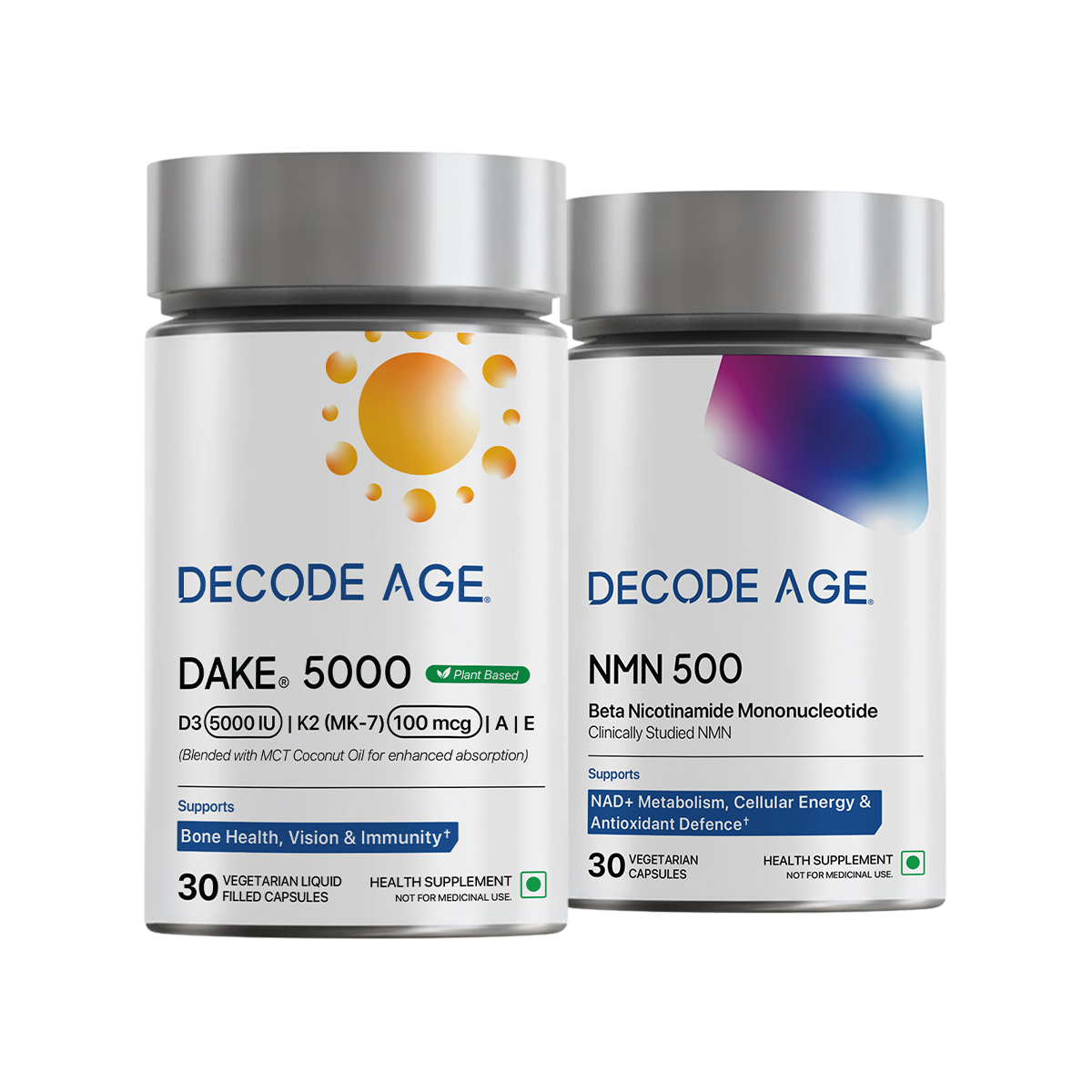
| NMN | Replenishes NAD⁺ for cellular energy and recovery | Age-related fatigue, low stamina, focus | NMN500 / LongeVit™ |
| Magnesium | Supports ATP production, muscle relaxation, sleep | Stress-related fatigue, cramps, poor sleep | Mag7™ |
| Vitamin B12 | Builds red blood cells, supports nerves | Vegetarians, vegans, older adults | DAKE® (multivitamin base) |
| Vitamin D | Supports muscle function, immunity, mood | Indoor lifestyles, limited sun exposure | DAKE® |
| Iron | Carries oxygen to tissues for energy | Menstruating women, low stamina | DAKE® (supportive nutrients) |
| CoQ10 | Helps mitochondria convert fuel into energy | Low energy with age, migraine, stress | CoQ10 |
To Understand Fatigue, Start With How the Body Creates Energy
Every cell in your body produces energy inside structures called mitochondria. These cellular “power plants” convert nutrients from food into usable fuel in the form of ATP, the molecule that powers nearly every biological function.
For mitochondria to work efficiently, the body needs a steady supply of micronutrients — iron, magnesium, B vitamins, and vitamin D all take part in energy metabolism. When any of these falls below optimal levels, the whole energy system becomes less efficient.
Over time that shows up as feeling continuously tired, trouble concentrating, and lower physical endurance. Reviews of the clinical evidence confirm that micronutrient deficiencies are a significant but often overlooked cause of chronic tiredness (micronutrients and energy metabolism).
Why Energy Levels Drop Over Time
Fatigue usually develops gradually rather than suddenly. Several factors stack up together, including nutritional deficiencies, chronic stress, reduced nutrient absorption with age, hormonal changes, and poor sleep quality.
When these accumulate, the body’s ability to produce energy declines. Instead of feeling naturally alert, people lean harder on caffeine or sugar for temporary stimulation — which tends to make the underlying gap worse.
Which Nutrients Matter Most for Energy
Certain nutrients are closely tied to how energetic or tired you feel. When the body does not get enough of them, your cells struggle to produce energy. This supplement starter guide can help you decide where to begin. Below are the most important ones, and how targeted supplementation helps.
Iron: Helping Your Body Deliver Oxygen
Iron helps your blood carry oxygen around the body. It forms part of haemoglobin, the protein in red blood cells that delivers oxygen to your tissues. When iron is low, your cells receive less oxygen, which makes energy production harder and leads to tiredness, reduced stamina, and difficulty concentrating. Iron deficiency is one of the most common nutritional deficiencies and is strongly linked to persistent tiredness (iron-deficiency anaemia).
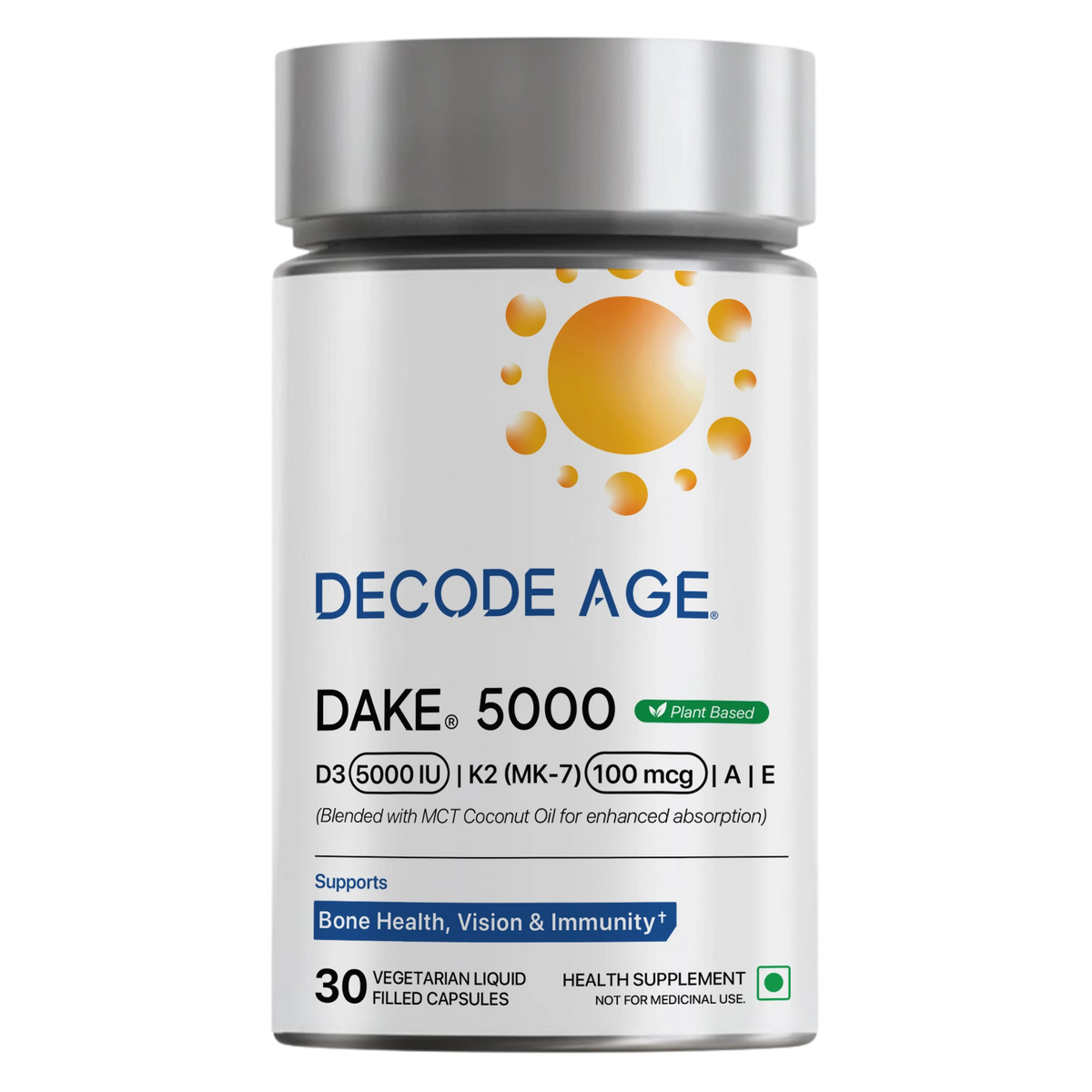
Iron works best when the rest of your nutrient balance is in place. A quality multivitamin like DAKE® supplies supportive nutrients such as vitamin D3, K2, A, and E that contribute to overall physiological balance, immunity, and cellular health — a useful base when you are addressing low energy.
Magnesium: Supporting Energy Production
Magnesium drives hundreds of reactions that keep the body running. One of the most important is helping convert the food you eat into ATP. It also supports muscle relaxation, helps regulate the nervous system, and plays a role in managing stress.
Because stress increases magnesium loss, many adults gradually slip into lower levels without realising it. Magnesium is directly involved in the energy-production pathway mitochondria use to generate ATP, and adequate intake supports energy metabolism while reducing fatigue (magnesium, ATP and aging).
Multi-source formulations like Mag7™ combine different forms of magnesium to aid absorption, muscle recovery, and sleep quality.
B Vitamins (Including NMN): Turning Food Into Energy
B vitamins help the body convert carbohydrates, fats, and proteins into usable energy. Two of the most important are vitamin B12 and folate, which help produce healthy red blood cells and support the nervous system. When levels run too low, people may experience anaemia, weakness, and ongoing fatigue.
This is why B-complex supplements are often recommended for low vitality. Vitamin B12 deficiency is particularly common in older adults and in people following vegetarian or vegan diets, since B12 is found mainly in animal foods (vitamin B12 in health and disease).
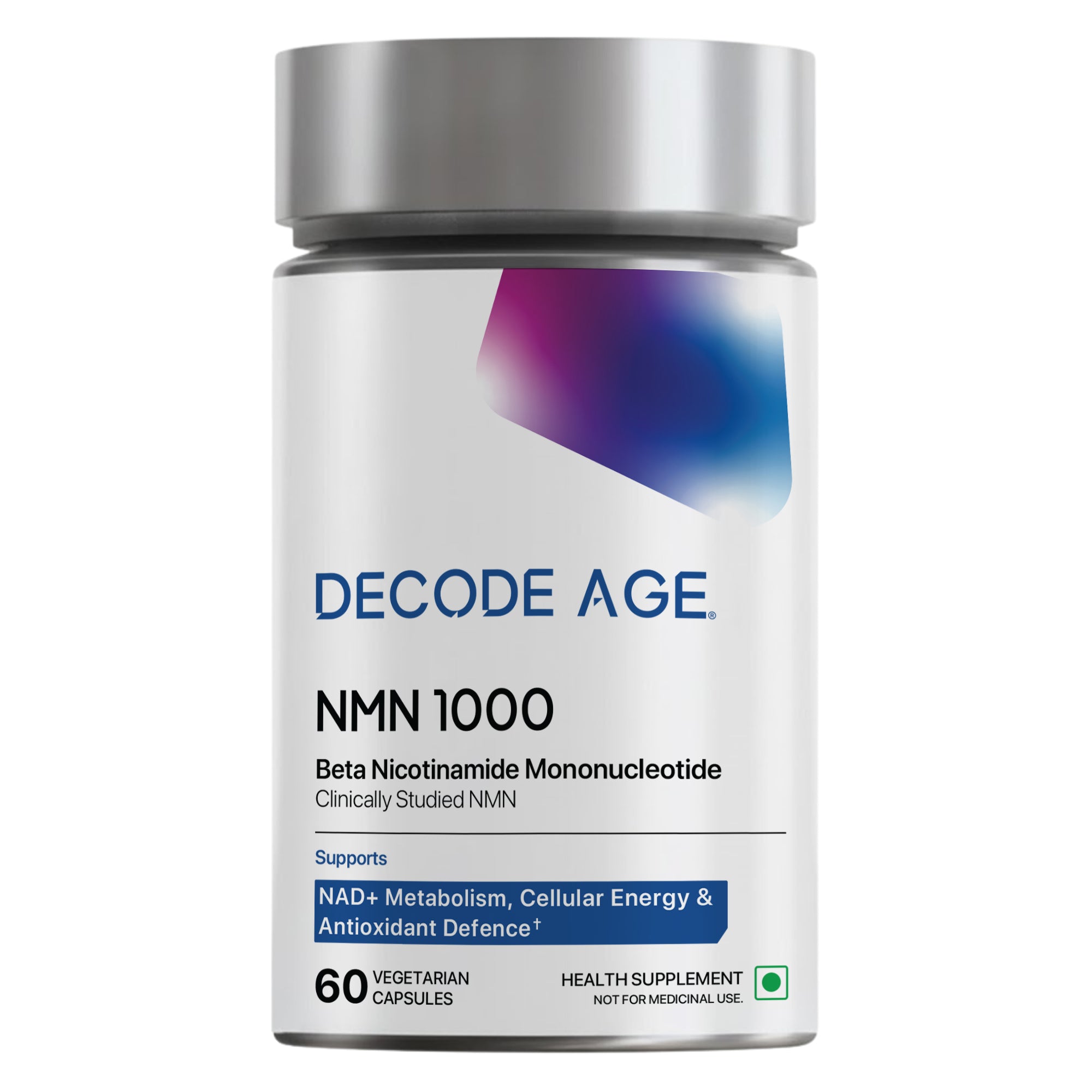
Beyond the traditional B vitamins, NMN (Nicotinamide Mononucleotide), a derivative of vitamin B3, has emerged as a key compound for cellular energy. NMN supports NAD⁺ levels, which are central to how cells generate energy and maintain metabolic function — and NAD⁺ is known to decline with age. Advanced formulations like NMN500 and LongeVit™ pair NMN with supportive compounds such as CoQ10 to support cell health, physical endurance, and recovery.
Vitamin D: Important for Energy and Muscle Function
Vitamin D is best known for bone health, but it also matters for muscle strength, immune health, and overall energy. In a double-blind randomised placebo-controlled trial, vitamin D3 reduced self-perceived fatigue in otherwise healthy people with low vitamin D levels (vitamin D and fatigue trial). Because many people spend long hours indoors with limited sunlight, deficiency has become increasingly common.
Decode Age’s DAKE® delivers vitamin D3 alongside K2 and other fat-soluble vitamins for better absorption and utilisation — a holistic approach that supports immunity, bone health, and energy balance.
Nutrients That Support Energy and Vitality
This table summarises the key nutrients involved in cellular energy production and overall vitality.
| Nutrient | Role in energy production | Potential benefits |
|---|---|---|
| Iron | Transports oxygen to cells | Improves stamina and reduces fatigue |
| Magnesium | Supports ATP production | Helps reduce tiredness and muscle fatigue |
| Vitamin B12 | Supports red blood cell formation | Improves energy and cognitive function |
| Folate | Works with B12 in energy metabolism | Supports cellular repair and vitality |
| Vitamin D | Supports muscle and immune function | Improves overall energy and mood |
A Practical Approach to Restoring Energy
Improving energy rarely comes down to a single fix. It usually takes a combination of nutritional and lifestyle strategies that support the body’s biological systems: a balanced, nutrient-rich diet; correcting micronutrient deficiencies through targeted supplementation; regular physical activity; managing stress effectively; and prioritising consistent, high-quality sleep. Addressed together, the body’s natural energy systems begin to recover.
The Bottom Line: Your Energy Can Be Rebuilt
Constant fatigue is not something you simply have to live with. Often it is your body’s way of signalling that something is missing — key nutrients, proper recovery, or balanced habits. By identifying the gaps and supporting how your body naturally produces energy, it is genuinely possible to feel more energetic and resilient again. Energy is not just about getting through your to-do list; it underpins your physical health, mental clarity, and overall sense of well-being.
Frequently Asked Questions
What vitamin deficiency causes extreme tiredness?
The deficiencies most often behind extreme tiredness are iron (especially in menstruating women), vitamin B12, magnesium, and vitamin D. A decline in NAD⁺ — the coenzyme that powers mitochondrial energy production — is an emerging factor that can leave you fatigued even when rest is adequate.
Which magnesium is best for energy?
For energy, well-absorbed forms such as magnesium glycinate, citrate, and malate are generally preferred over magnesium oxide. A multi-source blend like Mag7™ combines several forms to support absorption, muscle recovery, and sleep — which is why multi-form magnesium is often recommended for fatigue.
Does NMN really increase energy?
NMN raises NAD⁺ levels, and NAD⁺ is essential for converting nutrients into cellular energy. Because NAD⁺ falls with age, supplementing NMN aims to restore the raw material your cells use to make energy. Many people report improved energy balance within a few weeks, while broader metabolic benefits build over months of consistent use.
What is the best supplement for fatigue in women?
For women, iron is often the first thing to check, since menstruation is a leading cause of iron-deficiency fatigue. Vitamin B12, vitamin D, and magnesium are also common gaps. The best choice depends on your individual deficiency, so a blood test and a chat with your doctor help target it correctly.
What are the most common nutritional causes of low energy in adults?
Common causes include deficiencies in iron, vitamin B12, magnesium, and vitamin D. Declining NAD⁺ is another emerging factor that affects mitochondrial energy production and can lead to persistent fatigue that rest alone does not resolve.
How is NAD⁺ connected to energy levels, and why does it decline?
NAD⁺ is a coenzyme essential for converting nutrients into cellular energy. As we age, NAD⁺ levels naturally decline, reducing energy production and cellular repair. NMN supplements help replenish NAD⁺ by providing the body a direct precursor for its production.
Can I take NMN and vitamin D together safely?
Yes. NMN supports cellular energy through NAD⁺ pathways, while vitamin D supports muscle function, mood, and metabolism. They are complementary and commonly taken together, though medical advice is sensible if you have existing health conditions.
How long do energy supplements take to show results?
It depends on the cause. Correcting iron or B12 deficiency can improve energy within weeks. NMN-related benefits such as improved energy balance may appear within a few weeks, while broader cellular and metabolic benefits typically build over months of consistent use.
Disclaimer: This content is for informational purposes only and is not intended to diagnose, treat, cure, or prevent any disease. Please consult your healthcare provider before making any health-related decisions or beginning any new supplementation regimen.

Leave a comment
All comments are moderated before being published.
This site is protected by hCaptcha and the hCaptcha Privacy Policy and Terms of Service apply.