






One thing in this world that is constant is change. Change is inevitable, and humanity has no option but to embrace it and mould itself to accommodate these changes. One such jarring change is “ageing".
Ageing is inevitable as well as unavoidable, but it is preventable. We would seldom find a person who enjoys the consequences that come with ageing, and hence, a lot of people are looking forward to reversing the signs of ageing and slowing the rapid process of it in this highly stressful environment.
But before we find the golden elixir to slow down the ageing process, it is cathartic to first comprehend the root cause of it and the classic hallmarks of ageing. So grab yourself a healthy blend of smoothies (your gut will thank you for this), and curl up in your comfy place as we take you through each hallmark of ageing!
What Is Ageing?
Let us first define what the term "ageing" means before delving into the specific hallmarks of ageing. Growth and ageing are frequently equated, but that is rarely the case. In the simplest sense, growth in most cases is healthy, whereas ageing is mostly a degradation. our cells begin to deteriorate when growth ceases (López-Otín et al., 2013)
Growth occurs with the consumption of nutrients and metabolism of the food we consume; ageing, on the other hand, is defined as getting older and a gradual decline in one’s mental, physical, and physiological well-being. The only exception in today’s time is that it is not gradual anymore; if it is anything, it is rapid. Which ultimately leads to death.
The Hallmarks of Ageing
For decades, ageing was viewed simply as an inevitable decline in physical and mental function. However, modern longevity research has helped scientists understand that ageing is driven by specific biological processes occurring inside our cells.
In 2013, researchers first introduced the concept of the hallmarks of ageing, a scientific framework that explained the core mechanisms responsible for biological ageing. Since then, the field of ageing biology has rapidly evolved.

In 2023, a landmark update published in Cell expanded this framework, identifying 12 interconnected hallmarks of ageing that together explain how ageing progresses at the molecular and cellular level (López-Otín et al., 2023).
These hallmarks describe the fundamental biological processes that gradually reduce the body’s ability to repair itself, maintain energy balance, and preserve healthy cellular communication.
Understanding these mechanisms is important because it shifts the conversation from simply accepting ageing to understanding how we may support healthy ageing and extend healthspan.
1. Genomic Instability
Genomic instability refers to the accumulation of damage in our DNA over time. DNA acts like the instruction manual for every cell in the body. Factors such as pollution, UV radiation, oxidative stress, and normal metabolism can damage DNA. Although the body has repair systems, these systems become less efficient with age.
What does it cause?
When DNA damage accumulates, cells may function improperly. This can contribute to cellular dysfunction, mutations, and increased risk of age-related diseases.
What can help?
Supporting antioxidant defence and cellular repair pathways may help maintain genomic stability. Supplements often discussed in this context include:
- Trans-Resveratrol: studied for antioxidant support and activation of cellular defence pathways such as AMPK and sirtuins
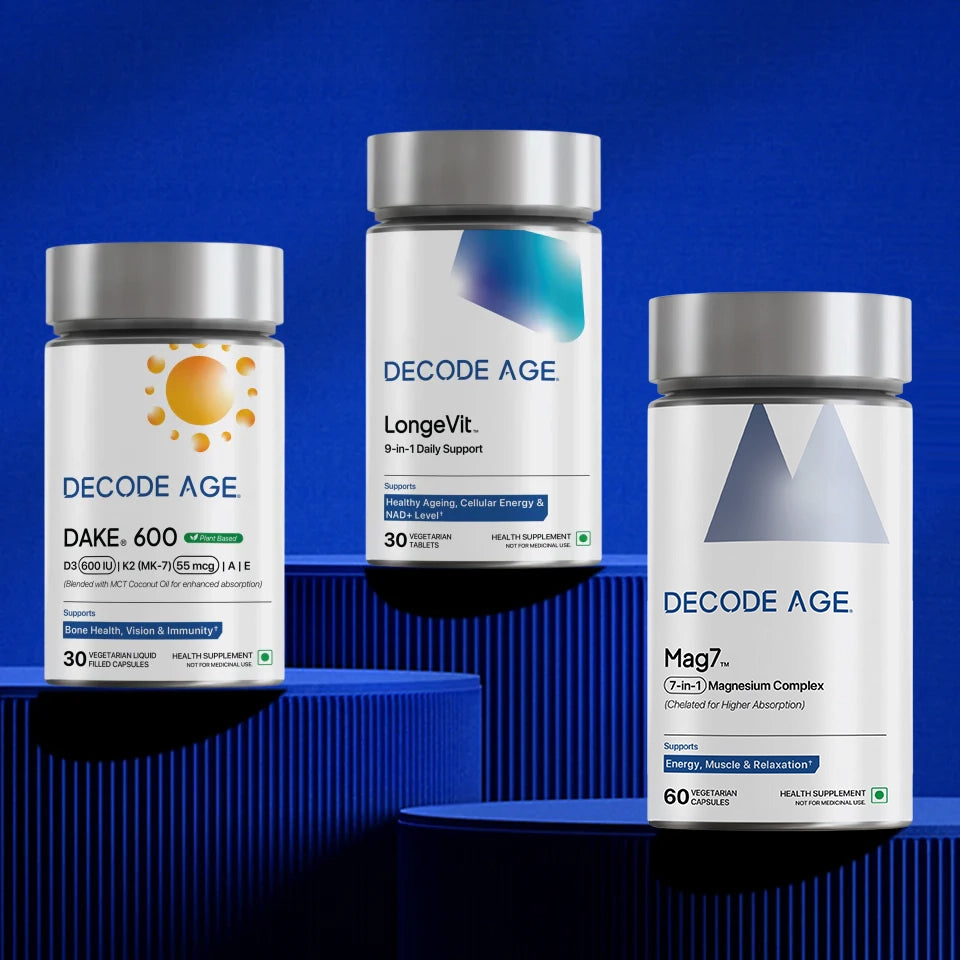
- DAKE: provides fat-soluble vitamins D3, A, K2, and E that contribute to antioxidant protection and immune support
2. Telomere Attrition
Our genetic material is stored in condensed structures called chromosomes. At the ends of these chromosomes are protective caps known as telomeres. Telomeres consist of repeated DNA sequences that act like protective buffers.
Every time a cell divides, telomeres shorten slightly. This shortening prevents damage to essential genetic regions during replication.
However, over time, telomeres reach a critical length, at which point cells can no longer divide effectively. When this happens, cells may stop dividing or undergo programmed cell death.
This progressive shortening of telomeres is known as telomere attrition, one of the most widely studied hallmarks of ageing.
What does it cause?
Shortened telomeres contribute to premature cell death, tissue degeneration, impaired regeneration, and increased susceptibility to age-related diseases.
How can it be repaired?
Maintaining cellular energy metabolism and reducing oxidative stress may support telomere health.
Supplements that help include:
- Trans-Resveratrol: researched for its role in activating cellular longevity pathways
- NMN: supports NAD+ levels, which are essential for cellular repair mechanisms
3. Epigenetic Alterations
Epigenetics refers to chemical modifications that regulate how genes are expressed without altering the DNA sequence itself.
These modifications include processes such as DNA methylation and histone modification, which determine whether specific genes are activated or silenced.
Over time, environmental exposures, diet, stress, and lifestyle factors can alter the epigenome, disrupting normal gene regulation.
What does it cause?
Since it alters the way our genes are expressed, it can cause cancer, silence important genes and lead to age-related disorders.
How can it be repaired?
Supplements like Ginger, AKG, L-Glycine, Curcumin, Apigenin and Ca-AKG may help manage our genes' activity and mitigate ageing effects.
4. Loss of Proteostasis
Proteostasis refers to the balance between protein production, folding, and degradation within cells. Proteins must fold into specific structures to function properly. When this process becomes disrupted, damaged or misfolded proteins accumulate.
Normally, cellular systems such as autophagy and proteasomes help remove these defective proteins. However, with ageing, these systems become less efficient.
What does it cause?
When the balance of building blocks (proteins) is off, the structure can collapse. This can lead to protein misfolding, cellular dysfunction, oxidative stress, age-related and neurodegenerative diseases like Alzheimer's, Parkinson's, and others.
How can it be repaired?
Supplements such as L-Glycine, Spermidine, and Fisetin can potentially aid in maintaining the balance between protein creation and removal, assisting in cell health.
5. Disabled Macroautophagy
Autophagy is the cell's natural recycling process that removes damaged cellular components and organelles.
Macroautophagy is a specialised pathway that helps clear cellular debris and maintain internal balance. As we age, autophagy becomes less efficient, allowing damaged cellular components to accumulate.
What does it cause?
If waste piles up in a city, it becomes a breeding ground for diseases. Similarly, compromised autophagy can lead to the accumulation of damaged proteins and organelles, leading to conditions like Alzheimer's, Parkinson's, and cancer.
How can it be repaired?
Supplements like Spermidine and NMN promote autophagy, helping to clear cellular junk.
6. Deregulated Nutrient-Sensing
The IGF-1 and insulin pathway is a mechanism by which our body detects nutrients and regulates lifespan. This pathway interacts with other systems that sense factors like amino acids and energy levels. Some of these systems operate oppositely, detecting the breakdown of molecules. Studies have shown that activating these pathways can lead to healthy ageing. Researchers have discovered that drugs like rapamycin, which imitate the effects of calorie restriction, can activate these pathways and enhance health and longevity in mice.
What does it cause?
When cells overact or underreact due to deregulated nutrient sensing, it loses their ability to sense and process nutrients, leading to obesity, diabetes, inflammation, hormonal imbalances and organ dysfunction.
How can it be repaired?
Supplements like NMN, Ginseng, Trans-Resveratrol, NAC and ALA may assist in correcting the cells' perception of nutrients, aiding metabolic health.
7. Mitochondrial Dysfunction
While we all know the popular statement “mitochondria is the powerhouse of the cell”, few are aware that it plays a significant role in the ageing process. In addition to producing ATP, the energy currency of our body, mitochondria also serve as sensors for cellular distress and are sensitive to the signs of cell death.
The involvement of mitochondria in controlling inflammation in response to metabolic changes (through mitochondrial sirtuins) has become more apparent ever since the study came into existence. Mitochondrial functioning has significant implications for the ageing process. Mitochondrial dysfunction brought on by various mechanisms accelerates ageing through different means (Trifunovic & Larsson, 2008)
What does it cause?
When mitochondrial function is disrupted, it can have widespread effects on various cellular processes and overall health and lead to metabolic as well as genetic disorders.
How can it be repaired?
Supplementation with CoQ10, Urolithin A, Ca-AKG and NMN is beneficial for mitochondrial health.
8. Cellular Senescence
Senescence is defined as a “pause” in the normal cell cycle, which is the consequence of an injury. The accumulated senescent cells are eliminated by the immune system, but this system is impaired in older tissues. These accumulated senescent cells begin to release inflammatory signals that damage our healthy tissues (van Deursen, 2014)
What does it cause?
These senescent cells not only eat up resources but also contribute to ageing, inflammation, tissue dysfunction and impaired wound healing. Over time, they can also release harmful substances
How can it be repaired?
Senolytic supplements like Fisetin and SeneVitcan potentially help eliminate senescent or 'zombie' cells, reducing inflammation and promoting healthier ageing.
9. Stem Cell Exhaustion
Stem cells are special cells in our body that can turn into different types of cells and help regenerate or repair damaged tissue. However, as we age, the ends of our chromosomes, called telomeres, can shorten, which causes the stem cells to lose their ability to regenerate and repair as effectively. This can lead to age-related diseases because our body is not able to maintain and repair themselves as well.
This effect applies to important bodily functions such as blood cell production and immune cell proliferation. When stem cells run out, the body and its tissues start to age. Recent studies suggest that rejuvenation therapies for stem cells might help reverse the effects of ageing and allow them to function better.
What does it cause?
When stem cell exhaustion occurs, it can have several implications and consequences, depending on the specific type of stem cells affected and the tissues they normally contribute to. Reduced tissue regeneration, accelerated ageing, organ dysfunction, and increased susceptibility to diseases are some of the consequences of stem cell exhaustion.
How can it be repaired?
Supplements like NMN and Ca-AKG may help rejuvenate the body's stem cell populations, promoting repair and renewal.
10. Altered Intracellular Communication
As we age, the way our cells communicate with each other can change. This communication usually happens through specific pathways called signalling pathways. These pathways can be improved to slow down the ageing process. Some examples of changes in cell signalling as we age include inflammation, changes in brain chemical signalling, and a decrease in the activity of a protein called IGF-1.
What does it cause?
When cell 'chit-chat' breaks down, it's like a team working without coordination, leading to inflammation, weakened immune response and impaired signal transduction.
How can it be repaired?
Supporting anti-inflammatory pathways with Trans-Resveratrol may help maintain healthy cellular communication.
11. Chronic Inflammation or Inflammaging
Inflammaging refers to the chronic low-grade inflammation that develops with age. This persistent inflammatory state is driven by immune system dysregulation and accumulated cellular damage.
What does it cause?
Chronic inflammation is associated with cardiovascular disease, diabetes, neurodegeneration, and autoimmune conditions.
What can help?
Supporting antioxidant and anti-inflammatory pathways may help manage chronic inflammation. Relevant supplements include Trans-Resveratrol
12. Dysbiosis (Microbiome Imbalance)
As we age, our gut microbiome - the bacteria and other microorganisms in our digestive system - can undergo significant changes. These changes, which can result in a loss of diversity among the microorganisms, are now detectable through new technologies that analyse the microbiome. This loss of diversity can contribute to inflammation in the body, particularly when combined with other age-related changes that can weaken our defences against harmful substances.
What does it cause?
Microbiome imbalance can contribute to inflammation, digestive disorders, metabolic dysfunction, and impaired immune function.
How can it be repaired?
Diving deep into your gut to understand it and take appropriate measures. The Decode Biome test is a specialised test for microbiome testing. Probiotic supplements and a fibre-rich diet can help maintain a healthy gut microbiome.
Ageing is a complex biological process driven by several interconnected mechanisms within our cells and tissues. The 12 hallmarks of ageing, first introduced in 2013 and expanded in 2023, provide a scientific framework that explains how these processes contribute to the gradual decline in cellular function.
By understanding mechanisms such as genomic instability, mitochondrial dysfunction, cellular senescence, chronic inflammation, and microbiome imbalance, researchers are gaining deeper insights into how ageing affects the body. More importantly, this knowledge is helping scientists explore ways to support healthspan, the years of life spent in good health.
As research progresses, the focus is shifting from simply treating age-related diseases to addressing the biological drivers of ageing itself.
Future Perspectives
Advances in longevity science are opening new possibilities for healthier ageing. Researchers are exploring targeted therapies, metabolic interventions, and lifestyle strategies that may influence the hallmarks of ageing.
Future progress will likely come from multidisciplinary collaboration, combining insights from genetics, cell biology, microbiome research, and artificial intelligence. At the same time, growing awareness of lifestyle and environmental factors will help shape preventive approaches to ageing.
Together, these developments are moving us closer to a future where ageing is better understood and where maintaining long-term health and vitality becomes increasingly achievable.
References
Belancio, V. P., Blask, D. E., Deininger, P., Hill, S. M., & Michal Jazwinski, S. (2014). The aging clock and circadian control of metabolism and genome stability. Frontiers in Genetics, 5(DEC). https://doi.org/10.3389/fgene.2014.00455
López-Otín, C., Blasco, M. A., Partridge, L., Serrano, M., & Kroemer, G. (2013). The hallmarks of aging. In Cell (Vol. 153, Issue 6, p. 1194). Elsevier B.V. https://doi.org/10.1016/j.cell.2013.05.039
Stephens, K. E., Miaskowski, C. A., Levine, J. D., Pullinger, C. R., & Aouizerat, B. E. (2013). Epigenetic Regulation and Measurement of Epigenetic Changes. Biological Research for Nursing, 15(4), 373–381. https://doi.org/10.1177/1099800412444785
Trifunovic, A., & Larsson, N. G. (2008). Mitochondrial dysfunction as a cause of ageing. Journal of Internal Medicine, 263(2), 167–178. https://doi.org/10.1111/j.1365-2796.2007.01905.x
Van Deursen, J. M. (2014). The role of senescent cells in ageing. In Nature (Vol. 509, Issue 7501, pp. 439–446). Nature Publishing Group. https://doi.org/10.1038/nature13193
Schmauck-Medina, T., Molière, A., Lautrup, S., Zhang, J., Chlopicki, S., Madsen, H., ... Fang, E. (2022). New hallmarks of ageing: A 2022 Copenhagen ageing meeting summary. Aging, 14(16), 17006-17026. doi: 10.18632/aging.204248


Leave a comment
All comments are moderated before being published.
This site is protected by hCaptcha and the hCaptcha Privacy Policy and Terms of Service apply.