






There is a kind of tiredness that sleep does not fix. You get seven or eight hours of rest, wake up, and still feel like your body is running on half a tank. Coffee might give you an immediate energy boost to power through at the moment, but the fog quickly returns. And by mid-afternoon, even simple tasks feel harder than they should.
This constant feeling of exhaustion is not simply a result of stress or poor motivation. In many cases, it reflects underlying biological factors, particularly nutritional gaps that affect how your body produces energy. Research shows that cellular energy production depends heavily on the availability of specific vitamins, minerals, and metabolic cofactors (Lopresti et al., 2020).
Understanding these processes is thus the first step toward identifying the best supplements for low energy and restoring steady vitality.
To Understand Fatigue, Start with How the Body Creates Energy
Every cell in your body produces energy inside structures called mitochondria. These cellular “power plants” convert nutrients from food into usable fuel in the form of ATP, the molecule that powers nearly every biological function.
For mitochondria to function efficiently, the body requires a steady supply of micronutrients. These include iron, magnesium, B vitamins, and vitamin D, all of which participate in energy metabolism. When any of these nutrients fall below optimal levels, the body’s energy system becomes less efficient.
Over time, this can lead to feeling continuously tired, difficulties concentrating, and lower physical endurance. Clinical studies confirm that micronutrient deficiencies are a significant but often overlooked cause of chronic tiredness (Huskisson et al., 2007).
Why Energy Levels Drop Over Time
Fatigue often develops gradually rather than suddenly. Several factors contribute to declining energy levels, including:
- Nutritional deficiencies
- Chronic stress
- Reduced nutrient absorption with age
- Hormonal changes
- Poor sleep quality
When these accumulate, the body’s ability to produce energy declines. Instead of feeling naturally alert, people rely increasingly on caffeine or sugar for temporary stimulation.
Which Nutrients Matter Most for Energy
Research shows that certain nutrients are closely connected to how energetic or tired you feel. When the body doesn’t get enough of these key vitamins and minerals, it can affect how well your cells produce energy. This supplement starter guide can help you understand where to begin and how to choose the right nutrients for your needs.
Here are some of the most important ones, along with how targeted supplementation can help, especially when choosing the Best supplements for low energy.
Iron: Helping Your Body Deliver Oxygen
Iron is important because it helps your blood carry oxygen throughout the body. It forms part of haemoglobin, the protein in red blood cells that delivers oxygen to your tissues.
When iron levels are low, your cells receive less oxygen. This makes it harder for them to produce energy, which leads to tiredness, reduced stamina, and even difficulty concentrating. Iron deficiency is one of the most common nutritional deficiencies and is strongly linked to persistent tiredness (Camaschella, 2015).
While iron itself is important, its effectiveness depends on the overall nutrient balance.
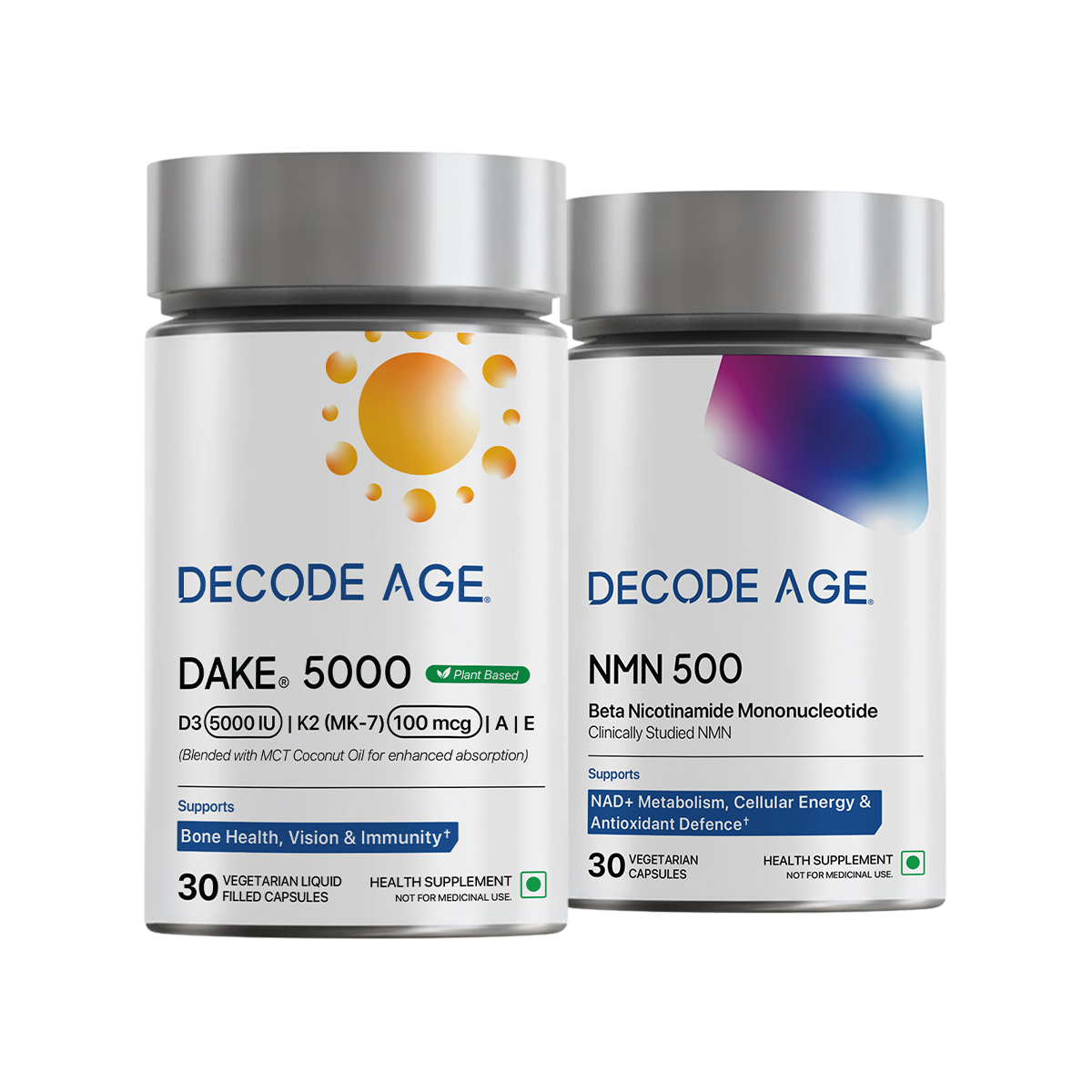
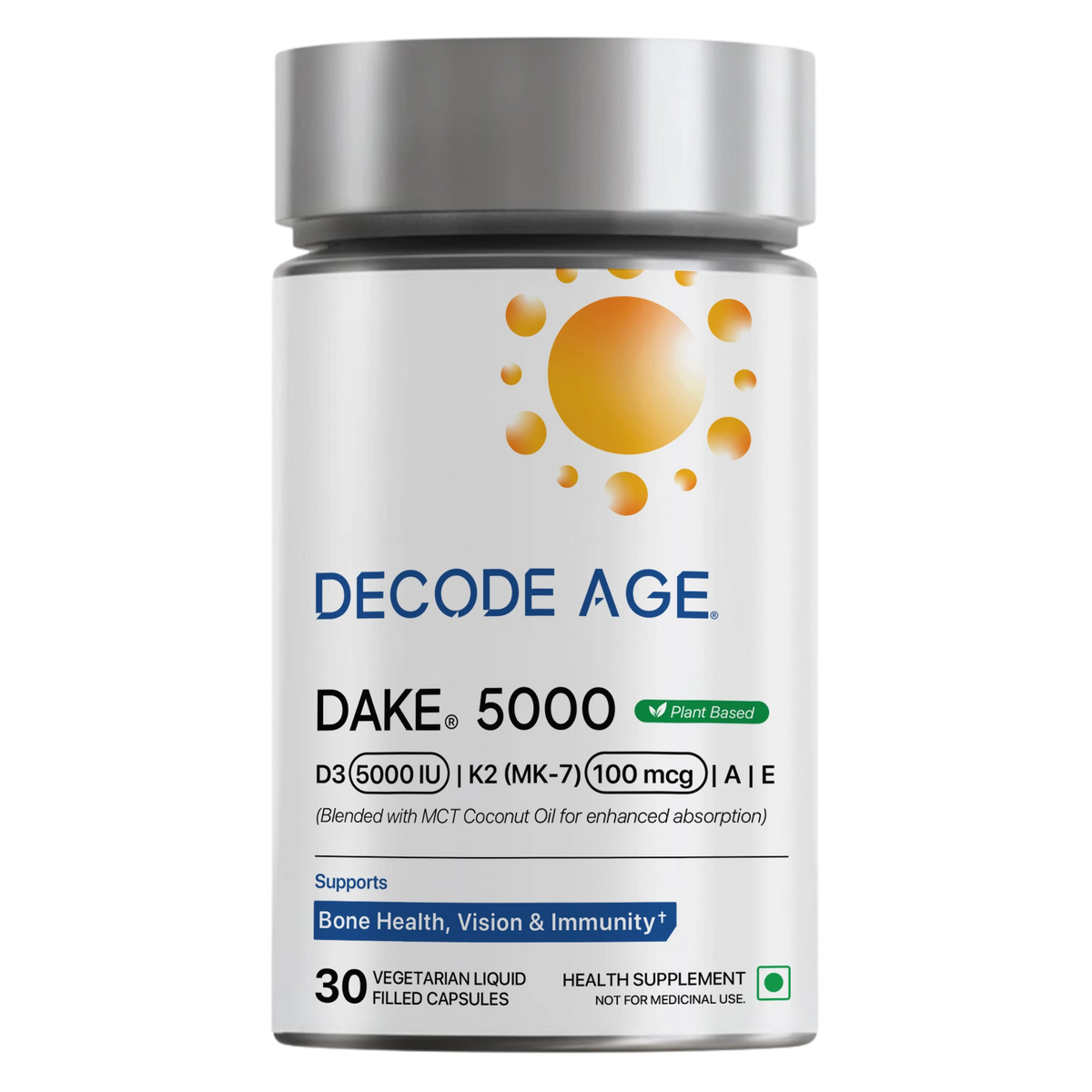
Quality supplements like the DAKE® multivitamin provide supportive nutrients such as vitamin D3, K2, A, and E, which contribute to overall physiological balance, immunity, and cellular health, making them a valuable addition when considering the best supplements for low energy.
Magnesium: Supporting Energy Production
Magnesium is another mineral that plays a key role in how the body produces energy. In fact, it is involved in hundreds of chemical reactions that keep the body functioning properly.
One of its most important roles is helping the body convert the food you eat into ATP. Magnesium also supports muscle relaxation, helps regulate the nervous system, and plays a role in managing stress.
Because stress can increase magnesium loss, many adults gradually develop lower levels without realising it. Research suggests that getting enough magnesium may help improve energy metabolism and reduce fatigue (Barbagallo & Dominguez, 2010).
Multi-source magnesium formulations like Mag7™ are created to support this need more effectively by combining different forms of magnesium that aid absorption, muscle recovery, and sleep quality.
B Vitamins (Including NMN): Turning Food into Energy
B vitamins are important for helping the body convert carbohydrates, fats, and proteins into usable energy.
Two of the most important ones are vitamin B12 and folate. These nutrients help produce healthy red blood cells and support the nervous system. When levels are too low, people may experience anaemia, weakness, and ongoing fatigue.
This is one reason why B complex for energy supplements are often recommended when people struggle with low vitality. Vitamin B12 deficiency is particularly common in older adults and people who follow vegetarian or vegan diets, since B12 is mainly found in animal-based foods (O’Leary & Samman, 2010).
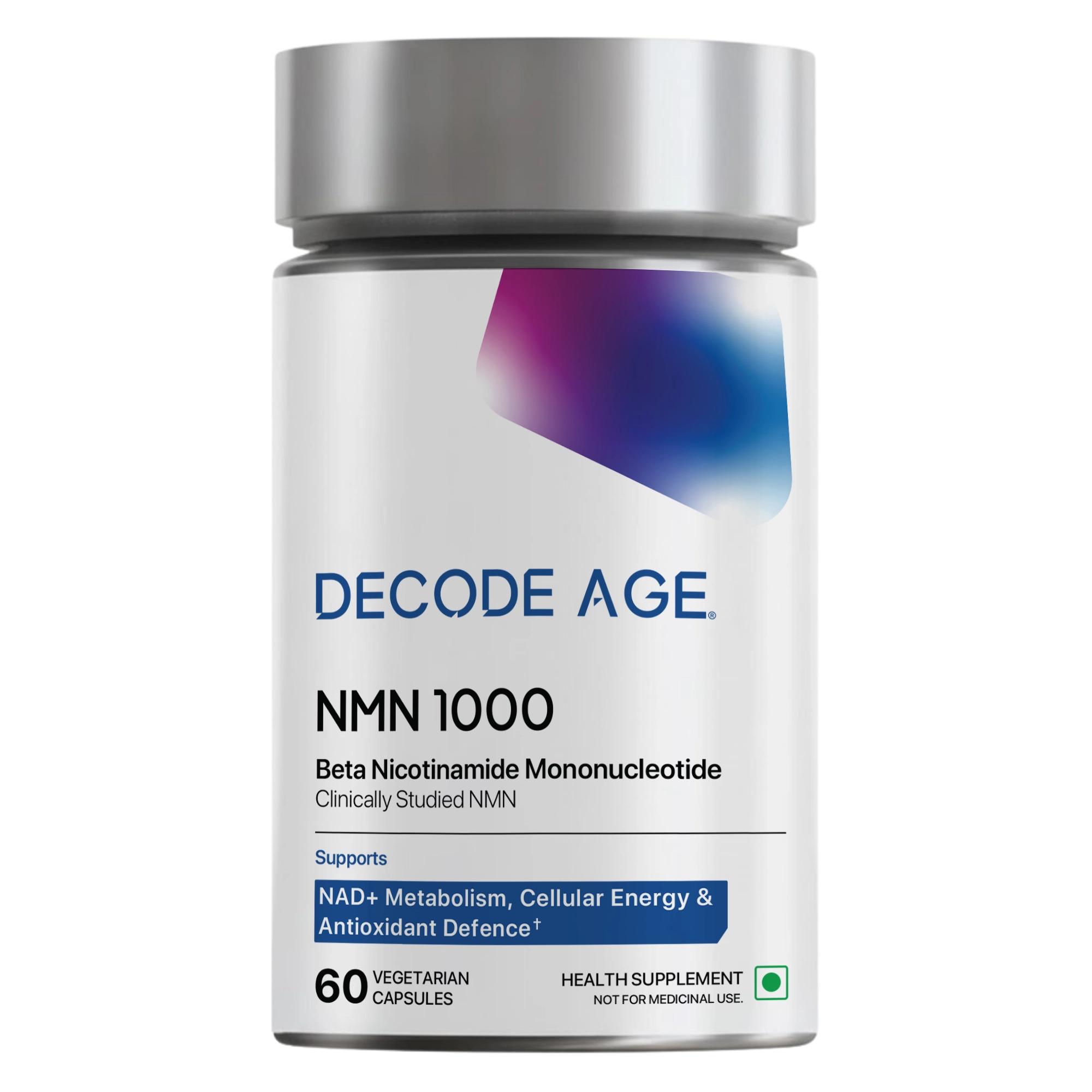
In addition to traditional B vitamins, NMN (Nicotinamide Mononucleotide), a derivative of vitamin B3, has emerged as a key compound in helping cells produce the necessary energy the body needs to function. NMN supports NAD+ levels, which play a central role in how cells generate energy and maintain metabolic function.
Advanced formulations like NMN500 and LongeVit™ combine NMN with supportive compounds such as CoQ10 and other metabolic nutrients to boost cell health and activity, physical endurance, and recovery. This makes them an important inclusion when evaluating the best supplements to treat low energy.
Vitamin D: Important for Energy and Muscle Function
Vitamin D is often linked with bone health, but it also plays an important role in muscle strength, immune health, and overall energy levels.
Low vitamin D levels have been linked to fatigue and reduced physical performance in several clinical studies (Nowak et al., 2016). Because many people spend long hours indoors and get limited sunlight, vitamin D deficiency has become increasingly common.
For this reason, vitamin D is now recognised as one of the key vitamins that particularly help people who experience low energy despite getting adequate sleep.
Decode Age’s advanced supplements like DAKE® (which includes vitamin D3 along with K2 and other fat-soluble vitamins) ensure better absorption and utilisation in the body. This holistic approach supports immunity, bone health, and energy balance, reinforcing its place among the best supplements available for calcium and bone health.
Nutrients That Support Energy and Vitality
The following table summarises key nutrients that support cellular energy production and overall vitality.
|
Nutrient |
Role in Energy Production |
Potential Benefits |
|
Iron |
Transports oxygen to cells |
Improves stamina and reduces fatigue |
|
Magnesium |
Supports ATP production |
Helps reduce tiredness and muscle fatigue |
|
Vitamin B12 |
Supports red blood cell formation |
Improves energy and cognitive function |
|
Folate |
Works with B12 in energy metabolism |
Supports cellular repair and vitality |
|
Vitamin D |
Supports muscle and immune function |
Improves overall energy and mood |
A Practical Approach to Restoring Energy
Improving energy levels rarely depends on a single intervention. Instead, it requires a combination of nutritional and lifestyle strategies that support the body’s biological systems.
Evidence-based approaches include:
- Maintaining a balanced, nutrient-rich diet
- Correcting micronutrient deficiencies through targeted supplementation
- Engaging in regular physical activity
- Managing stress effectively
- Prioritising consistent, high-quality sleep
When these factors are addressed together, the body’s natural energy systems begin to recover.
The Bottom Line: Your Energy Can Be Rebuilt
Constant fatigue is not something you simply have to live with. In many cases, it is your body’s way of signalling that something is missing, whether it is key nutrients, proper recovery, or balanced lifestyle habits.
By identifying nutritional gaps and supporting how your body naturally produces energy, it is possible to feel more energetic and resilient again. Energy is not just about getting through your to-do list. It plays a vital role in your physical health, mental clarity, and overall sense of well-being. And when your body has the right support, feeling energetic and balanced becomes much more achievable.
Frequently Asked Questions
-
What are the most common nutritional causes of low energy in adults?
Common causes of fatigue include deficiencies in iron (especially in menstruating women), vitamin B12, magnesium, and vitamin D. Another emerging factor is declining NAD⁺, which affects mitochondrial energy production and can lead to persistent fatigue that rest alone does not resolve.
-
How is NAD⁺ connected to energy levels, and why does it decline?
NAD⁺ is a coenzyme essential for converting nutrients into cellular energy (ATP). As we age, NAD⁺ levels naturally decline, reducing energy production and cellular repair. NMN supplements help replenish NAD⁺ by providing the body with a direct precursor for its production.
-
Is magnesium important for energy, and how do I know if I am deficient?
Yes. Magnesium supports reactions that convert glucose into cellular energy. Nearly half the population consumes too little. Signs of deficiency may include fatigue, muscle cramps, poor sleep, and irritability. A blood test and consultation with a healthcare provider can help assess magnesium status.
-
Can I take NMN and vitamin D together safely?
Yes. NMN and vitamin D3 support different aspects of energy and health. NMN helps cellular energy production through NAD⁺ pathways, while vitamin D supports muscle function, mood, and metabolism. They are complementary and commonly taken together, though medical advice is recommended if you have health conditions.
-
How long does it take for energy supplements to show results?
Results depend on the cause of fatigue. Correcting deficiencies like iron or B12 may improve energy within weeks. NMN-related benefits, such as improved energy balance, may be observed within a few weeks, while broader cellular and metabolic benefits typically build over months with consistent use.
Disclaimer: This content is for informational purposes only and is not intended to diagnose, treat, cure, or prevent any disease. Please consult your healthcare provider before making any health-related decisions or beginning any new supplementation regimen.

Leave a comment
All comments are moderated before being published.
This site is protected by hCaptcha and the hCaptcha Privacy Policy and Terms of Service apply.