



NMN, or β-Nicotinamide Mononucleotide, has gained attention for its potential to support cellular energy and combat the effects of ageing by boosting NAD⁺ levels. NAD⁺, a critical molecule for energy production and DNA repair, naturally declines as we age, contributing to reduced mitochondrial function and other age-related challenges. While NMN supplementation offers a promising way to restore NAD⁺, questions about its safety and side effects are essential for informed use.
Research shows that NMN is generally safe for healthy adults at doses ranging from 250–1,500 mg daily. Studies have reported no severe NMN side effects, with occasional mild gastrointestinal discomfort being the most common issue. Clinical trials have also confirmed its tolerability across various age groups, with no significant changes in vital markers like liver enzymes or kidney function. However, long-term safety remains under investigation, and individuals with existing health conditions or those pregnant or breastfeeding should consult a doctor before use.
This article explores NMN's safety profile, common side effects, and practical dosing guidelines, helping you make an informed decision about its role in your health routine.
sbb-itb-55c436e
What is NMN and Why Does It Matter?
NMN (β-Nicotinamide Mononucleotide) is a naturally occurring compound found in all mammalian tissues. It plays a crucial role as a direct precursor to NAD+ (Nicotinamide Adenine Dinucleotide), a coenzyme essential for maintaining cellular processes [1][6]. This connection becomes more important as NAD+ levels tend to decline with age.
Understanding this decline is key to recognising why NMN supplementation has gained attention. NAD⁺ depletion is observed in tissues like skeletal muscles, the brain, and fat cells, making NMN an appealing option for supporting cellular health as we age and exploring the benefits of NMN supplements for anti-ageing [1][6].
How NMN Boosts NAD⁺ Levels
Within cells, the enzyme nicotinamide mononucleotide adenylyltransferase (NMNAT) converts NMN into NAD⁺. This process bypasses a bottleneck step typically regulated by NAMPT, making it an efficient pathway [1][6]. NAD⁺, once formed, plays several critical roles:
- Energy Production: Supports glycolysis and mitochondrial oxidative phosphorylation.
- DNA Repair: Activates poly ADP-ribose polymerases (PARPs) to fix damaged DNA.
- Gene Regulation: Influences sirtuins, proteins associated with ageing and longevity.
The efficiency of this conversion has been supported by clinical studies. For example, a 2023 randomised controlled trial published in GeroScience involved 80 healthy middle-aged adults (40–65 years) taking daily NMN doses of 300 mg, 600 mg, or 900 mg. By Day 30, all NMN groups showed a significant rise in blood NAD⁺ levels (p ≤ 0.001). Furthermore, the 600 mg and 900 mg groups demonstrated improved physical performance, such as covering longer distances during a six-minute walk test, compared to the placebo group [2].
### NMN vs Other NAD⁺ Precursors: What Sets It Apart?
NMN is one of several compounds that can increase NAD⁺ levels, but each precursor follows a unique biochemical pathway and has distinct characteristics:
| Precursor | Pathway | Key Points |
|---|---|---|
| NMN | Salvage Pathway | Skips the NAMPT bottleneck; no flushing; safe up to 1,250 mg/day [1][6] |
| Nicotinamide (NAM) | Salvage Pathway | Depends on NAMPT; may inhibit sirtuins at high doses; tolerable up to 900 mg/day [1][6] |
| Nicotinic Acid (Niacin/NA) | Preiss-Handler Pathway | Can cause skin flushing; tolerable limit as low as 10 mg/day [1] |
| Nicotinamide Riboside (NR) | Conversion to NMN | Requires NRK1/2 enzymes to become NMN; generally well-tolerated [1] |
The safety profile of NMN stands out among these options. A study in Scientific Reports highlighted this:
"NMN, the same NAD⁺ precursor as NAM and NA, can be administered orally to humans at doses of 1,250 mg once daily for up to 4 weeks without causing hepatotoxicity and vasodilative flushing." [1]
This distinction underscores why NMN is often considered a promising option for supporting NAD⁺ levels effectively and safely.
What Research Says About NMN Safety
| Study | Duration | Participants | Dose Tested | Key Safety Finding |
|---|---|---|---|---|
| Irie et al. | Single Dose | Healthy Men | Up to 500 mg | Safe and well tolerated |
| Fukamizu et al. | 4 Weeks | Healthy Adults | Up to 1,250 mg/day | No serious adverse events reported |
| Yi et al. | 60 Days | Healthy Adults | Up to 900 mg/day | Good tolerability across all dose groups |
| Igarashi et al. | 12 Weeks | Older Adults (65+) | 250 mg/day | No clinically significant safety concerns |
| Yoshino et al. | 10 Weeks | Prediabetic Postmenopausal Women | 250 mg/day | Well tolerated with no serious adverse events |
NMN Safety: Human Clinical Trials at a Glance
Human trials have consistently demonstrated that NMN is safe for use. Studies involving healthy adults across different age groups have reported no serious adverse effects, even at doses ranging from 250 mg to 1,500 mg per day.
Key Findings from Human Trials
Research has repeatedly confirmed NMN's safety across various populations. For instance, a multicentre trial conducted in Pune with 80 participants aged 40–65 found that doses up to 900 mg daily over 60 days caused no adverse effects. Similarly, a study in Tokyo involving 42 men aged 65 and older who took 250 mg daily for 12 weeks reported no safety concerns. [2][4]
More recently, a study published in May 2025 in Fundamental Toxicological Sciences by Ryota Nakajima and colleagues at NOMON Co. Ltd tested daily doses of 750 mg and 1,500 mg on 30 healthy Japanese volunteers aged 20–64 over four weeks. No participants dropped out, and no clinical or laboratory abnormalities were observed, further supporting NMN's safety even at higher doses. [7]
| Study Duration | Participant Group | Max Dose Tested | Primary Safety Finding |
|---|---|---|---|
| Single dose | 10 healthy men | 500 mg | Safe; no significant clinical symptoms [8] |
| 4 weeks | 31 healthy adults | 1,250 mg | Well-tolerated; no severe adverse events [1] |
| 4 weeks | 30 healthy adults | 1,500 mg | Safe; no problematic test result changes [7] |
| 60 days | 80 healthy adults (India) | 900 mg | Safe; no treatment-related adverse events [2] |
| 12 weeks | 42 older men (65+) | 250 mg | Well-tolerated; no deleterious effects [4] |
These findings provide a robust foundation for understanding NMN's safety and pave the way for exploring its potential side effects and choosing the best longevity supplement for your needs.
Common NMN Side Effects
One of the most encouraging aspects of NMN research is the rarity of side effects. Across trials, side effects were minimal and comparable to those seen in placebo groups. Occasionally, mild gastrointestinal discomfort was reported, but these cases were isolated. [6]
Notably, NMN does not trigger vasodilative flushing, a common side effect of nicotinic acid, nor does it pose the hepatotoxicity risks associated with high doses of nicotinamide. Understanding the differences between NMN, NR, and Niacin is key to choosing the right NAD+ precursor. [1][2]
Clinical and Lab Safety Markers
Beyond observing symptoms, clinical and laboratory markers have consistently affirmed NMN's safety. Parameters such as liver enzyme levels, kidney function, blood counts, fasting glucose, lipid profiles, blood pressure, and body composition remained stable across all studies. All these markers stayed within normal ranges. [1][4][2]
As highlighted in Scientific Reports:
"Our results indicate that β-NMN is safe and well-tolerated in healthy adult men and women at an oral dose of 1,250 mg once daily for up to 4 weeks." [1]
Moreover, body composition metrics, including BMI, skeletal muscle mass, and body fat percentage, showed no adverse changes. Some studies even hinted at potential improvements in muscle mass with continued NMN use. [4][6]
What Animal Studies Tell Us About NMN Safety
Animal studies provide valuable insights into the safety profile of NMN, particularly when administered at doses much higher than those tested in humans.
Long-Term Toxicity in Animal Models
Research on animals has consistently shown promising results regarding NMN's safety. For instance, in a study involving Sprague-Dawley rats, NMN-C® was administered at doses of 375, 750, and 1,500 mg/kg/day over a 90-day period, followed by a 28-day recovery phase. The results showed no significant changes in body weight, food intake, biochemistry, or organ health, leading to a NOAEL (No Observed Adverse Effect Level) of at least 1,500 mg/kg/day [9]. Additionally, no adverse effects or fatalities were observed when rats received a single oral dose of 2,666 mg/kg [9].
In another study, C57BL/6N mice were treated with NMN at doses of 100 and 300 mg/kg/day for 12 months. The findings highlighted NMN's ability to counteract age-related physical decline without significant side effects [2]. Furthermore, genotoxicity tests, including bacterial reverse mutation (Ames) assays, confirmed that NMN does not induce genetic mutations or damage [9] [1].
| Study Type | Animal Model | Dosage | Duration | Key Safety Outcome |
|---|---|---|---|---|
| Acute Toxicity | Sprague-Dawley Rats | 2,666 mg/kg | Single dose | No mortality or adverse signs [9] |
| Sub-chronic Toxicity | Sprague-Dawley Rats | Up to 1,500 mg/kg/day | 90 days | NOAEL established at ≥1,500 mg/kg/day [9] |
| Long-term Safety | C57BL/6N Mice | 100–300 mg/kg/day | 12 months | Well tolerated; minimal to no side effects [1] [2] |
| Subacute Toxicity | Beagle Dogs | 1,340 mg/day | 14 days | Mild increases in creatinine and uric acid [1] [10] |
These studies suggest that NMN is safe at the recommended doses, although extremely high doses may reveal mild adverse effects, which require further investigation.
NMN Dosing and Safety in Specific Groups
Typical Dosing Ranges
Studies on humans have shown that NMN is safe within a daily range of 250–1,500 mg, with 600 mg per day emerging as the most effective for clinical benefits. A 60-day multicentre trial demonstrated that while all doses increased blood NAD⁺ levels, the 600 mg dose provided the greatest improvements in both NAD⁺ levels and physical performance [2]:
"NMN supplementation increases blood NAD concentrations and is safe and well tolerated with oral dosing up to 900 mg NMN daily. Clinical efficacy expressed by blood NAD concentration and physical performance reaches highest at a dose of 600 mg daily oral intake." - GeroScience [2]
For most healthy individuals, starting with a daily dose of 300–600 mg is both practical and supported by evidence.
| Daily Dose | Duration | Key Finding |
|---|---|---|
| 250 mg | 12 weeks | Increased whole blood NAD⁺ significantly; no abnormalities [6] |
| 300–900 mg | 60 days | 600 mg optimal for NAD⁺ levels and physical performance [2] |
| 1,250 mg | 4 weeks | Safe and well-tolerated with no severe side effects [1] |
| 1,500 mg | 4 weeks | Safe; elevated blood NAD⁺ levels [7] |
This data provides a clear foundation for understanding NMN's dosing and its safety profile across various groups.
Safety in Special Populations
NMN's effects and safety can differ depending on the population. Middle-aged and older adults (40–65 years) are the most extensively studied group, with doses ranging from 250–900 mg/day proving to be safe. These doses have also been linked to better walking endurance and enhanced NAD⁺ metabolism [2][3].
For pregnant or breastfeeding women, no human safety data exists, as this group has been excluded from all major clinical trials [1][2]. Therefore, NMN supplementation is not recommended during pregnancy or lactation.
In the case of individuals with chronic conditions like diabetes, hypertension, heart disease, or kidney disorders, evidence remains limited. However, some early findings suggest potential vascular benefits, such as reduced arterial stiffness, particularly for individuals with a high BMI or elevated blood glucose levels [3]. Still, anyone with a pre-existing health condition should consult their doctor before considering NMN.
NMN Use in the Indian Context
In India, clinical research has further supported these dosing recommendations. A significant trial conducted in Pune (CTRI/2021/03/032421) involved 80 healthy adults aged 40–65. Participants were given daily doses of 300 mg, 600 mg, or 900 mg for 60 days. All participants completed the study without any protocol violations, and 600 mg was identified as the most effective dose, with no adverse effects reported [2].
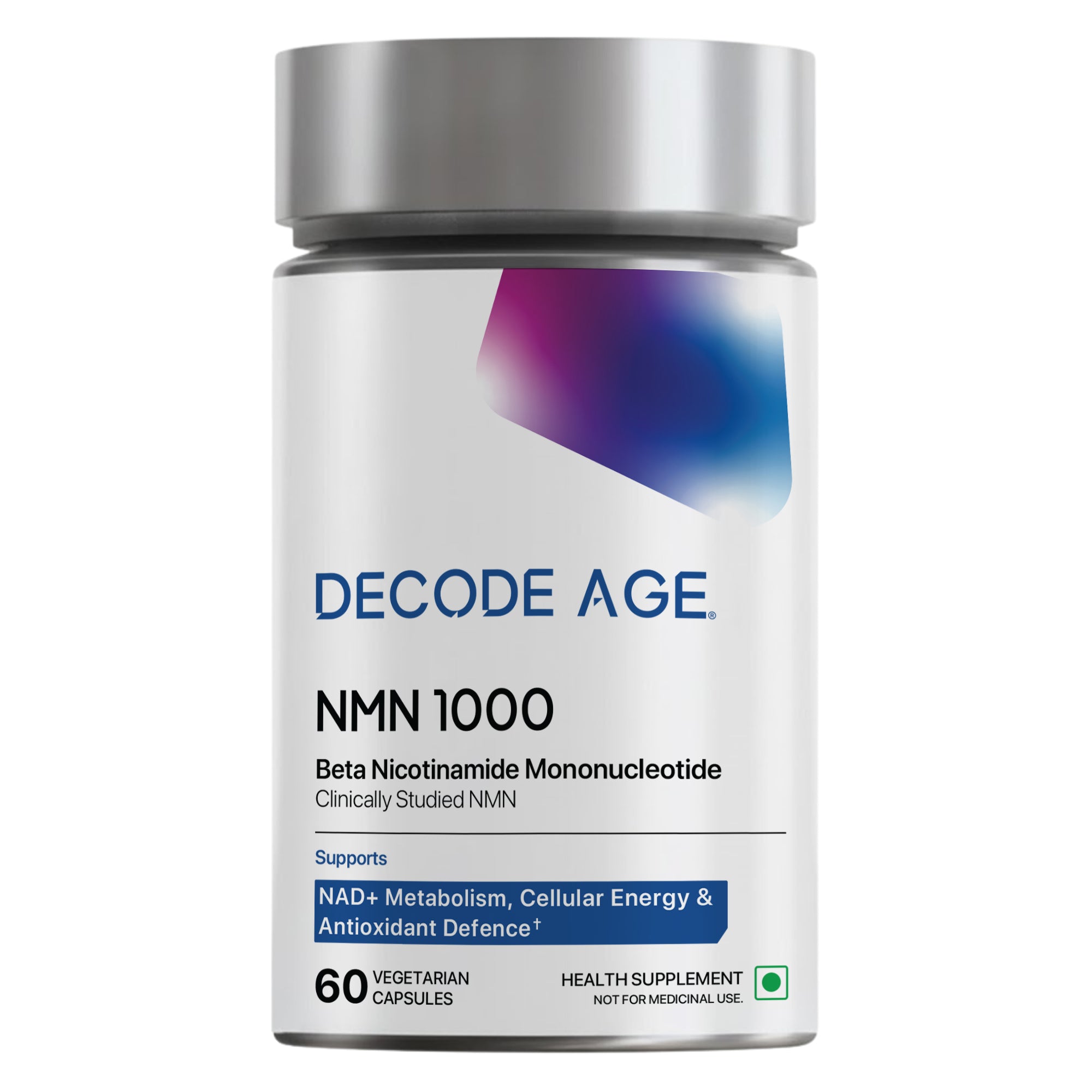
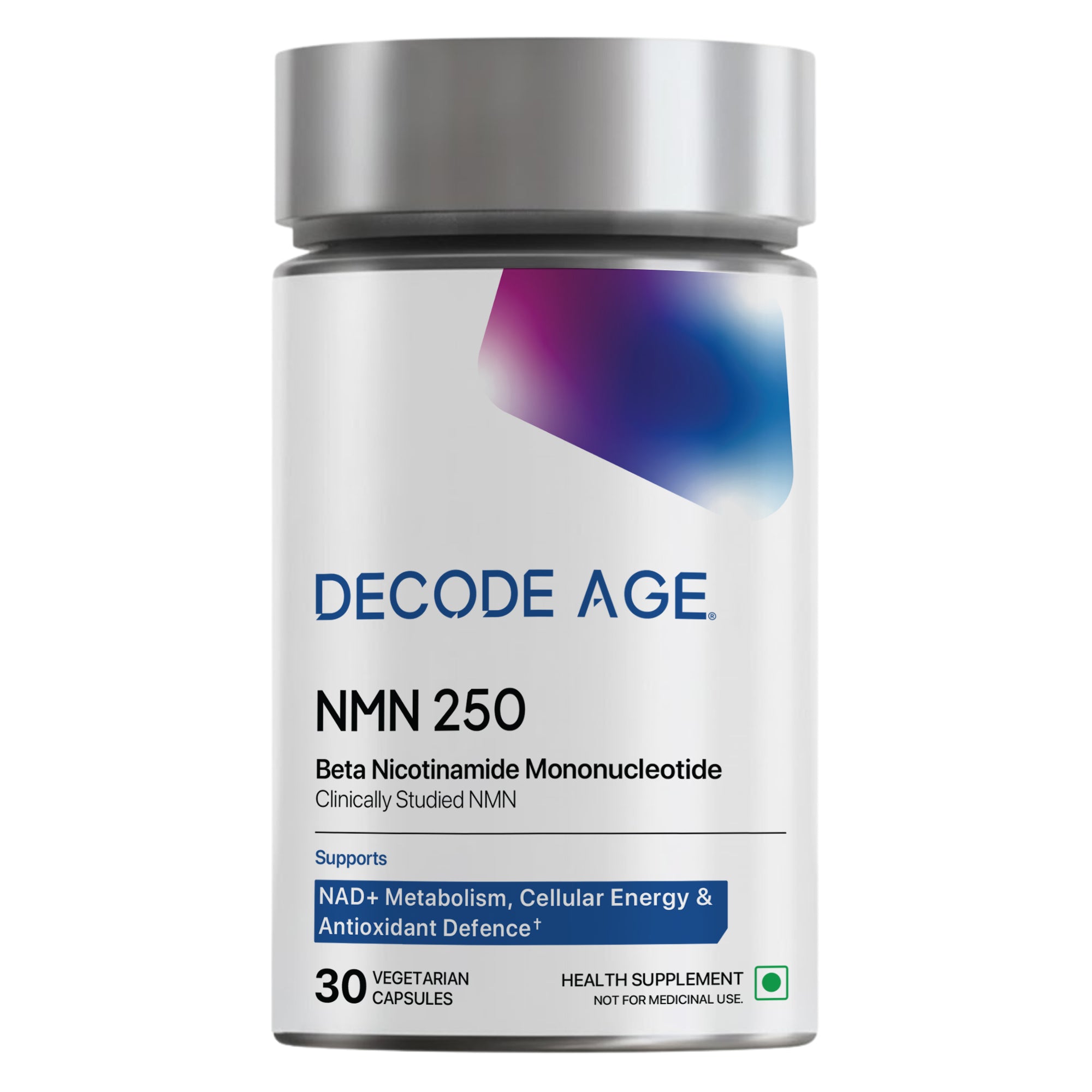
For Indian consumers, choosing NMN products from trusted sources is crucial. Products from GMP-certified and third-party-tested manufacturers, like those from Decode Age, which use FDA-registered ingredients, offer added safety. Ensuring transparent ingredient sourcing and compliance with regulatory standards is a simple yet effective way to make informed choices.
Decode Age’s Uthever® NMN is made with a clinically studied branded NMN ingredient that has been evaluated in human trials for safety and tolerability. In a randomised, double-blind, placebo-controlled study, Uthever® NMN was reported to be well tolerated in middle-aged and older adults, with no clinically meaningful safety concerns observed during the study period. This gives consumers added confidence when choosing an NMN supplement backed by ingredient-level research, purity standards, and transparent quality controls.
How to Use NMN Safely: Practical Guidelines
To ensure safe and effective use of NMN, follow these practical steps based on the safety profiles discussed earlier.
Is NMN Right for You?
Before starting NMN, it’s important to assess your health. If you’re on prescription medications for conditions like blood sugar, blood pressure, or cholesterol, consult your doctor first. NMN can interact with the metabolic pathways these medications target [5][12][13]. Additionally, avoid NMN if you’re pregnant, breastfeeding, or managing active cancer, as safety data for these conditions is limited [5][12][13].
It’s also wise to check your liver and kidney function before beginning supplementation. While clinical trials suggest NMN doesn’t negatively impact these markers [1][2][12], it’s better to start with a clear understanding of your baseline health. When choosing an NMN product, ensure it has a third-party Certificate of Analysis (COA) confirming at least 99% purity and screening for heavy metals like lead, arsenic, and mercury [12][13]. Decode Age’s NMN, for example, is made with FDA-registered ingredients and follows GMP-certified manufacturing standards to ensure quality.
Once you start using NMN, keep track of your health and watch for any side effects.
Monitoring for Side Effects
Keep a daily record of how you feel, noting changes in energy, digestion, sleep, and mood [1]. Some people may experience mild reactions like nausea, loose stools, or headaches during the first week [5][13].
For a more detailed evaluation, you can periodically monitor key health markers, as shown below:
| Monitoring Category | What to Track |
|---|---|
| Blood Chemistry | Fasting glucose, HbA1c, AST, ALT, creatinine, uric acid |
| Vital Signs | Blood pressure, pulse rate |
| Physical Performance | Walking endurance (e.g., six-minute walk test), gait speed |
| Subjective Health | Digestive comfort, headache frequency, energy levels, skin condition |
If you notice any severe reactions like a rash, itching, or swelling, stop using NMN immediately and consult a doctor [5].
Adjusting Dosage and Duration
Start with a low dose and gradually increase it to find what works best for you. Begin with 250 mg daily for the first week, then raise it to 500–600 mg [12][13]. Taking NMN in the morning with breakfast can help align with your body’s circadian rhythms and may reduce stomach discomfort [12].
Research suggests that 600 mg daily is effective for maintaining NAD⁺ levels [14][2]. While doses as high as 1,250 mg have been shown to be safe for short-term use (up to four weeks) [1], sticking to 600 mg is recommended for long-term supplementation.
Keep in mind that blood NAD⁺ levels return to baseline within four weeks of stopping NMN [2]. For this reason, NMN should be viewed as a long-term addition to your routine rather than a temporary fix. If you have a higher BMI or elevated fasting blood glucose, NMN may help manage obesity and provide additional benefits for vascular function in these cases [11].
Conclusion
The evidence we have so far paints a positive picture. Numerous human clinical trials have shown that NMN is safe and well-tolerated in healthy adults, with no major adverse effects on blood chemistry, organ function, or vital signs when taken in doses ranging from 250 mg to 1,500 mg per day [1][2][7]. A study published in Scientific Reports summarised this effectively:
"Our results indicate that β-NMN is safe and well-tolerated in healthy adult men and women when administered at an oral dose of 1,250 mg once daily for up to 4 weeks." [1]
That said, short-term safety doesn’t necessarily guarantee long-term assurance. The longest human studies to date span only 12 weeks [15], leaving room for further investigation into extended use, interactions with medications, and its effects on specific groups such as individuals with active cancer, pregnant women, or those on complex medication regimens. Experts agree that more research is needed to confirm NMN's long-term safety and effectiveness [6].
For most healthy individuals, a daily dose of 600 mg seems to strike the right balance. Research suggests this amount effectively raises NAD⁺ levels and supports physical performance without requiring higher doses that may deliver diminishing benefits [2]. A good starting point is 250 mg, taken in the morning with food, while paying attention to how your body responds.
NMN holds potential as a supplement for longevity when incorporated into a broader, well-researched health plan. However, it’s crucial to consult with your doctor before adding any supplement to your routine, particularly if you have existing health conditions. Think of NMN as part of a long-term strategy rather than a quick solution, ensuring it complements your overall approach to health and wellness.
FAQs
Can NMN affect sleep if I take it late in the day?
Research does not indicate that NMN interferes with sleep. On the contrary, evidence points to its potential role in supporting healthy sleep cycles. For instance, a study involving older adults observed that taking NMN in the afternoon helped reduce daytime fatigue while enhancing overall sleep quality. Clinical trials have also shown that NMN is typically well-tolerated, with no consistent reports of sleep-related issues across different NMN dosage levels.
Should I get any blood tests done before starting NMN?
Current findings suggest that NMN is safe for most healthy adults, and no mandatory blood tests are needed before beginning supplementation. That said, clinical trials typically use baseline tests, such as hematological and biochemical panels, to track participants' health during the study. For personalised advice, it's wise to consult a healthcare professional who can review your medical history and determine if any preliminary tests might be beneficial for you.
Can NMN interact with my regular medicines?
Current studies have not pinpointed any direct interactions between NMN and commonly used medications, but the available data is still quite limited. Since NMN influences metabolic pathways and the production of NAD+, it’s crucial to exercise caution. For instance, if you have conditions such as diabetes, NMN might affect glucose metabolism. To ensure your safety, always consult a healthcare professional before incorporating NMN into your routine, particularly if you are already taking prescription medicines.





Leave a comment
All comments are moderated before being published.
This site is protected by hCaptcha and the hCaptcha Privacy Policy and Terms of Service apply.