



No single ingredient deserves to be called a proven longevity supplement. A supplement may help correct a deficiency, change a recognised risk marker or support a specific function without extending lifespan or delaying ageing itself.
Our ranking reflects the relevance and consistency of human research for defined targets. We do not rank ingredients by popularity, animal findings or their association with an ageing pathway. For a broader category overview, see our guide to anti-ageing supplements and how to evaluate them.
|
Ingredient |
Main Research Target |
Our Evidence Assessment |
Central Limitation |
|---|---|---|---|
|
Omega-3 |
Triglycerides and cardiovascular measures |
Stronger for elevated triglycerides |
Results depend on formulation, dose and population |
|
Vitamin D |
Vitamin D status and deficiency-related outcomes |
Stronger for correcting low status |
Broad benefits are less clear without deficiency |
|
Berberine |
Glucose and lipid markers |
Moderate and population-specific |
Product quality, tolerability and interactions matter |
|
Cardiovascular function and muscle symptoms |
Conditional |
Findings may not apply to healthy adults |
|
|
Curcumin |
Pain, function and inflammatory markers |
Moderate but inconsistent |
Formulations differ substantially |
|
Metabolic and inflammatory measures |
Mixed |
Results vary across studies and populations |
|
|
NMN and NR |
NAD-related biomarkers and function |
Biomarker-led |
Functional relevance remains uncertain |
|
Cognition and exploratory measures |
Preliminary |
Controlled human evidence is limited |
|
|
L-theanine |
Stress, attention and sleep |
Narrow |
Little evidence connects it to long-term healthspan |
|
Collagen peptides |
Joint symptoms and physical function |
Preliminary to moderate |
Products and populations vary; long-term healthspan relevance is unclear |
|
Muscle strength and endurance |
Promising but limited |
Studies are short and broader physical-function benefits remain uncertain |
At-a-glance evidence labels
-
Stronger for a defined target: Human evidence supports a specific use in an identifiable population.
-
Moderate or conditional: Findings may be useful but depend heavily on baseline status, formulation or indication.
-
Mixed: Human studies do not point consistently in the same direction.
-
Preliminary or mechanistic: The case relies mainly on pathways, observational associations, exploratory biomarkers or early trials.
What the ranking does not mean
A higher position does not establish an ideal dose for everyone, guarantee meaningful long-term benefit or rule out side effects. It certainly does not turn a supplement into a replacement for diagnosis or prescribed treatment.
A biomarker moving in a favourable direction is not automatically proof of slower ageing. We describe science-backed longevity supplements according to the outcomes studied, not the broader outcomes people may hope they deliver.
How to Judge Human Evidence for Healthspan Rather Than Hype
Lifespan describes how long a person lives. Healthspan generally refers to the period lived with preserved health and function. A short study showing movement in one laboratory measure cannot establish either outcome.
A mechanism proposes how an intervention might work. A biomarker is a measurable biological characteristic. A functional outcome captures an ability or symptom relevant to daily life, while a clinical outcome concerns disease progression, medical events or survival.
These categories should not be treated as interchangeable. Triglycerides, glucose measures and blood pressure can inform clinical risk management. Inflammatory markers and NAD-related metabolites may also be studied, but their meaning depends on context. Strength, cognition, mobility, sleep and pain tell us something different again.
Our editorial approach gives greater weight to controlled human research and evidence reviews. We then examine who was studied, which formulation was used, how long the intervention lasted and whether the measured outcome mattered outside the laboratory.
The human-evidence hierarchy
From most clinically meaningful to most speculative:
-
Clinical outcomes: Medical events, disease progression, hospitalisation or mortality.
-
Functional outcomes: Mobility, strength, cognition, sleep, pain or another aspect of daily function.
-
Recognised risk markers: Measures used in clinical assessment, interpreted within the proper context.
-
Exploratory biomarkers: Biological changes whose connection to meaningful health outcomes is not yet settled.
-
Mechanistic and preclinical findings: Evidence from pathways, cells or animals that can generate hypotheses but cannot prove human benefit.
Why one positive trial is not enough
We look beyond the headline. Relevant questions include whether the trial had an appropriate comparison group, whether participants began with a deficiency or health condition, and whether independent research produced similar findings.
Population matters just as much as the ingredient. A result in people with a diagnosed metabolic condition cannot automatically be applied to healthy adults. Nor does a study’s chosen dose become a universal recommendation.
Stronger Evidence for Defined Targets: Omega-3, Vitamin D and Berberine
These ingredients rank comparatively well only for specific uses. We would not present any of them as a general life-extension intervention.
Omega-3: strongest for managing elevated triglycerides
Omega-3 research is most clinically relevant when triglycerides are elevated. The evidence base includes different formulations and populations, so ordinary fish-oil products should not be assumed to produce the same results as concentrated or prescription formulations.
Product composition, purity, oxidation and the balance of EPA and DHA can affect interpretation. Baseline cardiovascular risk and concurrent treatment also matter. We therefore view omega-3 as a targeted option to discuss in the context of lipid management—not an automatic addition to every healthy-ageing routine.
Vitamin D: clear for low status, weaker as a universal strategy
Vitamin D supplementation has a straightforward purpose when testing identifies low vitamin D status or a clinician recognises a substantial deficiency risk. The case becomes less certain when a person already has adequate status and expects broad protection from age-related disease.
Dose should reflect the baseline result, diet, medical history and intended goal. More is not necessarily better, particularly where kidney health or calcium regulation is a concern.
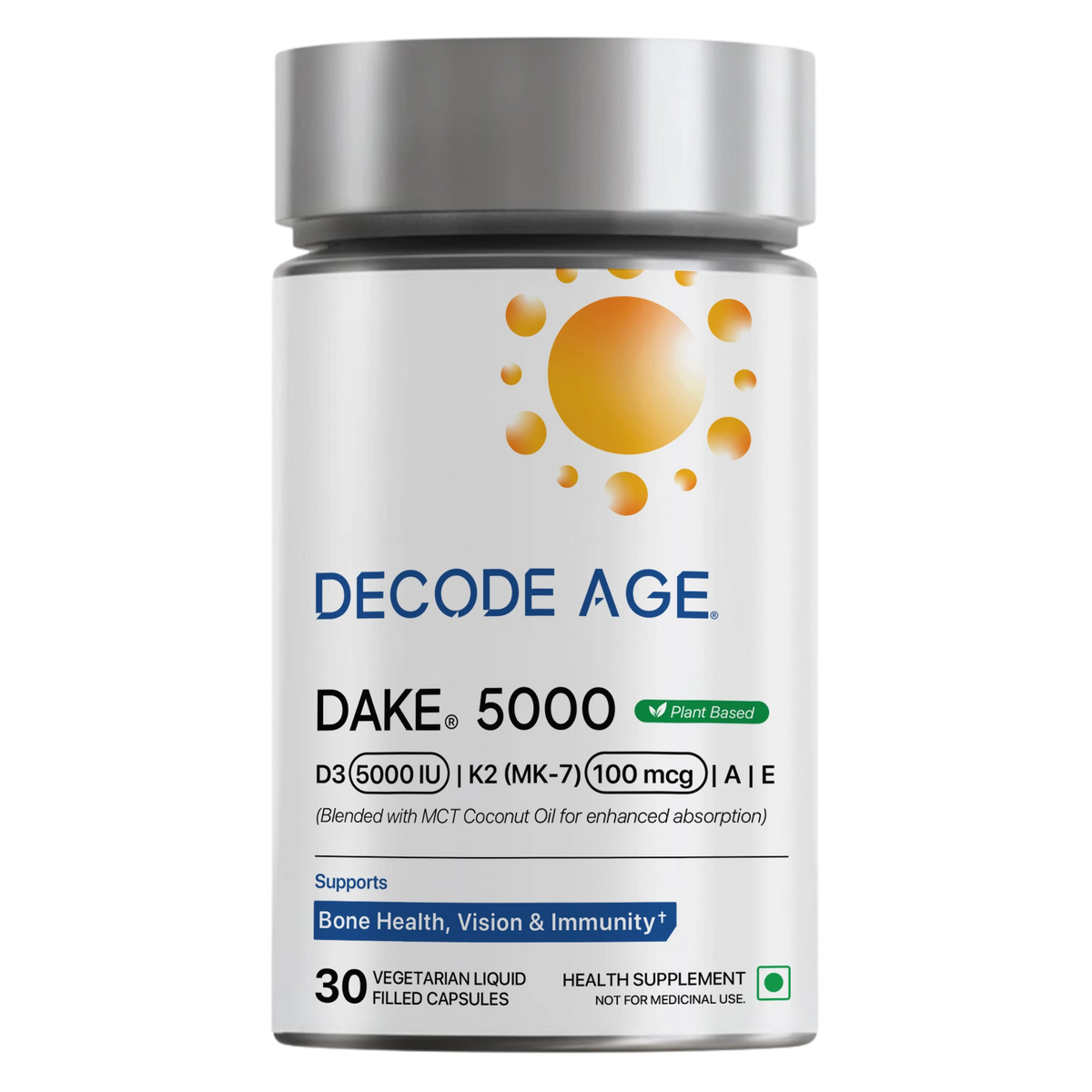
Someone considering a higher-strength product such as DAKE Vitamin D3 5000 IU with K2 should first confirm that the strength matches an identified need. Our guide to when to take vitamin D covers additional practical considerations.
Berberine: promising evidence for metabolic markers
Berberine has been studied mainly in people with glucose-regulation problems, metabolic conditions or abnormal lipid markers. Some human research reports favourable changes, but findings should remain tied to those populations and outcomes.
The limitations are practical as well as scientific. Products can differ, digestive side effects may occur, and berberine can interact with medicines, including treatments that affect blood glucose. We regard it as a possible adjunct for selected people under appropriate guidance, not a substitute for diabetes or cardiovascular care.
Conditional or Inconsistent Evidence: CoQ10 and Curcumin
CoQ10 and curcumin may be relevant in defined circumstances, but their findings do not support universal anti-ageing claims.
CoQ10: potentially relevant in selected clinical contexts
CoQ10 has been studied in cardiovascular conditions, physical function and muscle symptoms associated with statin use. Some findings are encouraging, yet results vary by indication and formulation.
Evidence from a clinical population should not be extended automatically to healthy adults. Muscle pain also has many possible causes, so adding CoQ10 without reviewing the underlying problem may delay a more useful assessment.
Curcumin: useful signals with substantial variation
Curcumin research covers joint symptoms, physical function, metabolic measures and inflammatory markers. Interpretation is difficult because products use different formulations, some designed to alter absorption.
Possible improvements in pain or function may be worthwhile for an individual. They still do not prove slower biological ageing. We assess curcumin according to the specific symptom or marker studied rather than treating “inflammation” as a single longevity endpoint.
Popular but Mixed or Biomarker-Led: Resveratrol, NMN and NR
These ingredients attract attention because of their proposed effects on ageing-related pathways. Mechanistic appeal is not enough for a high evidence ranking.
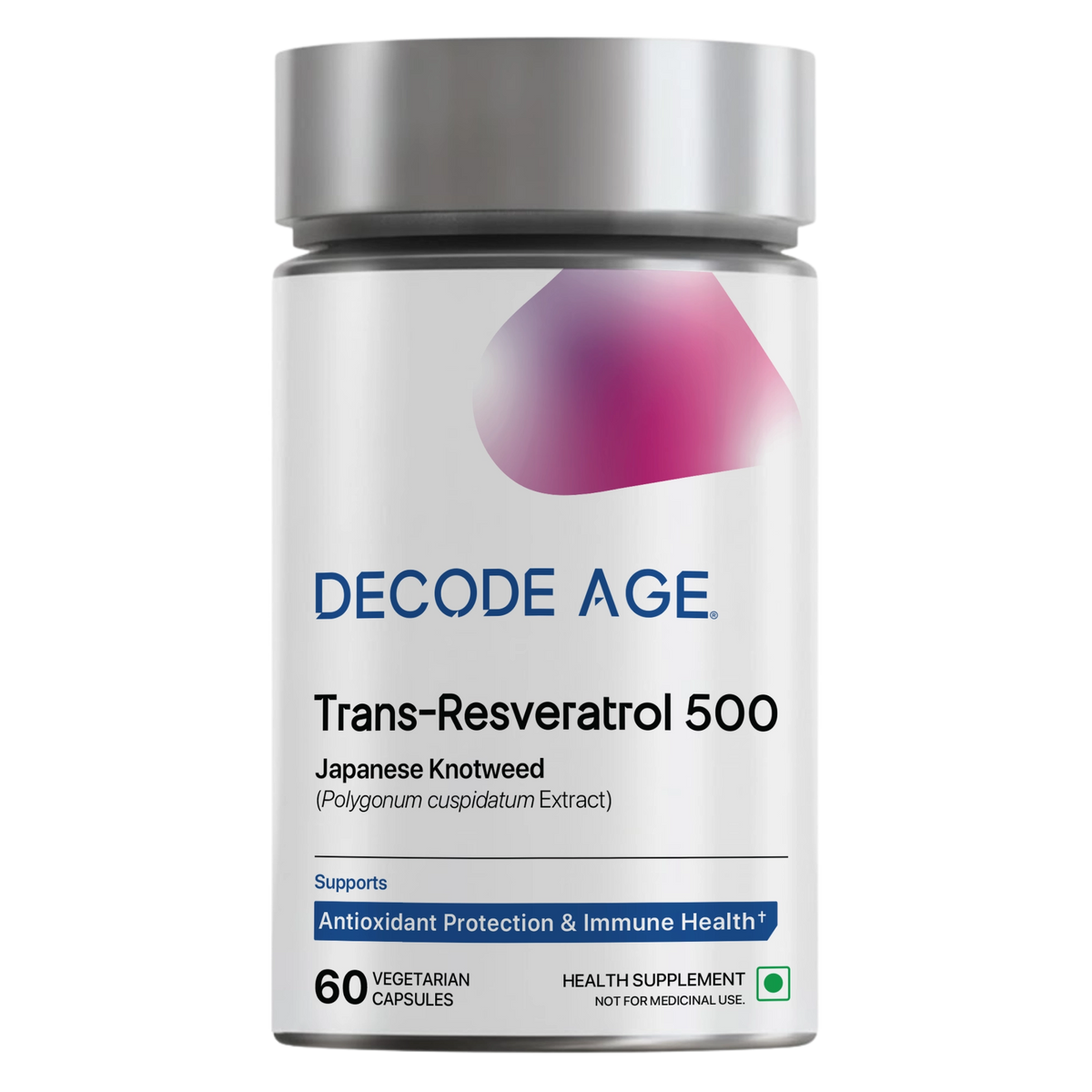
Trans-resveratrol: mixed metabolic and inflammatory findings
Resveratrol has been examined in healthy adults and in people with metabolic conditions. Studies have assessed glucose regulation, insulin sensitivity and inflammatory measures, but findings vary with the population, formulation and study design.
We have not seen a basis for presenting resveratrol as a proven way to extend life or preserve health broadly. Its laboratory rationale may support further research, but that is different from a dependable clinical effect.
NMN and NR: biochemical activity without established healthspan benefit
NMN and NR are studied as precursors involved in NAD biology. Human trials often measure NAD-related metabolites, sometimes alongside metabolic, cognitive or physical outcomes.
A change in an NAD-related biomarker may show that an ingredient reached its intended pathway. It does not establish better mobility, cognition, disease prevention or survival. Until meaningful outcomes become more consistent, we classify NMN and NR as biomarker-led rather than proven healthspan interventions.
Preliminary or Narrow Evidence: Spermidine, L-Theanine, Collagen and Urolithin A
These ingredients may have legitimate uses or research value. Their current evidence should not be enlarged into a general longevity promise.
Spermidine: mechanistically interesting, clinically preliminary
Spermidine is often discussed in connection with autophagy. Human research has also explored cognition and other physiological measures, but the controlled evidence remains too limited for firm healthspan conclusions.
Observational associations and plausible mechanisms can identify worthwhile research questions. They cannot show that taking a spermidine supplement will reproduce the same association or improve long-term outcomes.
L-theanine: focused research on stress, attention and sleep
L-theanine has been studied for short-term stress, attention and sleep-related outcomes. That makes it better viewed as a targeted ingredient for those concerns than as a core longevity supplement.
Even when a person notices a subjective benefit, we would separate that experience from claims about disease prevention or biological ageing. The outcome being pursued should remain clear.
Safety, Interactions and Who Should Avoid a Generic Longevity Stack
“Natural” does not mean free from risk. Pregnancy or breastfeeding, kidney or liver disease, calcium disorders, planned surgery, bleeding concerns and complex medical histories all warrant professional guidance.
Extra caution may be needed alongside:
-
Anticoagulant or antiplatelet medicines
-
Glucose-lowering treatments
-
Blood-pressure medicines
-
Immunosuppressants
-
Other prescription drugs or overlapping supplements
Potential interactions differ by ingredient and dose. Omega-3 may require review in some bleeding-related contexts. Vitamin D requires attention to calcium balance and kidney health. Berberine has meaningful interaction potential, while curcumin and resveratrol may also be unsuitable in some medication plans.
A pre-supplement safety checklist
-
Define the goal and establish a relevant baseline.
-
Review medicines, diagnoses and upcoming procedures.
-
Choose a quality-controlled formulation suited to the target.
-
Decide how progress and adverse effects will be assessed.
When adverse effects or laboratory changes need review
Stop self-experimentation and seek qualified advice after significant symptoms, suspected interactions or unexpected laboratory changes. We recommend sharing a complete list of medicines and supplements with a clinician or pharmacist before making substantial changes.
Choose Supplements From Testing, Not Trends
We use a simple framework:
-
Identify a specific health goal.
-
Assess diet, symptoms and relevant baseline measures.
-
Review medicines and contraindications.
-
Select one meaningful marker or functional outcome.
-
Reassess after an appropriate interval.
For elevated triglycerides, that means considering diet, medication and overall cardiovascular risk before choosing omega-3. For suspected low vitamin D, it means confirming status and selecting a suitable plan. A glucose-focused strategy should use clinically relevant measures rather than vague impressions of “metabolic health.”
The test-target-retest method
-
Test or assess: Establish a baseline with a suitable measure.
-
Target: Match the intervention to the identified gap and a comparable research population.
-
Retest: Reassess the same outcome after an appropriate period.
Not every longevity biomarker is validated or actionable. Testing more markers does not necessarily produce a better strategy.
Single ingredients versus multi-ingredient formulations
A single targeted intervention usually makes dose selection, interaction screening and outcome attribution easier. Starting several ingredients at once makes it harder to identify what caused a benefit, side effect or laboratory change.
Multi-ingredient formulations such as LongeVit can offer convenience, but fixed combinations allow less personalisation. We favour matching any formulation to measurable needs rather than assuming that a longer ingredient list creates a stronger healthspan plan.
FAQ
What supplements have the strongest human evidence for healthy ageing?
It depends on the target. Omega-3 is best established for managing elevated triglycerides, while vitamin D has a clear role when status is low. Berberine has promising evidence for selected metabolic markers but requires more caution around interactions and individual suitability. None should be presented as proven to extend human lifespan.
Does raising NAD mean NMN or NR improves healthspan?
No. A higher NAD-related measure can show biochemical activity, but it does not by itself establish better physical function, cognition, disease prevention or survival. We would need consistent improvements in meaningful human outcomes to make a stronger healthspan claim.
Should healthy adults take vitamin D for longevity?
Not automatically. Supplementation is most defensible when testing shows low status or when a clinician identifies substantial deficiency risk. Dose should account for baseline status, calcium balance, kidney health and other relevant factors.
How long should someone take a supplement before retesting?
There is no universal interval. Timing depends on the ingredient, target, baseline result and medical context. We recommend defining the reassessment plan before starting and using the same marker or functional outcome at follow-up.
Are multi-ingredient longevity stacks better than targeted supplements?
Not necessarily. Stacks may be convenient, but they complicate personalisation, interaction checks and attribution. A targeted intervention is often easier to evaluate when the goal is correcting a specific deficiency or managing a recognised risk marker.






Leave a comment
All comments are moderated before being published.
This site is protected by hCaptcha and the hCaptcha Privacy Policy and Terms of Service apply.