







Digestive issues like bloating, fatigue, and unexplained reactions to food are increasingly common. Many people assume food intolerance is the root cause, but emerging science suggests the gut microbiome often plays a deeper role. This raises an important question:
Should you start with a Gut Health Test or a food intolerance test?
Understanding the difference between these two approaches is key to identifying the root cause rather than just managing symptoms.
Why Gut Health Matters More Than You Think
Your gut is home to trillions of microorganisms that regulate digestion, immunity, metabolism, and even brain function. When this microbial balance is disrupted, a condition known as dysbiosis, it can lead to inflammation, poor digestion, and increased sensitivity to foods.
Research shows that gut microbiota composition directly influences how the body reacts to food, including intolerance-like symptoms (Valdes et al., 2018). This means that what appears to be a food intolerance may actually stem from an underlying gut imbalance. A Gut Health Test helps identify these imbalances at their source, offering a more foundational understanding of digestive health.
What is a Gut Health Test?
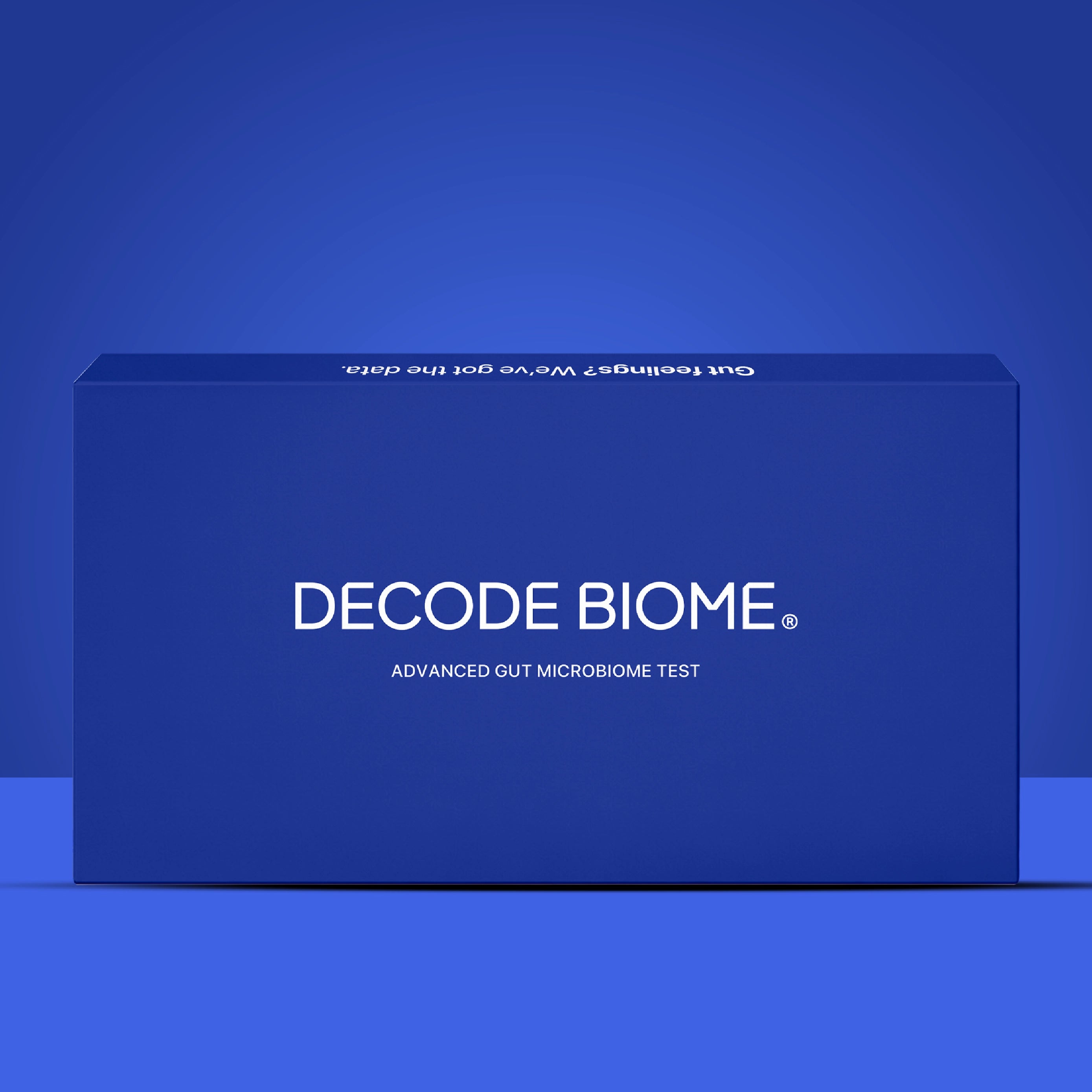
A Gut Health Test analyses your gut microbiome using advanced technologies to identify bacterial diversity, beneficial strains, and harmful microbes. Modern tests, such as Decode Age’s microbiome analysis, use next-generation sequencing to provide insights into:
- Microbial diversity and richness
- Presence of beneficial vs harmful bacteria
- Gut inflammation markers
- Digestive efficiency and metabolism
This allows for a personalised approach to improving gut health rather than relying on guesswork. Decode Age’s gut microbiome test stands out by offering deep microbial profiling, personalised dietary recommendations, and actionable insights, making it a comprehensive starting point for long-term gut optimisation.
What is a Food Intolerance Test?
Food intolerance tests aim to identify specific foods that may trigger digestive discomfort. These reactions are typically non-immune-mediated and occur due to difficulty digesting certain compounds, such as lactose or gluten.
Common methods include:
- Elimination diets
- Hydrogen breath tests
- IgG-based food sensitivity tests
However, IgG testing remains controversial. Many experts argue that IgG responses may reflect exposure to food rather than intolerance, limiting their diagnostic reliability (Turner et al., 2020). Unlike a Gut Health Test, food intolerance tests often focus on symptoms rather than underlying causes.
Key Differences: Gut Health Test vs Food Intolerance Test
1. Root Cause vs Symptom Identification
A Gut Health Test identifies underlying microbial imbalances that may cause multiple food sensitivities, while intolerance tests focus on identifying specific trigger foods without explaining why those reactions occur.
2. Scope of Insight
Gut testing provides a detailed view of digestion, inflammation, and microbial health, whereas food intolerance testing offers a narrower, symptom-focused perspective limited to specific food reactions.
3. Long-Term Impact
Improving gut health can reduce food sensitivities over time, while food intolerance tests often result in diet restrictions without addressing the root imbalance causing those sensitivities.
4. Scientific Reliability
Microbiome research is rapidly advancing, with strong evidence linking gut health to metabolic and immune function (Valdes et al., 2018). In contrast, some intolerance testing methods lack consistent clinical validation.
Which Test Should You Take First?
In most cases, starting with a Gut Health Test is the more effective approach. Here’s why:
Identify the underlying imbalance
Gut dysbiosis can trigger symptoms that mimic food intolerances. Addressing microbial imbalance may reduce or eliminate these reactions without unnecessary dietary restrictions.
Avoid over-restriction
Food intolerance tests often lead to eliminating multiple foods, which can negatively impact nutrition and gut diversity if not medically necessary.
Enable personalised interventions
A gut microbiome test provides tailored recommendations for diet, prebiotics, probiotics, and lifestyle changes based on your unique microbial profile.
Support long-term health
Gut health influences not only digestion but also immunity, metabolism, and mental health, making it a more comprehensive starting point.
When Should You Consider a Food Intolerance Test?
While a Gut Health Test is often the first step, food intolerance testing can still be useful in specific cases:
- Persistent symptoms despite improving gut health
- Suspected lactose or fructose intolerance
- Need for short-term dietary adjustments
In these cases, combining both approaches can provide a more complete picture.
The Science Behind Gut-Driven Food Reactions
Emerging research highlights the connection between gut microbiota and food tolerance. A diverse and balanced microbiome helps break down complex nutrients and regulate immune responses, reducing the likelihood of unwanted reactions (Zmora et al., 2019).
Also, reduced microbial diversity has been linked to increased inflammation and sensitivity to certain foods. This further underlines the importance of addressing gut health before assuming food intolerance.
The Bottom Line
Choosing between a food intolerance test and a Gut Health Test comes down to one key principle: address the root cause first. A Gut Health Test provides deeper, more actionable insights into digestive health, helping you understand why symptoms occur rather than just identifying triggers. Food intolerance tests can complement this approach, but are often more effective after gut health has been assessed and optimised.
As science continues to uncover the central role of the gut microbiome in overall health, starting with gut analysis is thus essential for building a sustainable, personalised approach to wellness.
FAQ’s
-
Why should I start with Decode Age’s Gut Health Test instead of a food intolerance test?
Decode Age’s Gut Health Test identifies root microbial imbalances driving symptoms, helping avoid unnecessary food restrictions while enabling personalised, science-backed interventions for long-term digestive and metabolic health improvement.
-
What makes Decode Age’s Gut Health Test different from other gut tests?
Decode Age’s Gut Health Test uses advanced sequencing to analyse microbial diversity, harmful bacteria, and gut function, delivering personalised nutrition and lifestyle recommendations for deeper, actionable insights beyond basic testing.
-
Can Decode Age’s Gut Health Test help reduce food sensitivities?
Yes, Decode Age’s Gut Health Test identifies dysbiosis and digestive inefficiencies, allowing targeted interventions that may improve gut balance and reduce food sensitivity symptoms over time without overly restrictive diets.
-
Is Decode Age’s Gut Health Test suitable for beginners with digestive issues?
Decode Age’s Gut Health Test is ideal for beginners, offering easy sample collection and clear reports, helping users understand gut health fundamentals before considering more restrictive or symptom-based food intolerance testing.
-
How does Decode Age ensure accuracy in its Gut Health Test results?
Decode Age’s Gut Health Test relies on high-resolution sequencing, validated lab processes, and detailed microbial analysis, ensuring accurate insights that support personalised, evidence-based decisions for improving gut and overall health.



Leave a comment
All comments are moderated before being published.
This site is protected by hCaptcha and the hCaptcha Privacy Policy and Terms of Service apply.