






Let’s start with something most supplement brands won’t tell you: buying a cupboard full of capsules without understanding your biology rarely works.
A longevity-focused supplement routine should not be built around trends, TikTok clips, or celebrity protocols. It should be built around your actual physiology, your lifestyle, and the biological processes that change with age.
The science of healthy ageing has evolved rapidly over the past few years. Researchers are now looking beyond wrinkles and visible ageing, focusing instead on cellular energy, inflammation, mitochondrial health, sleep quality, and biological resilience.
And while no supplement can “reverse ageing”, there is growing evidence that targeted nutritional support may help maintain cellular function, support healthy ageing pathways, and improve quality of life as we grow older.
Here’s how to build an evidence-based anti-ageing supplement routine in 2026.
Step 1: Understand What Ageing Is Actually Doing Inside Your Body
Ageing is not caused by one single process.
Researchers now describe ageing as a combination of interconnected biological changes, often referred to as the “Hallmarks of Ageing” (López-Otín et al., 2023). These include:
- Declining NAD+ levels affecting cellular energy and DNA repair
- Mitochondrial dysfunction reducing energy production
- Accumulation of senescent or “zombie” cells
- Chronic low-grade inflammation (“inflammaging”)
- Reduced cellular clean-up processes such as autophagy
- Increased oxidative stress damaging proteins and DNA
One of the biggest updates in longevity science over the past two years is the growing understanding that these pathways are deeply connected. Poor sleep affects inflammation. Inflammation affects mitochondria. Mitochondrial dysfunction affects energy, recovery, and cognitive performance.
That is why modern anti-ageing supplement routines focus on supporting multiple systems together instead of relying on a single “miracle molecule”.
Step 2: Test Before You Supplement
This remains one of the most overlooked parts of healthy ageing. Before starting supplements, it is worth understanding your baseline health markers. Useful biomarkers may include:
- Vitamin D
- Vitamin B12
- Magnesium status
- HbA1c and fasting glucose
- hs-CRP (inflammation marker)
- Homocysteine
- Lipid profile
- Hormonal markers relevant to your age
- Biological age testing where available
The goal is simple: avoid guessing. Recent research continues to show that both deficiencies and excess supplementation can create problems. For example, excess iron or unnecessary fat-soluble vitamin supplementation may increase oxidative stress in some individuals.
Data-driven supplementation is far more effective than randomly stacking products together.
Decode Age promotes a personalised longevity approach by encouraging consumers to understand their biological markers before building a long-term routine.
Step 3: Build Your Foundation First
The biggest mistake beginners make is jumping straight into advanced longevity compounds while ignoring the basics. Your foundational routine should support:
- Cellular energy
- Sleep and recovery
- Nutrient sufficiency
- Stress resilience
- Healthy inflammation balance
Once these foundations are in place, more targeted longevity compounds tend to work better.
Step 4: Support NAD+ Levels and Cellular Energy
NAD+ has become one of the most studied molecules in longevity science. It plays a central role in:
- Cellular energy production
- DNA repair
- Mitochondrial function
- Sirtuin activity
- Cellular stress responses
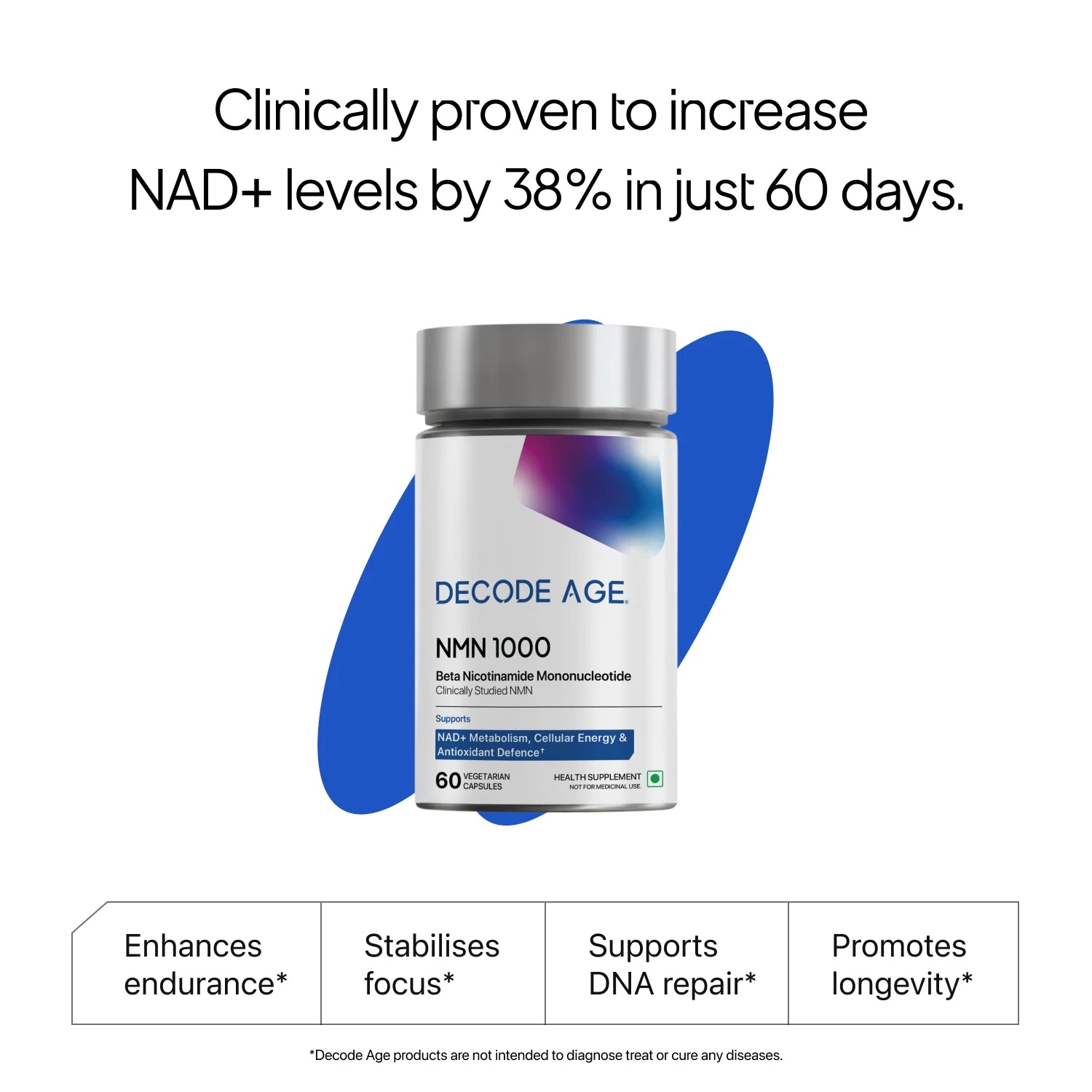
Research continues to show that NAD+ levels decline significantly with age. Recent human studies published between 2022 and 2025 suggest that NAD+ precursors such as NMN (Nicotinamide Mononucleotide) and NR (Nicotinamide Riboside) may help support healthy NAD+ metabolism, particularly in older adults. While human longevity outcomes are still under investigation, early research has explored potential benefits related to:
- Energy metabolism
- Muscle performance
- Insulin sensitivity
- Vascular health
- Healthy ageing support
Importantly, the research remains ongoing, and scientists are still evaluating long-term outcomes and optimal dosing.
NMN and Longevity Support
Decode Age LongeVit™ combines NMN with additional ingredients commonly studied in healthy ageing research, including:
- CoQ10 for mitochondrial energy production
- Ca-AKG (Calcium Alpha-Ketoglutarate) for cellular metabolism support
- Hyaluronic Acid for hydration and joint support
- Glycine for recovery and metabolic health
Recent research interest around Ca-AKG has grown considerably due to emerging studies investigating its role in cellular metabolism, inflammation balance, and biological ageing markers.
Taken after breakfast, LongeVit™ is designed to fit naturally into a daily longevity-focused routine.
Step 5: Address Senescent Cells and Inflammaging
One of the fastest-growing areas in longevity research involves senescent cells. These are damaged cells that stop functioning properly but refuse to die. Instead, they release inflammatory compounds that may affect nearby healthy tissue.
Researchers sometimes refer to them as “zombie cells”. Animal studies and early human research continue to investigate compounds known as senolytics, which may help support the body’s natural clearance of these cells. Among the most studied compounds are:
- Fisetin
- Quercetin
- Apigenin
Recent studies have expanded interest in how these compounds may support healthy inflammatory signalling, cellular resilience, and ageing pathways.
Senolytic Support
Decode Age SeneVit™ combines:
- Fisetin
- Quercetin
- Apigenin
- Piper longum
Unlike daily multivitamins, senolytic compounds are often used intermittently rather than continuously. Current research protocols frequently explore pulse dosing strategies instead of daily long-term administration, although optimal approaches are still being studied. SeneVit™ is therefore designed for alternate-day use after dinner.
Step 6: Prioritise Oxidative Stress and Mitochondrial Health
Oxidative stress remains one of the core drivers of ageing.
Your body naturally produces free radicals during energy production, exercise, stress exposure, and environmental toxin exposure. In small amounts, these molecules are normal. However, excessive oxidative stress may damage proteins, DNA, and mitochondria over time.
The newer view in longevity science is balance, not elimination. Researchers now recognise that some oxidative signalling is necessary for healthy adaptation. The goal is not to “block all oxidation” but to support healthy antioxidant defence systems.
Resveratrol and Polyphenol Support
Resveratrol continues to be one of the most recognised longevity compounds due to its potential role in activating sirtuins and supporting mitochondrial function.
However, more recent research suggests that bioavailability, dosage, and context matter significantly. That is why newer formulations increasingly combine multiple antioxidant and mitochondrial-support compounds together.
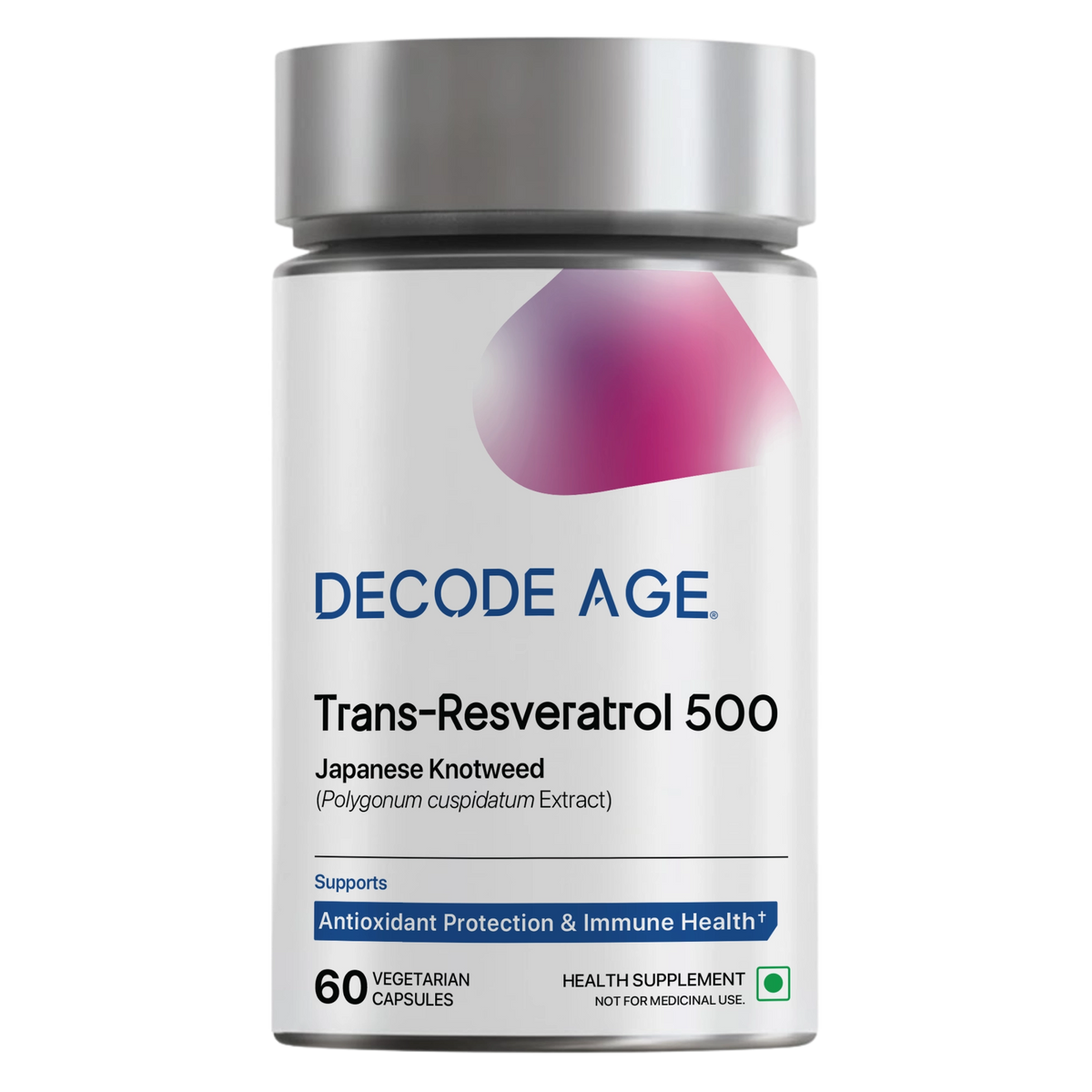
Decode Age ResVit is designed to support antioxidant defence, mitochondrial health, and recovery. It also contains Melatonin, which supports sleep quality and circadian rhythm regulation.
Taken after dinner, ResVit™ complements daytime cellular energy support while aligning with overnight recovery processes.
Step 7: Never Ignore Sleep and Recovery
If there is one area longevity science has become increasingly clear about, it is this:
Poor sleep accelerates ageing.
Sleep affects:
- Hormonal regulation
- Cellular repair
- Memory consolidation
- Glucose metabolism
- Inflammation levels
- Immune function
Even the best supplement routine cannot compensate for chronic sleep deprivation.
Magnesium and Sleep Support
Magnesium remains one of the most commonly deficient minerals worldwide. Emerging evidence continues to support its role in:
- Nervous system regulation
- Muscle relaxation
- Sleep quality
- Stress resilience
- Recovery
Decode Age Mag7™ combines seven forms of magnesium to support broader absorption and overnight recovery.
Taken in the evening, it helps support relaxation and deeper restorative sleep.
Step 8: Focus on Lifestyle Before Stacking More Supplements
Here is the uncomfortable truth:
No longevity stack can out-supplement poor lifestyle habits. The strongest evidence for healthy ageing still consistently comes from:
- Resistance training
- Regular movement
- High-quality sleep
- Protein sufficiency
- Stress management
- Whole-food nutrition
- Social connection
Supplements should support these systems, not replace them. In fact, many researchers now describe longevity interventions as “layered support”. Lifestyle remains the foundation. Supplementation becomes the reinforcement.
Step 9: Structure Your Supplement Timing Properly
Timing matters more than most people realise.
Morning
Best for:
- NMN
- CoQ10
- B vitamins
- Energy-support compounds
Morning supplementation aligns better with the body’s natural circadian rhythm and daytime mitochondrial activity.
With Meals
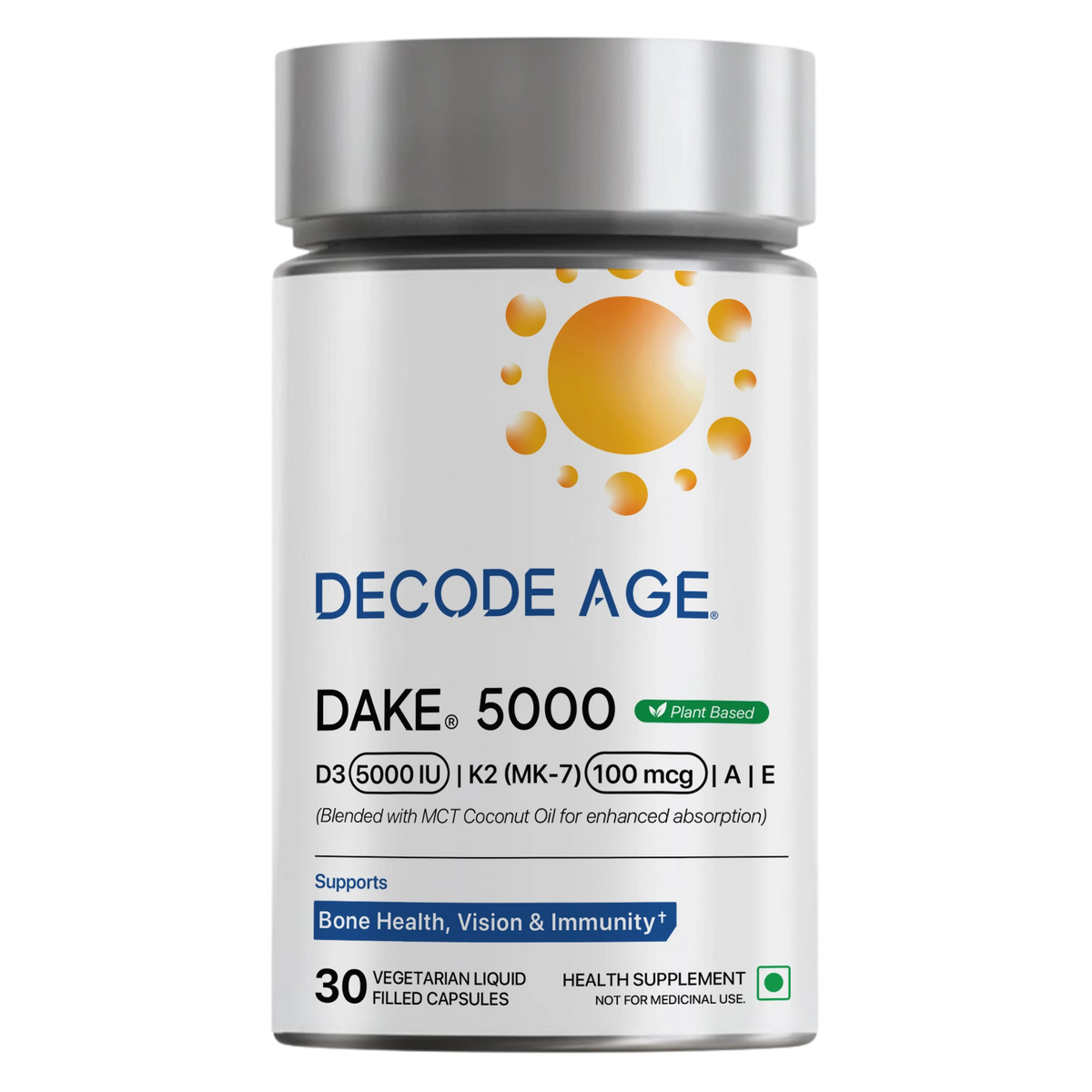
Fat-soluble nutrients such as:
- Vitamin D
- Vitamin K2
- Omega-3s
are typically better absorbed alongside meals containing healthy fats.
Evening
Best for:
- Magnesium
- Melatonin-containing formulations
- Recovery-focused compounds
These may support relaxation and overnight recovery.
Step 10: Track Progress Objectively
One of the biggest mistakes people make is expecting instant results. Longevity interventions usually work slowly and cumulatively.
Here is a more realistic framework:
After 4–6 Weeks
You may notice:
- Better sleep
- Improved energy
- Better workout recovery
- Sharper mental clarity
After 3–6 Months
Potential measurable improvements may include:
- Improved inflammatory markers
- Better metabolic markers
- Improved nutrient status
- Better recovery metrics
Annually
Consider reassessing:
- Biological age markers
- Cardiometabolic health
- Sleep quality
- Body composition
- Long-term supplementation needs
The goal is optimisation, not perfection.
The Bigger Picture
The future of longevity is becoming increasingly personalised.
Researchers are moving away from the idea of a universal “anti-ageing pill” and toward precision health strategies based on biology, lifestyle, sleep, nutrition, and recovery.
Supplements can play a valuable role in supporting healthy ageing when used thoughtfully and consistently. But the most effective longevity routine will always combine:
- Science-backed supplementation
- Movement
- Recovery
- Nutrition
- Sleep
- Stress management
- Long-term consistency
Healthy ageing is rarely about dramatic overnight transformation. It is usually the result of small daily decisions repeated consistently over time. And that may be the most powerful longevity intervention of all.
FAQs
-
What is the best way to start an anti-ageing supplement routine?
The best approach is to begin with foundational support rather than taking multiple advanced supplements immediately. Focus first on sleep, nutrient sufficiency, recovery, and cellular energy. A simple routine built around NMN, magnesium, and antioxidant support is often easier to maintain consistently and gives your body time to adapt. -
Is NMN still considered safe in 2026?
Current human research suggests NMN appears generally well tolerated in studied doses, although long-term research is still ongoing. Most studies focus on metabolic health, energy production, and healthy ageing support rather than lifespan extension. As with any supplement, it is best to consult a healthcare professional before starting. -
What are senolytics and why are people talking about them?
Senolytics are compounds being studied for their ability to help the body clear senescent or “zombie” cells. These cells accumulate with age and may contribute to chronic inflammation and tissue dysfunction. Compounds such as Fisetin and Quercetin are among the most researched natural senolytics currently under investigation. -
Do anti-ageing supplements actually work?
Some supplements have emerging evidence supporting specific biological functions linked to healthy ageing, such as mitochondrial support, sleep quality, inflammation balance, and NAD+ metabolism. However, no supplement can stop ageing entirely. The strongest benefits usually come when supplementation is combined with healthy lifestyle habits. -
How long does it take to notice results from longevity supplements?
This varies significantly depending on the individual, their baseline health, sleep quality, stress levels, and consistency. Some people notice changes in energy and sleep within a few weeks, while deeper physiological changes may take several months to become measurable. -
Should I take longevity supplements every day?
Not necessarily. Some supplements, such as magnesium or multinutrient formulations, are often taken daily. Others, particularly senolytic compounds, may work better using intermittent dosing protocols. Research into ideal longevity supplement timing is still evolving. -
Can supplements replace healthy lifestyle habits?
No. Supplements are designed to support health, not compensate for poor sleep, inactivity, chronic stress, or highly processed diets. Exercise, nutrition, recovery, and sleep remain the most evidence-backed longevity interventions available today.
This article is for educational purposes only and is not intended to diagnose, treat, cure, or prevent any disease. Please consult your healthcare provider before making any health-related decisions.


Leave a comment
All comments are moderated before being published.
This site is protected by hCaptcha and the hCaptcha Privacy Policy and Terms of Service apply.