



After 40, NAD+ levels tend to fall, and that may affect energy production, muscle function, metabolic health, and sleep. From what I see in current human studies, NMN helps increase blood NAD+ in the short term, but the rest of the story is still early.
If I strip away the marketing, the clearest takeaways are simple:
- Best-supported effect: higher blood NAD+ markers
- Possible short-term effects: better walking performance, sleep, aerobic output, and insulin sensitivity in some groups
- What is still unclear: long-term safety, best dose, and whether blood changes match tissue changes
- What NMN is not: a cure, an anti-ageing shortcut, or a replacement for diet, exercise, and sleep
I’d look at NMN as a science-led add-on, not a fix-all. This article gives a clear view of what human trials show, where the data is thin, and who may want to speak with a doctor before trying it.
How Ageing Biology Changes After 40
After 40, a few body systems start changing in ways that scientists can measure. A lot of those shifts seem to meet at one point: NAD+.
NAD+ (nicotinamide adenine dinucleotide) is a co-enzyme that helps the body make energy and repair cells. As we age, NAD+ levels tend to drop. One reason is lower NAMPT activity, which slows the recycling of NAD+. Another is that enzymes like PARP use up NAD+ during DNA repair. When NAD+ falls, the body’s energy and repair systems can lose some of their edge, including pathways linked to sirtuins and stress response. Since NMN is a precursor to NAD+, these age-linked changes put it on the radar in longevity research.
Mitochondria, the parts of the cell that produce energy, also take a hit over time. Oxidative damage builds up, and mitochondrial DNA-deletion mutations become more common, especially in skeletal muscle [5]. That can feed into muscle loss and poorer physical function. In day-to-day terms, this may feel like lower stamina, slower recovery after activity, and less muscle strength or output.
Blood vessels change, too. Arterial stiffness tends to go up with age, while metabolic flexibility - the body’s ability to switch between fuel sources like glucose and fat - tends to go down as NAD+ levels drop [3][4].
These patterns make more sense when you look at them system by system:
| Biological Change After 40 | Why It Happens | Current Evidence |
|---|---|---|
| NAD+ Level Decline | Lower NAMPT activity; higher consumption by PARPs and CD38 [3][4] | Strong: seen in human blood and tissue samples [3][4] |
| Mitochondrial Efficiency | Oxidative damage and mitochondrial DNA-deletion mutations in muscle [5] | Moderate: strong mechanistic and animal data; human data looks more at physical performance [2][5] |
| DNA Repair Decline | Lower NAD+ availability for PARP-mediated repair [3] | Mechanistic: well-mapped biochemically; direct clinical outcomes are harder to track [3] |
| Metabolic Flexibility | Lower insulin sensitivity and weaker fuel-switching ability [3] | Strong: human studies show better insulin sensitivity in some groups [2][8] |
| Muscle Resilience | Fibre atrophy and lower oxygen use in skeletal muscle [5] | Strong: many RCTs report better walking speed and lower-limb function [1][2][8] |
| Vascular Function | Higher arterial stiffness; lower NAD+-dependent vessel function [4] | Emerging: strong animal evidence; human data points to possible effects in higher-risk groups [4] |
This is the reason scientists started looking at NMN as one way to support NAD+.
Why Scientists Started Studying NMN
Nicotinamide mononucleotide supplement started getting attention for a simple reason: it is a direct precursor in the NAD+ salvage pathway. Since NAD+ levels tend to fall with age, NMN looked like a sensible compound to test, especially in adults over 40.
Inside the cell, NMN sits just one step before NAD+ in the body’s main recycling route. This route does most of the work of keeping NAD+ levels up. Researchers were interested because NMN may help sidestep a slower, rate-limiting step in that recycling process. In plain terms, they wanted to see whether NMN could help support NAD+ levels in a more direct way.
That matters because NAD+ is required by enzymes such as sirtuins and PARPs, both linked to cell repair and other age-related functions [3][4]. If NAD+ drops, those systems may not work as well as they should. That connection gave scientists a clear reason to look deeper.
From there, the research path followed the usual pattern: first biochemistry, then animal work, and after that, human trials. Early animal studies found higher NAD+ levels along with better physical and vascular measures. That was enough to move the field forward into human testing. Still, those animal studies were only proof of concept, not proof that the same thing would happen in people. Animal data can point researchers in a direction, but it does not settle the question for humans [2].
The sections below look at what human studies have actually found, and where the evidence is still limited.
1. Supporting Healthy NAD+ Levels
NAD+ tends to drop with age, especially after 40. That’s one reason NMN gets so much attention. Put simply, NMN is a precursor to NAD+, which means the body can use it in the salvage pathway to help make more NAD+. That’s the main reason researchers study it.
For most readers, the big issue isn’t the pathway on paper. It’s whether this shows up in actual people. So the practical question is simple: does NMN increase NAD+ markers in human trials?
Short-term randomised studies suggest that it can. In adults aged 40–65, daily NMN increased blood NAD+ markers within 30 to 60 days [2]. Another 12-week study reported higher nicotinamide levels, which points to shifts in NAD+ metabolism markers [4].
There’s a catch, though. These measurements don’t always line up neatly across studies. Different assays can give different readings, and serum tests may miss changes that appear in blood cells [3][4]. So while the signal looks promising, the way NAD+ is measured still matters.
Study length is another limit. Most human trials so far run for only 4 to 12 weeks [2][4][6]. That means we can say NMN appears to increase NAD+ markers in the short term, but we still don’t know how long those changes last beyond a few months.
If NAD+ markers go up, the next step is obvious: does that lead to more usable cellular energy?
2. Cellular Energy Production
If NMN lifts NAD+, the next step is simple: does that help with day-to-day energy and exercise capacity in people, not just in lab models? NAD+ helps cells convert nutrients into usable energy, so researchers have looked at whether that shift shows up in physical performance.
Human trial data give a mixed but interesting picture. In a 60-day randomised trial of 80 adults aged 40–65, NMN increased blood NAD+ levels across all dose groups, and the 600 mg group showed the clearest gain in the six-minute walk test [2]. In another study involving recreational runners, 600 mg and 1,200 mg doses improved oxygen uptake and power at exercise breathing thresholds [7]. Put plainly, the signal so far leans more towards endurance and aerobic output than a fast, caffeine-style jolt.
What this means in everyday life: The evidence points to endurance and aerobic capacity, not a stimulant-like energy boost.
That distinction matters. People often hear “cellular energy” and expect something they can feel by lunchtime. But that’s not what these studies suggest. The pattern looks more like improved exercise efficiency or stamina over time, especially during walking, running, or other aerobic effort.
There are still a few loose ends. Muscle tissue does not always show the same rise as blood [2]. So while blood NAD+ may go up, the connection between that change and energy production inside specific tissues is still being studied. Study duration is also short in most human trials, usually around 6 to 12 weeks, which leaves the long-term picture unsettled.
Where the evidence is limited: Muscle tissue does not always show the same rise as blood. [2] That means the link between higher blood NAD+ levels and better energy inside specific tissues is still being worked out. Most human studies run for only 6 to 12 weeks, so whether these effects last long term remains unknown.
3. Muscle Function and Physical Performance
After 40, many people start to notice two things at once: muscle mass drops, and energy just doesn’t seem to stretch as far as it used to. Part of that shift may be linked to weaker mitochondrial energy production. Since NAD+ helps support both muscle function and cellular energy, NMN has become one of the more watched compounds in this area. Put simply, if NMN is going to show practical effects, muscle function is one of the clearest places to look.
Human studies so far suggest modest gains, not anything like a stimulant effect. In short-term trials, NMN improved walking capacity and helped maintain walking speed. A meta-analysis of nine randomised controlled trials covering 412 participants also found a small but meaningful improvement in gait speed, with an SMD of 0.34 (95% CI 0.03 to 0.66, p = 0.033) [8]. That may sound technical, but the plain-English version is simple: people moved a bit better, and that matters.
One study in older adults added an interesting twist. Taking 250 mg of NMN in the afternoon led to a medium-to-large effect size (d = 0.72) in the 5-times sit-to-stand test, which is often used as a marker of leg power. Morning intake did not show the same benefit [5]. So timing may shape the response, which is a useful point for both researchers and users.
Not every strength marker has moved in the same direction. Grip strength, for example, has not improved steadily across trials [2][5]. That inconsistency matters, especially since most studies have only lasted 6 to 12 weeks. In other words, we’re looking at early human data, not the full picture yet.
Some studies also found no major increase in muscle NAD+ concentrations even when performance markers improved [2]. That opens up an interesting possibility: NMN may be helping through broader whole-body effects rather than acting like a direct muscle repair tool. Think of it less like patching one weak spot and more like improving the body’s general energy system.
These findings matter beyond exercise stats. Muscle health is closely tied to independence, metabolic health, and healthy ageing. Being able to walk well, stand up with ease, and keep physical function for longer isn’t just about fitness. It’s about day-to-day life.
4. Metabolic Health and Insulin Sensitivity
Metabolic health is one area where the age-linked drop in NAD+ may have a clear role. NAD+ helps drive energy-related reactions and supports insulin signalling, and both tend to weaken with age [4]. On top of that, NAMPT activity also falls over time, which may make these metabolic functions less efficient after 40 [4].
That’s part of the reason NMN has drawn so much interest. It sits one step closer to NAD+ production than the NAMPT step, so researchers have looked at it as a way to support NAD+ levels in older adults [4].
Human data, though, don’t tell one neat, simple story. A 2021 study reported better skeletal muscle insulin sensitivity in prediabetic women with obesity, while a 60-day trial in healthy adults showed higher blood NAD+ without a meaningful change in HOMA-IR [2][8]. In plain terms, who is taking NMN seems to matter a lot. Someone with metabolic strain may respond differently from someone whose markers already sit in the normal range.
A 2025 meta-analysis pooled data from nine randomised controlled trials with 412 participants and found a reduction in insulin resistance and ALT in middle-aged and older adults [8]. The subgroup analysis also hinted that lower doses may have a stronger effect on HOMA-IR in some groups [8]. That’s an interesting twist, because people often assume more is always better. Biology rarely works that neatly.
Here’s the pattern so far:
- NMN may show clearer metabolic effects in people who already have metabolic risk [2][4]
- In healthy adults with normal baseline markers, shifts may be smaller or harder to detect [2][8]
- Most studies are still short, often just 6 to 12 weeks, and sample sizes remain small [2][4]
So the current picture is promising but still incomplete. NMN may help in certain groups, especially where insulin resistance is already present, but the long-term effect on metabolic health is still not known [2][4].
The next question is whether NMN also affects blood vessels and circulation.
5. Vascular Function
Arteries often get stiffer with age, and that change is tied to poorer heart and blood vessel health. So if NMN has any useful effect in human ageing, vascular function is one of the most practical places to look. NAD+ support may help the endothelium - the thin inner lining of blood vessels - work better, and preclinical research suggests SIRT1 may be part of that pathway.
Human data is still at an early stage, but there is a hint of a signal. In a 12-week trial involving healthy middle-aged adults aged 40–59 years, 250 mg/day of NMN was linked with a drop in a blood-flow marker called baPWV by 25.1 ± 14.5 cm/s [4]. Vascular age estimates improved in the NMN group and became slightly worse in the placebo group [4]. In the full study group, the overall effect did not reach statistical significance. Still, the pattern looked stronger in participants with above-average BMI or blood glucose, where arterial stiffness improved significantly [4]. In the subgroup with higher blood glucose, diastolic blood pressure also fell significantly [4].
That said, it’s worth keeping both feet on the ground. The current evidence is short-term, and most vascular studies have lasted only 6 to 12 weeks. No human trial has yet shown that NMN lowers long-term cardiovascular risk.
For now, the takeaway is fairly simple: these early results suggest NMN may have a vascular effect, with the clearest signal showing up in people with higher metabolic risk. Since blood flow also shapes how well the brain gets oxygen and energy, the next step is to look at whether NMN shows any signal in cognitive ageing.
6. Brain Energy and Cognitive Ageing
Blood flow matters. Energy supply matters too. The brain is one of the body’s most energy-hungry organs, and it depends heavily on NAD+ to make that energy. Like other tissues, the brain seems to follow the same age-linked pattern: as NAD+ drops over time, energy use and repair may weaken as well.
The human data here are still indirect. In a 12-week randomised study in older adults, 250 mg/day of NMN led to better sleep quality. The NMN group had lower scores for “Daytime dysfunction” on the Pittsburgh Sleep Quality Index than the placebo group [1]. Animal research points in a promising direction, but direct human data on cognition are still limited [2][8].
For now, that makes sleep quality and daytime function the most practical human signals we have. That’s worth paying attention to. It is not proof that NMN improves memory or attention. Still, sleep and daytime alertness are closely tied to cognitive ageing, so these early signs are hard to dismiss.
There’s another small human signal as well. In a 60-day trial of 80 healthy adults aged 40–65, people taking 300 mg, 600 mg, or 900 mg/day of NMN reported better self-rated general health scores than those taking placebo [2].
So where does that leave us? NMN does increase NAD+ levels in humans, but no large trial has yet tested whether that leads to direct gains in memory, focus, or attention. The next step is pretty clear: researchers need to see whether these early signs show up in broader markers of healthy ageing.
sbb-itb-55c436e
7. Biological Age and Healthy Ageing Markers
Biological age gives a better sense of whether NMN is changing ageing-related function than any single marker on its own. Chronological age just tells you how many years have passed. Biological age looks at blood markers like glucose, albumin, lipids, and haemoglobin to estimate how well the body’s systems are working in practice. That matters here because it brings together NAD+, mobility, and vascular signals into one broader view.
After looking at shifts in NAD+, walking capacity, and vascular markers, the next step is simple: do those changes show up in a broader ageing score? In the 60-day trial, biological age went up in the placebo group but stayed stable in the NMN groups [2]. That’s the main point of this section. NMN may help keep composite ageing markers steady in the short term, even if it does not seem to turn them back.
This fits with what earlier sections have already shown. A meta-analysis of nine trials found a small gain in gait speed [8]. Vascular studies also showed the clearest signal in participants with higher metabolic risk [4]. Put side by side, those functional and vascular results move in the same direction as the biological-age finding.
Right now, the data suggest NMN may help maintain biological-age markers rather than reverse them. The evidence is still short-term and based on small studies, but the pattern is fairly consistent. The next step is to look at how these signals line up across trials and outcomes.
8. Short-Term Safety and Tolerability in Adults Over 40
Several randomised, double-blind, placebo-controlled trials suggest that NMN is well tolerated in healthy adults aged 40 and above. In these studies, daily doses ranged from 250 mg to 900 mg, and researchers did not link any adverse events to NMN use [1][2][3][4]. Blood tests and other clinical markers also did not show any major abnormalities. So, at least in the short term, the same trials that point to possible upside also suggest good tolerability.
That said, there’s an important limit here. These results come from short-duration trials only. They do not tell us what happens with long-term daily use, and they do not answer questions about possible interactions with medicines [2][4]. That brings us to the next part: beyond safety, what do these trials actually show?
What Human Clinical Trials Actually Show
Human trials on NMN point to a pretty clear pattern. The most steady finding is that NMN raises blood NAD+. Beyond that, the effects look modest and short-term so far, with the clearest signals showing up in walking performance, sleep, insulin sensitivity, and exercise capacity. What these studies do not show is proof that NMN delivers broad anti-ageing effects in people.
Here’s the snapshot.
| Clinical Trial | Participants | Dose | Duration | Main Findings | Key Limitation |
|---|---|---|---|---|---|
| Yi et al. | 80 healthy middle-aged adults | 300, 600, 900 mg/day | 60 days | Dose-dependent rise in blood NAD+; 600 mg and 900 mg improved walking distance and kept biological-age scores from blood markers stable vs placebo [2] | Small sample; short duration |
| Morifuji et al. | 60 older adults | 250 mg/day | 12 weeks | Raised blood NAD+; maintained walking speed and improved sleep quality [1] | No dose comparison; single study |
| Katayoshi et al. | 36 healthy middle-aged adults | 250 mg/day | 12 weeks | Raised nicotinamide-related blood markers; arterial stiffness improved mainly in higher-BMI or higher-glucose participants [4] | Very small sample; subgroup finding |
| Okabe et al. | 30 healthy subjects | 250 mg/day | 12 weeks | Raised whole-blood NAD+ and NAMN; blood NMN itself did not rise [3] | Small sample; no functional outcomes |
| Kim et al. | 108 older Japanese adults | 250 mg/day | 12 weeks | Afternoon dosing improved lower-limb function and reduced daytime drowsiness more than morning dosing [5] | Single population; timing data preliminary |
| Yoshino et al. | 25 prediabetic/obese women | 250 mg/day | 10 weeks | Improved skeletal muscle insulin sensitivity in prediabetic women with obesity [2] | Very small sample; specific population only |
| Liao et al. | 48 amateur runners | 300, 600, 1,200 mg/day | 6 weeks | Increased aerobic capacity during exercise in a dose-dependent way [7] | Short duration; active adults only |
| Irie et al. | 10 healthy men | 100, 250, 500 mg (single dose) | 1 day | Single doses were well tolerated and increased urinary nicotinamide metabolites [2] | Single dose only; no long-term data |
A few patterns stand out when you read these trials side by side.
- Dose seems to matter, at least in some settings, especially for NAD+ response and exercise-related outcomes.
- Baseline health status matters too. People with obesity, prediabetes, higher BMI, or higher glucose may respond differently from healthy adults.
- Study length is still a problem. Most trials run for only a few weeks to a few months, which is far too short to say much about ageing itself.
There’s another wrinkle: not every trial measures the same blood markers in the same way. Some track NAD+ directly, others look at related compounds like NAMN or nicotinamide metabolites. That makes the head-to-head comparison messy.
So where does that leave us? In plain terms, NMN has shown early signs of benefit in human studies, but the evidence base is still small, short, and a bit uneven. The signal is there, but it’s not broad enough yet to support big claims.
That leads to the next question: how strong is the overall evidence today?
How Strong Is the Evidence Today?

NMN Evidence Strength by Health Outcome: What Human Trials Show
It depends on what you’re looking at. The evidence for NMN isn’t equally strong across all outcomes. In some areas, there are multiple randomised controlled trials pointing in the same direction. In others, the signal comes from one small study or a subgroup finding. So there’s a pretty clear divide: stronger evidence for biomarker shifts, weaker evidence for day-to-day or long-term outcomes.
Here’s how the human evidence looks by outcome.
| Evidence Level | Research Area | Confidence |
|---|---|---|
| High | Blood NAD+ Elevation | Consistent across multiple double-blind RCTs [2][3][4] |
| High | Short-term Safety & Tolerability | Well tolerated at doses up to 900 mg/day in healthy adults [2][4] |
| Moderate | Physical Performance | Positive results in walking speed, 6-minute walking distance, and lower-limb function, but samples are small [1][2][5][8] |
| Moderate | Sleep Quality & Fatigue | Improvements in PSQI scores and reduced drowsiness, especially with afternoon dosing [1][5] |
| Emerging | Metabolic Health & Insulin Sensitivity | Some benefit in specific subgroups, but results are inconsistent in healthy adults [2][8] |
| Emerging | Vascular Function | Trends in arterial stiffness have been seen, but significance is often limited to subgroups [4] |
| Emerging | Biological Age Markers | Early signal only; relies on composite ageing scores that need broader validation [2] |
A few things shape how much confidence we can place in these results:
- Sample size: many NMN trials include only a small number of participants.
- Study length: most studies run for weeks or a few months, not years.
- Population: results in healthy adults may differ from results in older adults or people with metabolic issues.
- Outcome type: blood markers are often easier to shift than strength, endurance, sleep, or ageing-related changes people can actually feel.
That last point matters. In NMN research, biomarker changes tend to show up earlier and more clearly than functional gains. It’s one thing to lift NAD+ levels in blood. It’s another to show that this leads to steady changes in mobility, metabolism, vascular health, or biological ageing over time.
Right now, the human evidence is strongest for short-term biomarker change, not long-term anti-ageing benefit. That’s the clearest signal at present. The more practical outcomes are still being studied, and the results so far are mixed rather than settled.
That leads straight to the next issue: what current trials still can’t tell us about long-term NMN use.
What Researchers Still Do Not Know
The biggest gaps are still pretty basic: long-term safety, the right dose, what happens in different tissues, and whether any of this leads to better ageing outcomes. Right now, three questions sit at the centre of the evidence.
Short-term tolerability looks good at up to 900 mg per day, but the long view is still missing. We do not yet know what happens with steady use over years, not just weeks or a few months.
Dosing is also unsettled. Human trials have used anywhere from 250 mg to 1,200 mg daily, but there is no agreed-upon long-term dose yet. In plain terms, researchers are still feeling their way here.
Then there is the tissue question, and this one matters a lot. Blood NAD+ does not always track with tissue NAD+. In one trial, NAD+ went up in blood cells but not in muscle at 250 mg, which suggests that better-looking biomarkers may not always mean the target tissues are responding in the same way [2]. That leaves the core issue in front of us: do these biomarker changes lead to meaningful ageing outcomes, or are they just early signals without much effect where it counts?
Human data on mobility, metabolism, vascular function, cognition, and biological age is still thin. Larger multi-centre studies across more varied populations, including Indian adults, are still needed to see how genetics, diet, daily routine, and other lifestyle factors shape both efficacy and safety [2][3]. That naturally leads to the next question: how strong is the full body of evidence right now?
Who May Consider NMN After 40
NMN is not a treatment. After 40, it may be worth a conversation as part of a preventive healthy-ageing plan.
So far, most human trials have focused on healthy adults aged 40 to 65. The clearest signals show up in physical function, metabolic markers, and vascular health. That puts NMN in a fairly specific category: an evidence-led option to discuss, not something every adult over 40 should automatically take.
The table below sums up the clearest use cases seen in current trials.
| Goal or Context | Observed Signal |
|---|---|
| Physical function | Improved 6-minute walking distance and maintained walking speed [2][1] |
| Metabolic health | Improved insulin resistance and lower HOMA-IR scores [8] |
| Vascular health | Potential reduction in arterial stiffness, especially in adults with higher BMI or higher blood glucose [4] |
A sensible first step is to check your baseline markers and review them with a clinician before starting. That way, any change can be tracked properly instead of being left to guesswork.
This matters even more for people with chronic conditions, especially those managing diabetes or heart, liver, or kidney issues. The same caution applies to anyone taking niacin medicines or statins [2][3][4][5]. Most trials left these groups out, so the safety picture is still limited. Anyone who is pregnant or breastfeeding should also speak with a clinician before considering NMN [2][3][4][5].
Even for adults who may be a fit for NMN, it should sit inside a routine built on exercise, sleep, and nutrition. Lifestyle still does the heavy lifting.
Lifestyle Comes First
For adults over 40, NMN should be seen as an add-on, not the main piece. In clinical trials, researchers kept diet and daily habits stable so they could measure NMN more cleanly. That tells us something simple but important: lifestyle is the base, and NMN sits on top of it as extra support.
NMN seems to help alongside exercise, not instead of it. The same idea shows up in metabolic health and recovery too. It may support the body’s response, but it doesn’t do the job that training, sleep, and food are meant to do.
In adults over 40, the signal looks modest. NMN may help with some markers linked to ageing, but it does not replace steady movement, sound nutrition, or a proper routine. There’s another practical point here as well: the effect does not seem to last once supplementation stops. Blood NAD+ levels returned to baseline after stopping supplementation [2][3].
So the base stays the same - exercise, sleep, and nutrition come first. NMN fits better as a support tool, which is why the next step is to look at it in the context of the habits it is meant to work with.
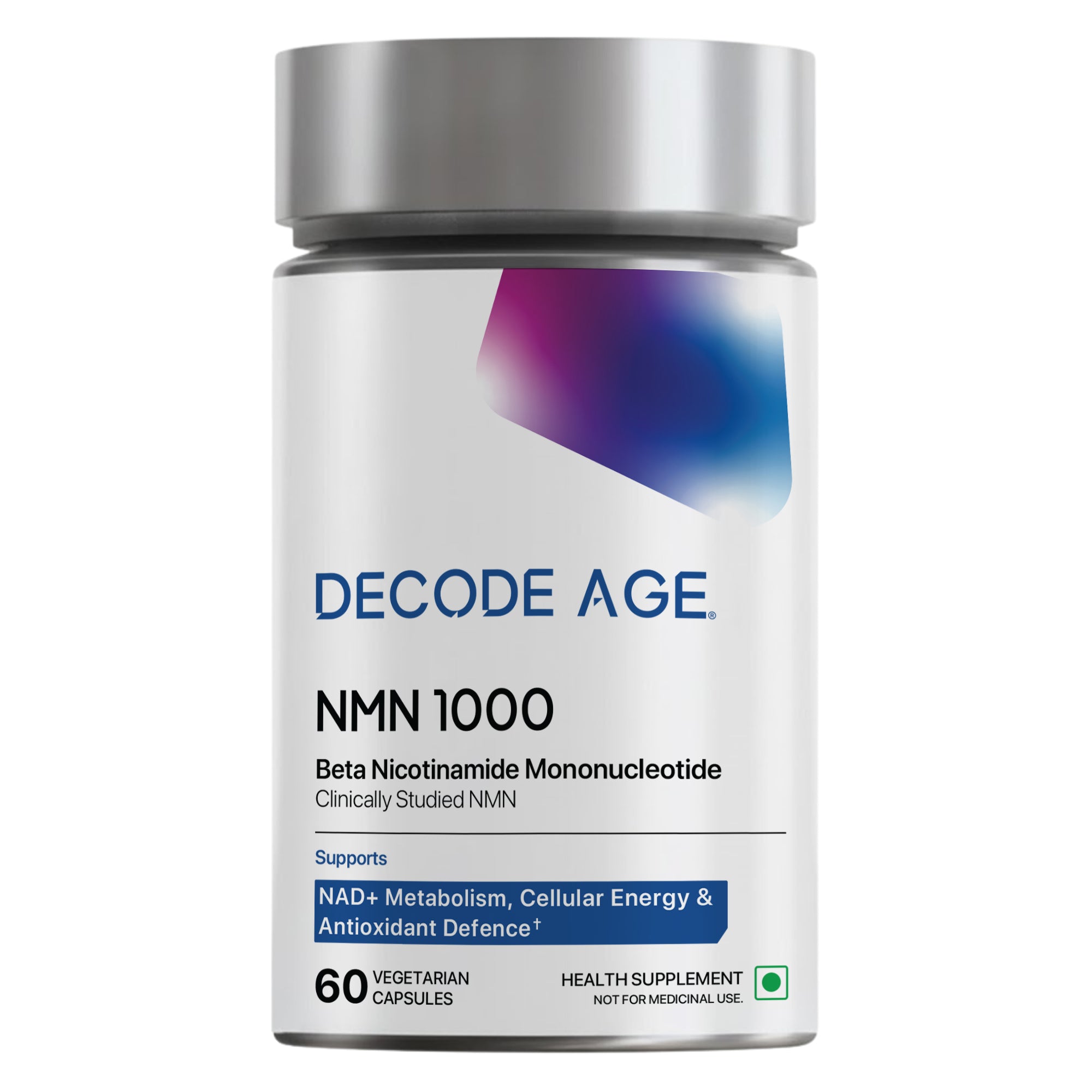
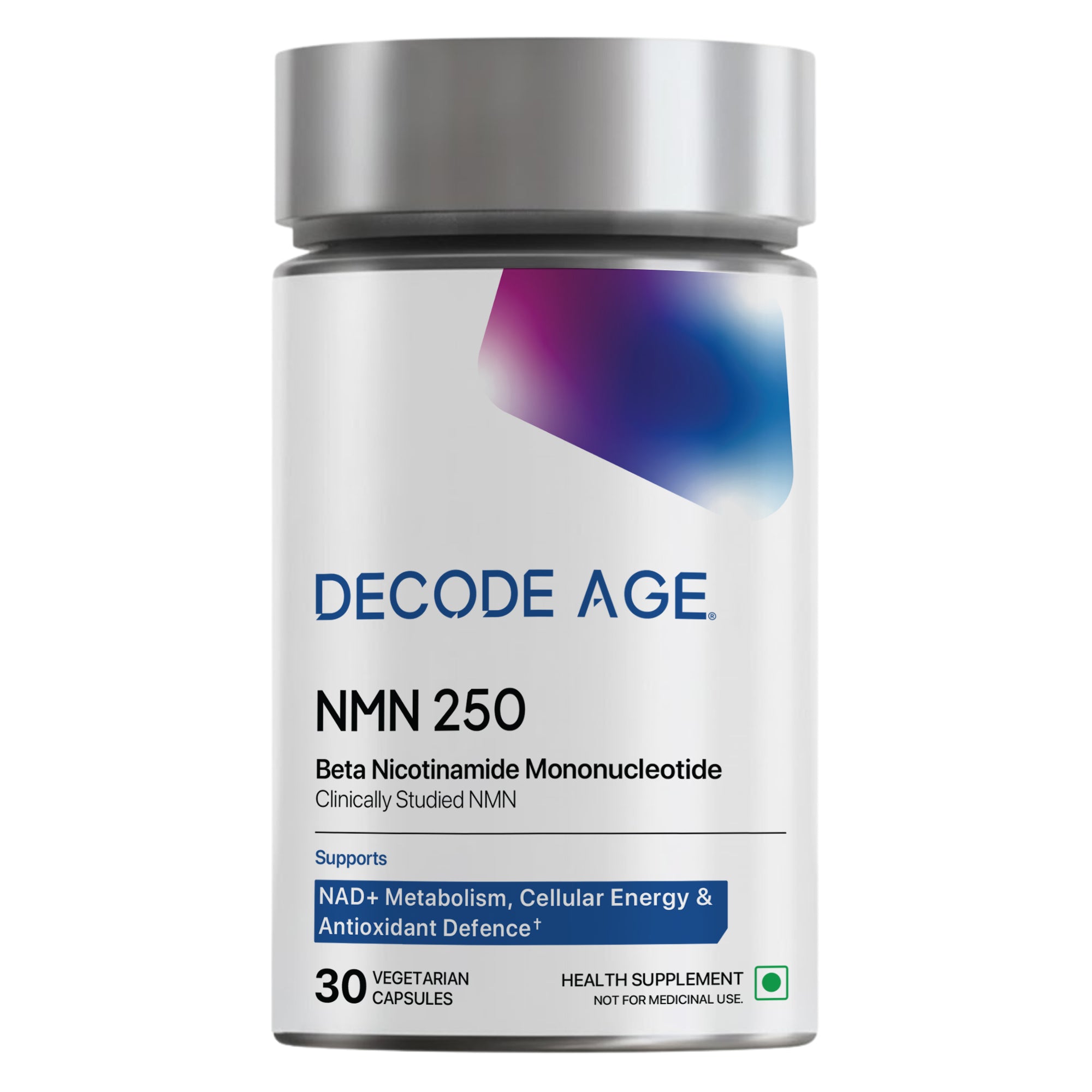
If you'd like to read past the headlines and get into the science, Decode Age has a few useful resources on NMN. Some focus on the biology, some on human data, and some on the ingredient itself.
Human trials have shown that NMN can increase blood NAD+ levels in middle-aged adults, with the clearest short-term signal seen at 600 mg per day [2]. That said, this is still an early finding, not the last word on the topic.
- NMN Pillar Guide - explains the salvage pathway, NMN, and how NAD+ is restored
- NMN Benefits - a simple look at areas where human trials have reported measurable changes, including cellular energy, muscle function, metabolic health, sleep, and vascular health
- NMN Foods - looks at food sources like edamame, broccoli, and cucumber, and compares dietary intake with supplement doses
- Uthever NMN Review - covers the form of NMN used in major clinical trials, including studies where blood NAD+ concentrations rose at day 30 and day 60 with daily oral doses of 300 mg, 600 mg, and 900 mg [2]
- NMN vs Urolithin A - explains how NMN is used for NAD+ restoration, while Urolithin A is being studied for mitochondrial health and mitophagy
For the bottom line, see the conclusion below.
Conclusion
NMN has drawn scientific attention for a simple reason: it may help support NAD+, a molecule that tends to decline with age.
Taken together, human trials show one clear pattern. NMN raises blood NAD+ in the short term. Studies in adults over 40 have repeatedly shown higher blood NAD+ levels, along with modest short-term gains in walking, sleep, and some metabolic markers. Short-term safety, up to 12 weeks, has also looked good across trials, with no major adverse effects reported [2][4].
Beyond NAD+ itself, the picture is still early. Some studies have reported better walking speed, improved endurance, better sleep quality, and shifts in metabolic markers. But these findings come from small trials that ran for a short period, so they still need to be checked in larger studies [1][2][8].
So where does that leave NMN? Best seen as a possible add-on, not a stand-alone fix. It has a clear mechanistic case, early human data, and good short-term tolerability. Even so, it does not replace exercise, sleep, or good nutrition. Adults over 40 who are thinking about NMN should speak with a healthcare professional.
FAQs
How long does NMN take to work?
In human clinical trials, daily oral NMN has been shown to increase blood NAD+ levels within 30 days. That gives us a useful early marker: the compound is being absorbed and is affecting NAD+ status in the body. In many studies, researchers track changes at 4, 8, and 12 weeks to see how this shift plays out over time.
By the end of 12-week trials, some studies have reported gains in markers such as walking speed and sleep quality. That said, the timeline for noticeable benefits isn’t the same for everyone. It can depend on the person, the dose, and what health measure is being assessed.
What NMN dose is usually studied after 40?
Clinical trials in healthy adults over 40 have mostly looked at daily oral NMN doses between 250 mg and 900 mg.
In many of these studies, the most common dose was 250 mg or 300 mg per day. A few trials went further and compared 300 mg, 600 mg, and 900 mg side by side. Across these dose ranges, NMN was generally well tolerated, and researchers saw an increase in blood NAD+ levels.
Some findings also suggest that the effect may level off around 600 mg daily, rather than continuing to climb in a straight line with higher doses.
Who should speak with a doctor before trying NMN?
Anyone thinking about NMN should speak with a healthcare professional before starting. Current clinical research suggests oral NMN is generally safe and well-tolerated in healthy adults. Even so, a doctor can help you judge whether it makes sense for your health, medical history, and any medicines you take.
They can also help you see where NMN may fit within your broader healthy ageing plan.





Leave a comment
All comments are moderated before being published.
This site is protected by hCaptcha and the hCaptcha Privacy Policy and Terms of Service apply.