






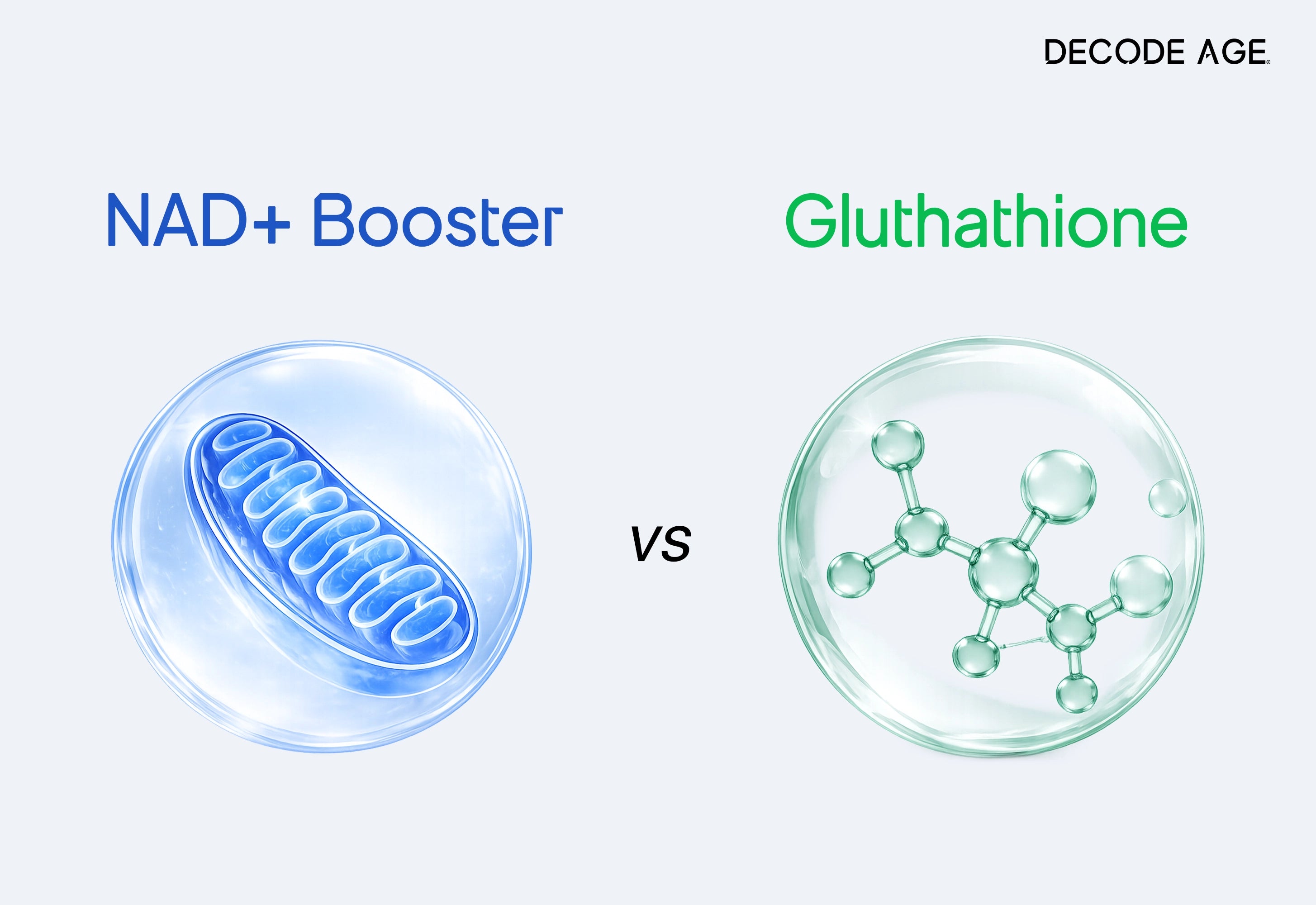
In the evolving landscape of anti-ageing supplements in 2026, two compounds consistently stand out: NAD+ boosters and glutathione. Both are essential to cellular health, yet they operate through very different biological mechanisms. Understanding how they function and how they complement each other can help you make a more informed decision based on your personal health goals.
If you’re considering a NAD+ Booster or exploring antioxidant-based support, it’s important to look beyond surface-level benefits and understand the underlying science.
The Science of Ageing: Energy Decline vs Oxidative Stress
Ageing is an interconnected process, but two of the most significant are declining cellular energy and increasing oxidative stress. NAD+ plays a central role in maintaining cellular energy by supporting the cell’s ability to produce energy and enabling ATP production. It also activates key longevity pathways, including sirtuins and PARPs, which are involved in DNA repair and cellular resilience (Verdin, 2015).
On the other hand, glutathione acts as the body’s primary antioxidant defence system. It neutralises free radicals, reduces inflammation, and supports the body's detoxification, particularly in the liver. As we age, levels of both NAD+ and glutathione decline, leading to reduced cellular efficiency and increased vulnerability to damage (Braidy et al., 2019).
This dual decline explains why both compounds are central to modern anti-ageing supplements, but their roles are fundamentally different.
How a NAD Booster Works at the Cellular Level
A NAD+ Booster increases NAD+ levels in the body using precursors like NMN (nicotinamide mononucleotide). These compounds are converted into NAD+ within cells, helping restore energy balance and improve metabolic efficiency.
Modern formulations have evolved to improve not just ingredient quality but also delivery and stability. For example, advanced NMN-based blends now focus on maintaining potency in varying conditions while combining similar compounds that support broader longevity pathways.
Glutathione: The Body’s Master Antioxidant
While a NAD+ Booster focuses on energy and repair, glutathione is primarily responsible for protection. It is a tripeptide composed of cysteine, glycine, and glutamic acid, and it plays a critical role in neutralising oxidative stress.
Glutathione supports:
- Detoxification of environmental toxins and metabolic waste
- Reduction of inflammation
- Protection of cells from oxidative damage
- Maintenance of immune function
Its ability to regenerate other antioxidants makes it especially powerful in maintaining cellular balance. However, unlike NAD+, glutathione does not directly influence energy production pathways. Instead, it works downstream to protect cells from the damage that often results from metabolic activity.
NAD+ and glutathione are closely connected in the body. A form of NAD+ called NADPH helps regenerate glutathione, keeping it active as an antioxidant. This means a NAD+ Booster can indirectly support your body’s antioxidant defence system. (Xiao et al., 2018)
Key Differences That Influence Your Choice
Understanding the functional differences between these compounds can help clarify which approach aligns better with your needs.
A NAD+ Booster works at a foundational level, improving mitochondrial efficiency, supporting DNA repair, and enhancing long-term cellular resilience. Its effects are gradual but deeply systemic, making it particularly relevant for those focused on longevity and performance.
Glutathione, in contrast, delivers more immediate effects by reducing oxidative stress and supporting detoxification. It is often associated with quicker, visible benefits such as improved skin clarity and reduced inflammation.
Another important difference is how they work. NAD+ helps control how your cells produce energy and function, while glutathione mainly protects your body by neutralising harmful substances.
Choosing Based on Your Health Goals
Choosing between these compounds depends on what your body needs most. If your goal is better energy, sharper focus, improved metabolism, and long-term ageing support, a NAD+ Booster can be highly effective. It works at a cellular level by enhancing mitochondrial function and supporting repair processes.
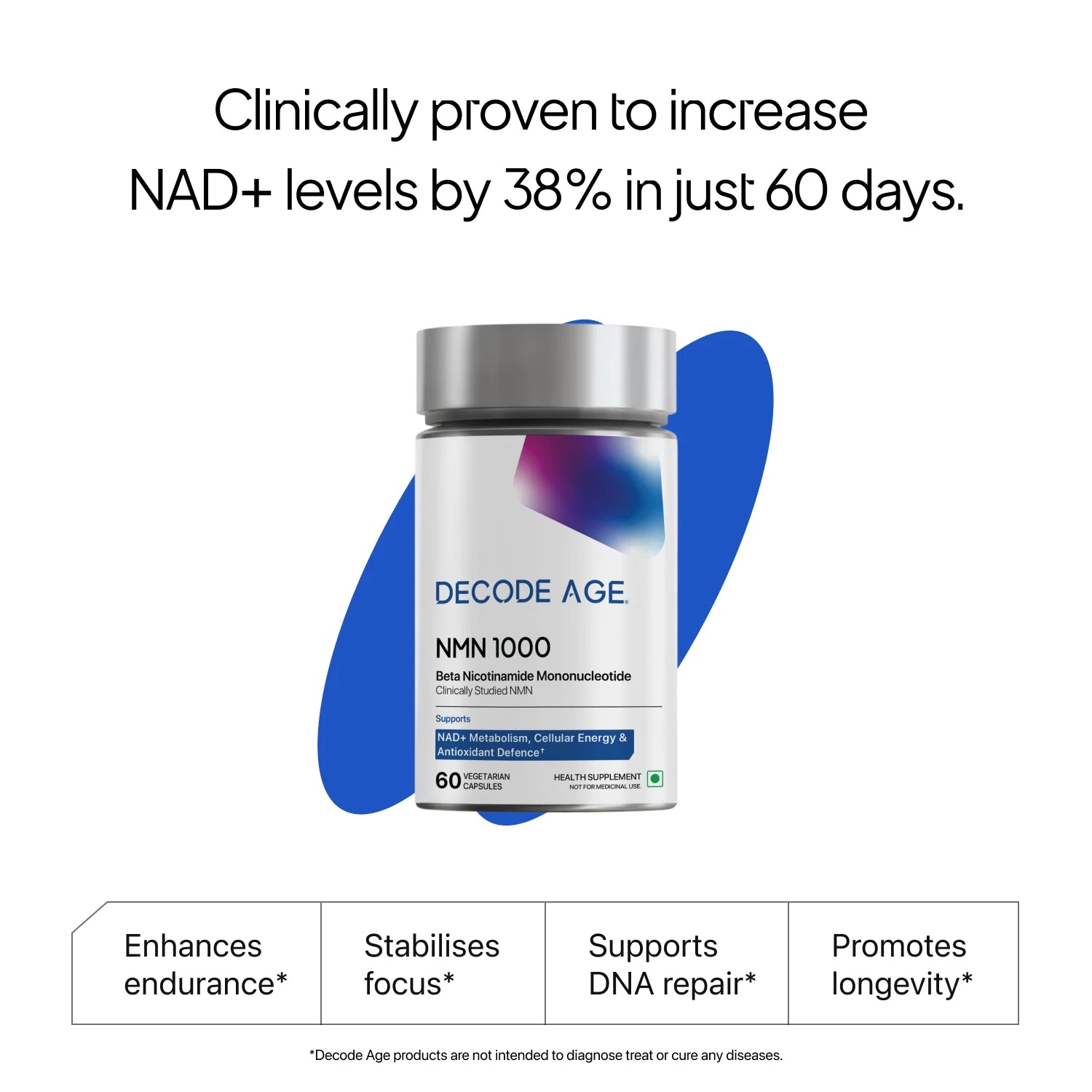
Advanced NMN-based supplements, such as Decode Age’s NMN is designed with high-purity ingredients that ensure better absorption and consistent results, which is especially important in Indian climate conditions.
If your focus is detoxification, skin health, or reducing stress-related damage, glutathione may be more suitable. However, both serve different purposes, so your choice should align with whether you need deeper cellular optimisation or immediate antioxidant protection.
The Case for a Combined Approach
NAD+ and glutathione work best when used together because they support different but connected pathways. A NAD+ Booster increases cellular energy and activity, which can also raise oxidative byproducts. Glutathione helps neutralise these, maintaining balance. This is why modern anti-ageing supplements increasingly focus on combining energy support with antioxidant defence.
The Bottom Line
Choosing between glutathione and an NAD+ Booster depends on your primary health needs. NAD+ supports deep cellular repair, energy production, and long-term resilience, while glutathione helps with detoxification, inflammation control, and antioxidant defence.
However, the most effective approach is not choosing one over the other, but understanding how they work together. As anti-ageing supplements 2026 evolve, the focus is on boosting energy, protecting cells, and supporting overall cellular health.
FAQ’s
-
What is a NAD+ Booster, and how does it help with ageing?
A NAD+ Booster increases NAD+ levels using precursors like NMN, supporting energy production, DNA repair, and cellular resilience, making it a key component in long-term anti-ageing and metabolic health strategies.
-
How is glutathione different from a NAD+ Booster?
Glutathione works as an antioxidant, helping detoxify the body and reduce oxidative stress, while a NAD+ Booster focuses on improving cellular energy, repair mechanisms, and overall metabolic efficiency.
-
Can NAD+ Boosters and glutathione be taken together?
Yes, combining a NAD+ Booster with glutathione can be beneficial, as NAD+ enhances energy production while glutathione neutralises oxidative byproducts, creating a balanced approach to cellular health and ageing.
-
Who should consider taking a NAD+ Booster?
Individuals experiencing low energy, brain fog, metabolic slowdown, or those focused on longevity and performance may benefit from a NAD+ Booster to support cellular repair and mitochondrial function.
-
Why is NMN commonly used in NAD+ Boosters?
NMN is a direct precursor to NAD+, allowing efficient conversion within cells. High-purity NMN formulations improve absorption and stability, making them effective for supporting NAD+ levels and long-term cellular health.

Leave a comment
All comments are moderated before being published.
This site is protected by hCaptcha and the hCaptcha Privacy Policy and Terms of Service apply.