
Ageing is a natural process, but research has revealed ways to slow its effects and support healthy longevity. NMN (Nicotinamide Mononucleotide) and resveratrol are two of the most studied compounds for cellular health and energy metabolism. Taken at the right time, they work together to support the body's natural rhythms rather than fight against them.
When to Take NMN Supplement
Morning Benefits
When to take the NMN supplement can also depend on your age and daily rhythm. Younger adults generally do well taking it in the morning on an empty stomach, or about six hours after waking. Older adults sometimes shift NMN to the evening instead, if they notice it supports better sleep and recovery at that end of the day.
What Affects NMN Absorption
| Factor | Impact on Absorption | Recommendation |
|---|---|---|
| Food intake | Slows absorption | Take on an empty stomach |
| Dietary fat | Reduces uptake | Avoid taking with fatty meals |
| Gut health | Supports metabolism | Keep a healthy microbiome |
| Other supplements | Alters bioavailability | Space out supplement timing |
Piperine can help the body absorb NMN more effectively, and a balanced gut microbiome plays a supporting role, too. Natural NMN levels in food are extremely low, ranging from roughly 0.035–1.88 mg per 100 g in vegetables and 0.021–1.6 mg per 100 g in fruits, which is exactly why supplement timing matters more than diet alone.
For best results, take NMN on an empty stomach, maintain a regular daily schedule, and consider pairing it with an absorption enhancer such as piperine.
When to Take Resveratrol
Taking Resveratrol with Food
| Meal Type | Timing | Benefit |
|---|---|---|
| Largest meal | With meal | Steadier absorption alongside a fuller meal |
| High-carbohydrate meal | With meal | Helps manage blood sugar response |
| Pre-workout meal | About 1 hour before | May support exercise performance and recovery |
| Meal with healthy fats | With meal | Enhances absorption |
Taken with food, resveratrol's peak concentration in the body occurs around two hours after consumption, compared to about 30 minutes on an empty stomach, though total absorption ends up similar either way. To maximise uptake, pair your dose with a small amount of fat, even if you're practising intermittent fasting.
Evening vs. Morning Intake
| Age Group | Recommended Timing | Why |
|---|---|---|
| Younger adults | Evening/night | May support cellular repair during sleep |
| Older adults | Midday | Matches peak metabolic activity |
| Active individuals | Morning or pre-workout | May enhance exercise benefits |
Resveratrol activates SIRT1, which helps regulate the body's circadian clock genes, this is part of why an evening dose is linked to improved sleep quality in research, while a morning dose is more associated with antioxidant support through the day. For exercise, taking resveratrol around 60 minutes before a workout has been studied for its effect on exercise performance, so "about an hour before training" is a reasonable window if that's your goal.
Adjust your resveratrol schedule to fit your routine, and space it out from other supplements or medications to avoid interactions.
When to Take NMN and Resveratrol Together
How They Work Together
NMN raises NAD⁺ levels; resveratrol activates sirtuins, the proteins involved in cell repair and longevity. Together, they amplify each other's effects. Resveratrol can increase sirtuin activity up to 13-fold, and the NAD⁺ from NMN ensures those sirtuins have the fuel to do their job.
Best Times for Both Supplements
| Timing | Details | Benefit |
|---|---|---|
| Early morning | With breakfast | Aligns with the circadian rhythm |
| With fats | Avocado, nuts, olive oil | Improves resveratrol uptake |
| Before 10 AM | Empty or light stomach | Supports NMN absorption |
This is also the pattern longevity researcher David Sinclair has publicly described for his own routine, NMN and resveratrol together, in the morning, with a bit of fat to help the resveratrol absorb.
Safety and Interactions
| Supplement | Safe Daily Dosage | Duration Studied |
|---|---|---|
| NMN | Up to 1,200 mg | Several months |
| Resveratrol | Up to 1,500 mg | Several months |
- Resveratrol might slow blood clotting and could interact with blood thinners.
- Use caution if you have hormone-sensitive conditions.
- Stop taking resveratrol at least two weeks before surgery.
- Doses above 2,000 mg may cause stomach discomfort.
Dosage and Safety
Daily Dosage Guide
| Age Group | Starting Dose | Maximum Daily Dose |
|---|---|---|
| Under 35 | 250 mg | 500 mg |
| Over 35 | 500 mg | 1,000 mg |
A 2015 meta-analysis of six randomised controlled trials found that resveratrol doses of 150 mg/day or higher significantly lowered systolic blood pressure (by roughly 11.9 mmHg on average), while lower doses showed no significant effect. One reason dosage, and not just timing, matters for people managing blood pressure.
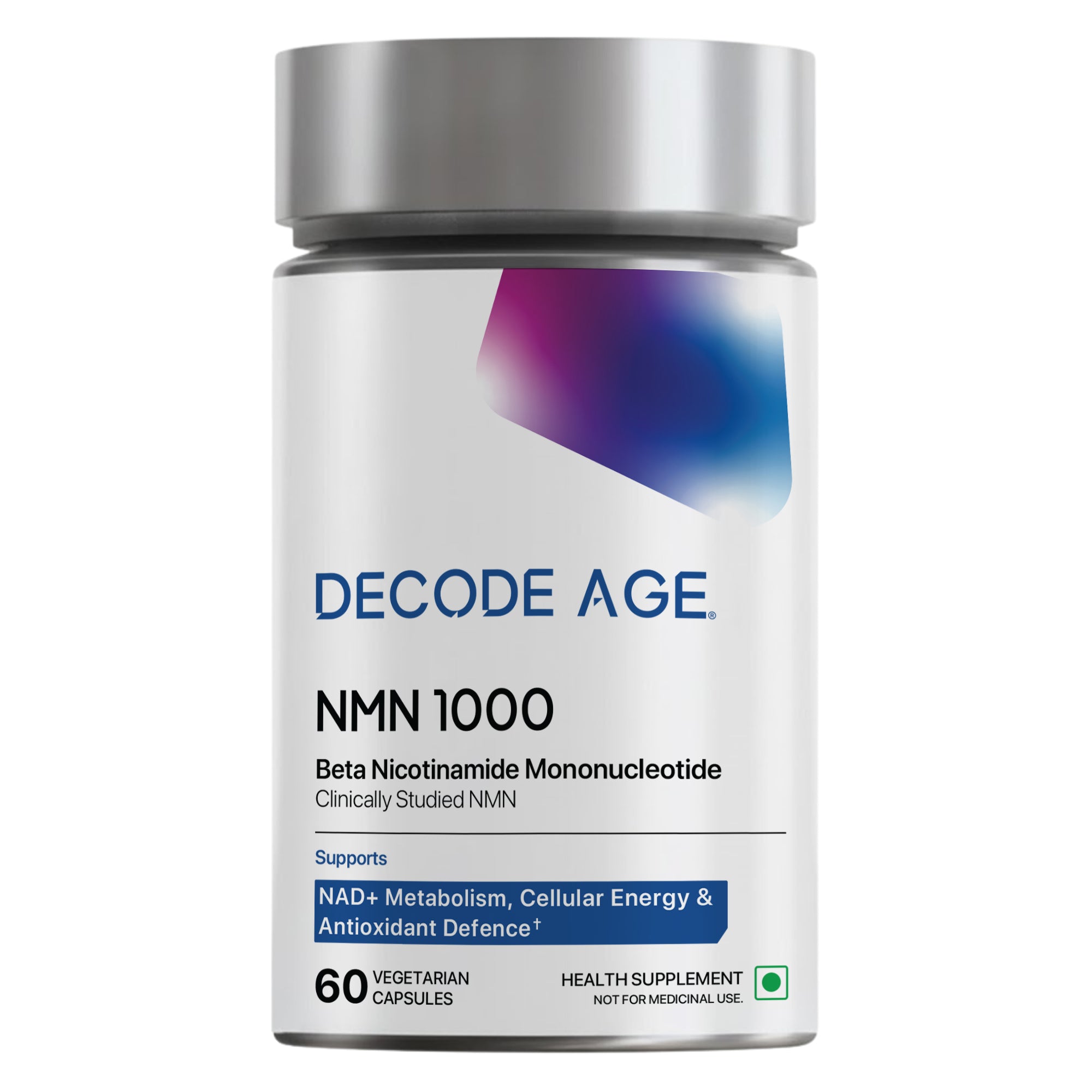
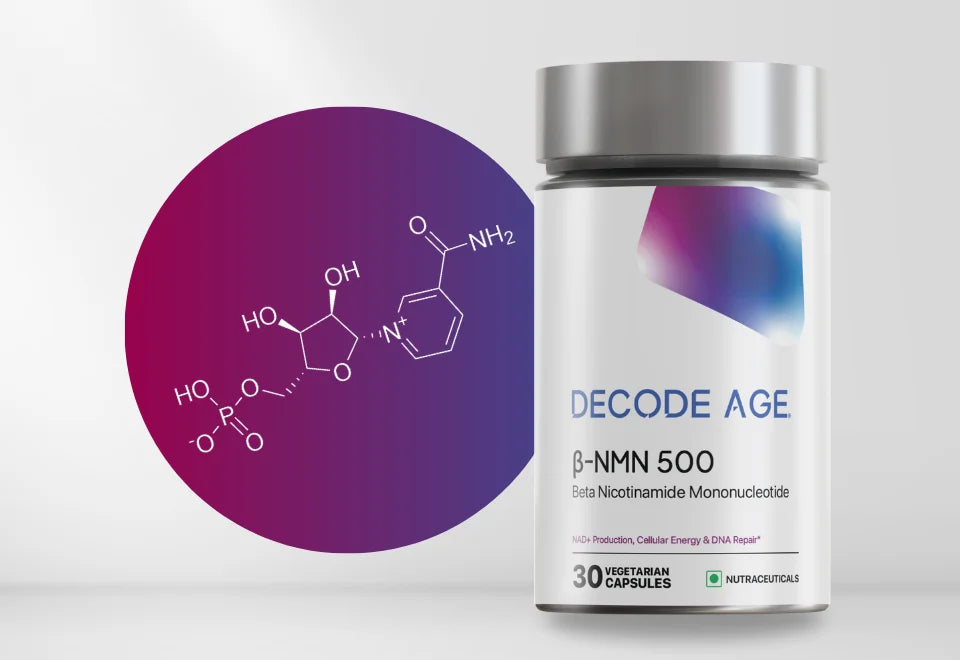
NAD⁺ can't be delivered directly into cells by mouth or IV, cells have no transporter for the intact molecule. What they do have is a receptor for NMN, its precursor: a surface protein that binds NMN and shuttles it inside, where cellular enzymes convert it into NAD⁺. That's the biological reason NMN, not NAD⁺ itself, is the supplement of choice.
Safety Guidelines
NMN: human studies show doses up to 1,250 mg per day with no reported side effects. Choose third-party-tested products from trusted brands, start with a smaller dose and increase gradually, and take it in the morning to match your body's natural rhythm.
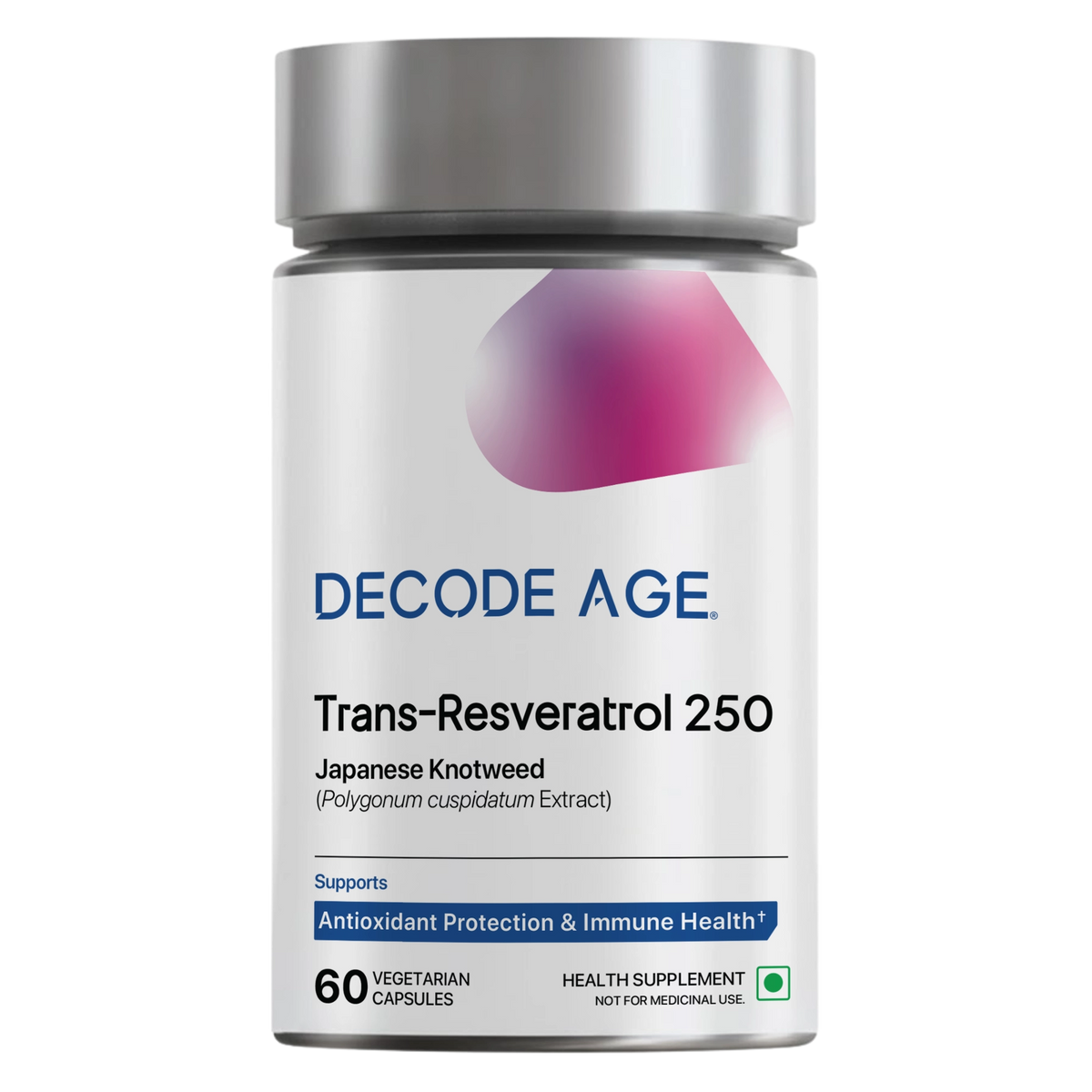
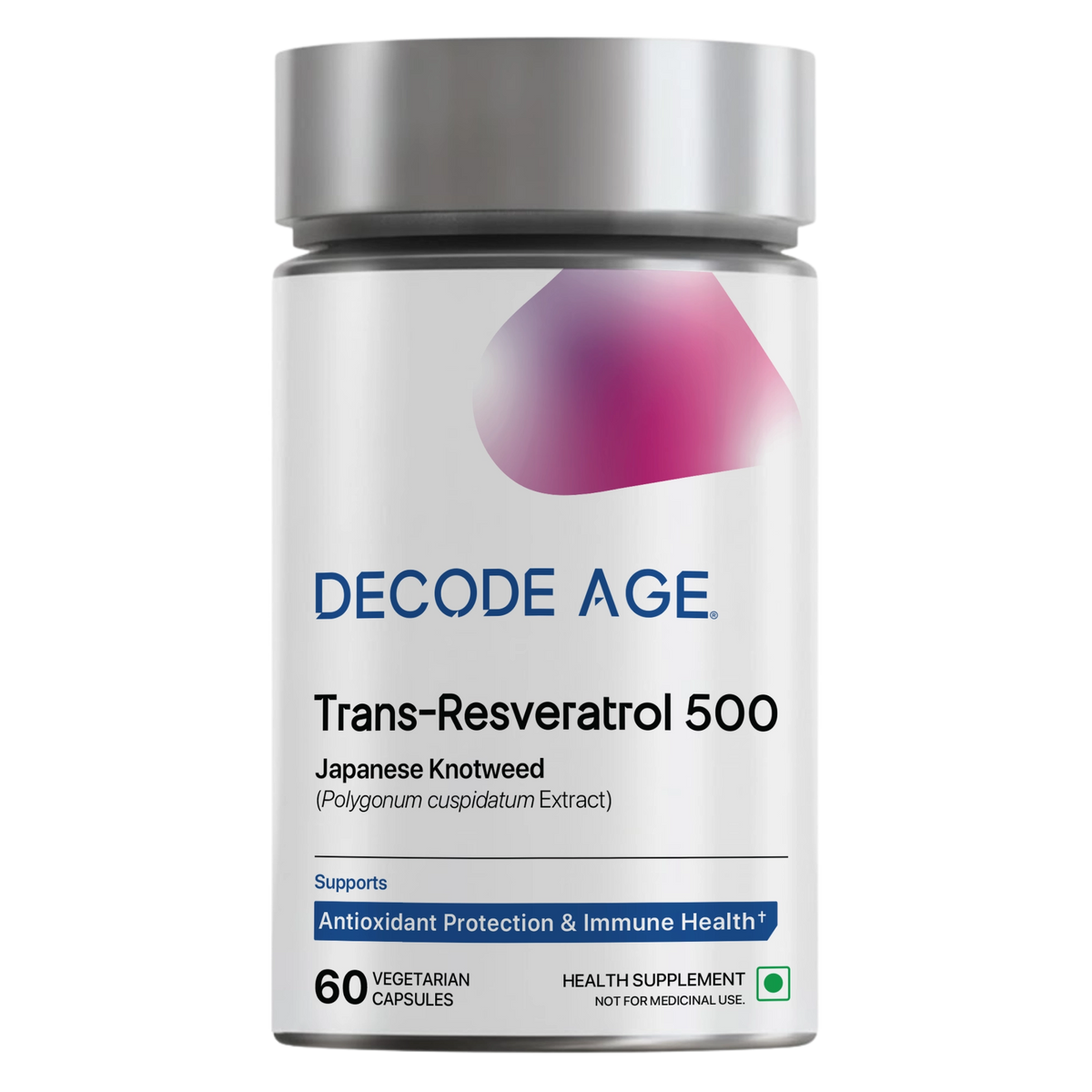
Resveratrol: typical doses are considered safe, but more than 2,000 mg may cause digestive issues. If you have a bleeding disorder, hormone-sensitive condition, or liver disease, proceed with caution; resveratrol can interact with anticoagulants, blood pressure medication, antihistamines, and antiarrhythmics.
Always consult a healthcare professional before adding any new supplement to your routine.
Conclusion
Timing is a big part of getting the most out of NMN and resveratrol. Get the schedule and dosage right, and you make it much easier for these two compounds to do the job they're designed for.
Creating Your Schedule
- Early morning: take both NMN and resveratrol to sync with your body's natural 24-hour clock, which governs sleep, energy, and other core processes.
- With meals: pair resveratrol with a fat-containing breakfast, yoghurt, nuts, or a drizzle of olive oil, all work.
Stick to a consistent schedule day to day; consistency matters at least as much as the exact hour you choose.
FAQs
What is the best time to take an NMN supplement?
Morning, on an empty stomach, roughly 20–30 minutes before breakfast. This matches your body's natural NAD⁺ cycle and avoids food slowing absorption.
When to take the NMN supplement, morning or night?
Morning works best for most people. Some older adults prefer an evening dose if they find it helps with sleep and recovery. Instead, either way, pick one window and stay consistent.
What is the best time of day to take NMN?
Early morning, on an empty or near-empty stomach, is the best time of day to take NMN for most adults.
Should NMN be taken with food?
No, NMN is best absorbed on an empty stomach, since food (especially fat) can slow its uptake.
When to take resveratrol?
With a meal that contains healthy fats, since resveratrol is fat-soluble and absorbs poorly on its own. Morning suits antioxidant support through the day; evening may suit those prioritising sleep.
Why should you take resveratrol with fat-rich foods?
Resveratrol is fat-soluble, so it absorbs better with healthy fats like avocado, nuts, or olive oil.
When to take NMN and resveratrol together?
Early morning, with a light, fat-containing breakfast, NMN on a near-empty stomach and resveratrol alongside a touch of fat, in the same window, for circadian-rhythm synergy.



1 comment
Atharva Ranadive
I am 27 yr old. Healthy, good metabolism, physically active. What would be the NMN and resveratrol dose suggested for me?
Leave a comment
All comments are moderated before being published.
This site is protected by hCaptcha and the hCaptcha Privacy Policy and Terms of Service apply.