




Magnesium and zinc are two essential minerals that are often discussed in relation to sleep. They have different roles in the body, but both are involved in processes linked to relaxation, neurotransmitter function, and normal sleep-wake regulation.
Taking them together before bed can be a practical option for people who already use supplements as part of an evening routine. The more important considerations are your total daily intake, the form you choose, whether zinc causes nausea, and whether any medicines or other supplements need to be spaced apart.
Can Supplements Support Better Sleep?
Supplements are not sedatives, and they cannot replace a consistent sleep schedule, medical assessment, or treatment for persistent insomnia. However, when someone has a low dietary intake or deficiency, correcting it may support normal biological processes that influence sleep quality.
Magnesium is involved in nervous-system regulation, muscle function, and enzymatic reactions related to the sleep-wake cycle. Zinc contributes to immune function, protein synthesis, wound healing, neurotransmitter activity, and melatonin-related pathways.
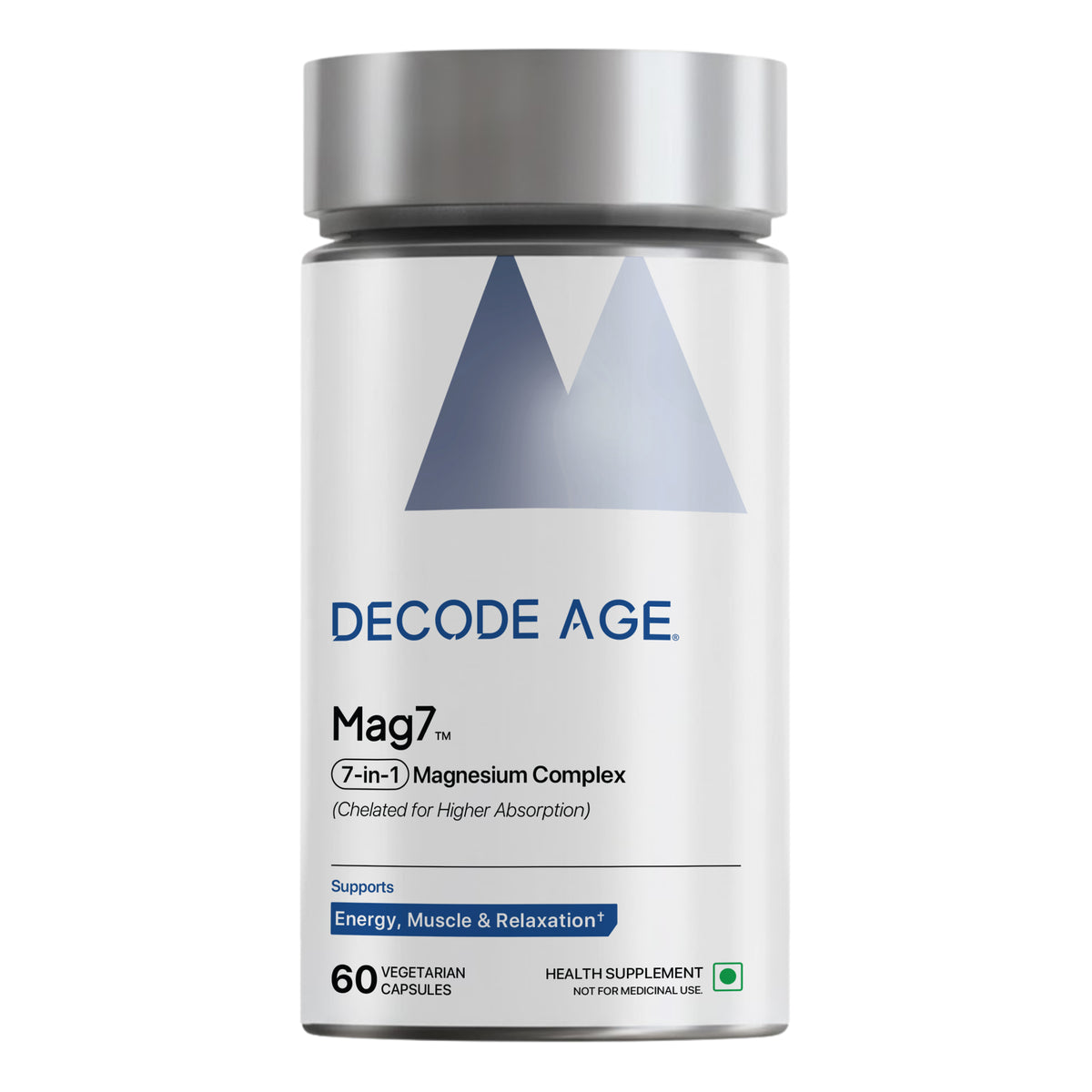
Shop Now: Complete Magnesium - Mag7
For sleep, the goal is not to create a complicated night-time stack. It is to build a routine that is comfortable, safe, and consistent.
Can You Take Zinc at Night?
Yes, you can take zinc at night. There is no established rule that zinc must be taken in the morning. If taking it in the evening suits your routine and does not cause nausea, it can be taken at that time.
Zinc is an essential mineral that the body needs regularly, but does not store in large amounts. The NIH zinc fact sheet outlines its recognised roles and intake guidance.
The main practical concern is tolerance. Zinc may cause nausea when taken on an empty stomach, particularly at higher doses. If this happens, take it with dinner or a light snack rather than forcing a bedtime routine that makes you uncomfortable.
Why zinc intake may be low for some people
Zinc absorption from plant foods can be lower because phytates in grains and legumes bind to zinc. This is particularly relevant for people following vegetarian or vegan diets, as well as those whose diets are heavily based on cereals and processed carbohydrates.
That does not mean plant-based diets are inadequate, but it does mean that food choices, preparation methods and total dietary intake matter. Pulses, dairy, seeds, nuts and fortified foods can all contribute to zinc intake.
What Zinc Does for Sleep
Zinc is involved in neurotransmitter activity and pathways related to melatonin production. It may also influence NMDA receptors in the brain, which are involved in neural signalling and sleep architecture.
A review by Cherasse and Urade (2017) discussed links between zinc status, zinc intake and sleep quality. The relationship appears to be bidirectional: poor or short sleep may affect zinc status, while inadequate zinc intake may be associated with poorer sleep outcomes.
It is important not to treat this as proof that zinc will improve sleep for everyone. The most relevant benefit is likely for people whose dietary intake is low or who have a clinically identified deficiency.
What Magnesium Does for Sleep
Magnesium is involved in many processes that help regulate the nervous system. It supports GABA-related activity, which is associated with calming neural signalling, and it also contributes to normal muscle function.
For some people, inadequate magnesium intake may coincide with muscle cramps, restlessness or difficulty winding down at night. Magnesium is also involved in enzymatic reactions that support the body’s sleep-wake cycle.
A 2012 randomised study in older adults with insomnia found that magnesium supplementation was associated with improvements in several sleep measures, including sleep onset and sleep duration. The study also reported higher melatonin levels in the magnesium group than in the placebo group.
Magnesium intake in India
Magnesium does not always appear on routine blood tests, and serum magnesium may not reflect total magnesium status in the body. According to ICMR-NIN recommendations, adult men generally need around 440 mg per day and adult women around 370 mg per day from all dietary sources.
Dietary intake can be low when meals contain few nuts, seeds, legumes, leafy vegetables, and whole grains. Highly refined diets may also provide less magnesium than diets built around whole foods.
Why Magnesium and Zinc Are Discussed Together for Sleep
Magnesium and zinc are often combined because they support different processes that may be relevant to sleep. Magnesium is more closely associated with nervous-system regulation and muscle function, while zinc is involved in neurotransmitter and melatonin-related pathways.
The two minerals do not have to be seen as a single sleep treatment. Instead, they can be viewed as complementary nutrients that may be useful when a person’s intake is low, their diet is limited, or they want a simple evening supplement routine.
A randomised, double-blind study by Rondanelli et al. (2011) examined a combination of melatonin, magnesium and zinc in older adults with insomnia. The treatment group showed improved Pittsburgh Sleep Quality Index scores compared with placebo. However, because melatonin was also included, this study cannot show that magnesium and zinc alone produced the effect.
Potential Benefits of Taking Zinc and Magnesium at Night
- Support for an evening routine: Taking supplements at the same time each evening can make a routine easier to maintain.
- Normal nervous-system function: Magnesium contributes to processes involved in relaxation and normal neural signalling.
- Muscle function: Magnesium supports normal muscle function and may be relevant for people who experience cramps or restlessness at night.
- Nutrient adequacy: Zinc and magnesium supplements can help close nutritional gaps when food intake is insufficient.
- Sleep-quality support: Correcting low intake may support sleep quality in some people, particularly when poor intake is part of the wider picture.
Can You Take Zinc and Magnesium With Other Supplements?
Most healthy adults can take zinc and magnesium as part of the same evening routine at typical supplemental doses. However, zinc may compete with other minerals for absorption, and both minerals can interact with certain medicines.
| Supplement or medicine | What to consider | Practical approach |
|---|---|---|
| Iron supplements | Iron and zinc may compete for absorption. | Take them at separate times unless a clinician has given you a specific schedule. |
| High-dose calcium supplements | Calcium may affect mineral absorption when taken together in large amounts. | Separate calcium from zinc and magnesium where possible. |
| Multivitamins and immunity products | These may already contain zinc and magnesium. | Check labels to avoid unintentionally taking excessive amounts. |
| Antibiotics | Zinc and magnesium can interact with some quinolone and tetracycline antibiotics. | Ask your doctor or pharmacist how many hours apart to take them. |
| Penicillamine or prescription medicines | Minerals may alter absorption or effectiveness of certain medicines. | Confirm a safe schedule with a pharmacist or clinician. |
The NIH Office of Dietary Supplements provides further information on zinc interactions.
Should zinc be taken with food or on an empty stomach?
Zinc is generally absorbed better away from meals because food components can reduce absorption. A controlled study found that zinc taken with food resulted in a lower rise in plasma zinc than zinc taken while fasted. Read the study on PubMed.
However, absorption is not the only consideration. Zinc can cause nausea on an empty stomach, so the most sustainable approach is the one you tolerate well.
| Your situation | A sensible approach |
|---|---|
| You tolerate zinc well | Take it away from a meal, including in the evening if that suits your routine. |
| Zinc causes nausea | Take it with dinner or a small snack. |
| You use iron or high-dose calcium | Take them at a separate time where possible. |
| If you take antibiotics or prescription medicines | Confirm supplement spacing with a pharmacist, doctor or clinician. |
How to Take Zinc and Magnesium at Night
The best routine is one that fits your lifestyle, stays within safe intake limits and does not interfere with medicines or digestion.
Daily intake guidance
The values below refer to general adult nutrient requirements from all sources, including food and supplements. Individual needs may differ based on age, dietary pattern, pregnancy, medical conditions and clinician guidance.
| Group | Magnesium daily requirement | Zinc daily requirement | Important note |
|---|---|---|---|
| Adult men | Approximately 400 to 420 mg per day from all sources | Approximately 11 mg per day from all sources | Requirements may vary with age and dietary intake. |
| Adult women | Approximately 310 to 320 mg per day from all sources | Approximately 8 mg per day from all sources | Requirements increase during pregnancy and breastfeeding. |
| Upper limit from supplements | 350 mg per day of elemental magnesium from supplements for adults | 40 mg per day of zinc for adults | Do not exceed these limits without clinical advice. |
Note on elemental magnesium: Always check whether the label states elemental magnesium or the total weight of the magnesium compound. For example, a product may list magnesium glycinate as the compound, while the actual elemental magnesium amount is lower.
Choosing a magnesium form
| Magnesium form | Common reason people choose it | What to keep in mind |
|---|---|---|
| Magnesium bisglycinate | Often selected for evening routines and general tolerance. | Individual responses vary, but it is commonly considered gentler on the stomach. |
| Magnesium taurate | Used by people seeking magnesium with taurine. | Sleep-specific evidence remains limited. |
| Magnesium citrate | Commonly used for general supplementation and digestive support. | May cause loose stools in some people. |
| Magnesium malate | Used for general supplementation. | Some people prefer taking it earlier in the day. |
| Magnesium L-threonate | Often chosen for cognitive-health interest. | It usually provides a smaller amount of elemental magnesium per serving. |
| Magnesium oxide | Commonly used for constipation and lower-cost supplementation. | More likely to cause digestive side effects. |
For a broader comparison, read Decode Age’s guide to magnesium supplements.
A simple evening routine
- Take zinc with dinner or a light snack if you are prone to nausea.
- Take magnesium in the evening if this timing feels comfortable for you.
- Check your multivitamin, immunity formula, and beauty supplements for additional zinc or magnesium.
- Keep iron and high-dose calcium supplements separate where possible.
- Ask a pharmacist about supplement spacing if you take antibiotics or other prescription medicines.
- Do not increase the dose simply because you do not notice an immediate change in sleep.
For more on magnesium forms and their use in an evening routine, see Decode Age’s magnesium glycinate and L-threonate guide for sleep.
Frequently Asked Questions
Can I take zinc and magnesium at the same time?
Most healthy adults can generally take zinc and magnesium in the same evening routine at typical supplemental doses. If zinc causes nausea, take it with a light snack. Avoid taking it alongside high-dose iron or calcium where possible, and seek advice if you take prescription medicines.
Can I take zinc at night every day?
You can take zinc at night if it suits your routine and stays within recommended intake limits. Long-term high-dose zinc supplementation should only be used with clinical guidance because excessive zinc can affect copper absorption.
What is the best magnesium form for sleep?
There is no single best form for every person. Magnesium bisglycinate is often chosen because it is generally well tolerated, while magnesium citrate may be more likely to cause digestive effects. Look for a clear label that states the elemental magnesium amount.
Does magnesium increase melatonin?
Magnesium is involved in processes related to the sleep-wake cycle and melatonin production. Some clinical research has reported higher melatonin levels with magnesium supplementation in specific study groups, but magnesium should not be treated as a replacement for medical care for insomnia.
Is it better to take zinc in the morning or at night?
There is no universal best time. Zinc can be taken in the morning or at night. The most suitable timing is one you can follow consistently without nausea and without interfering with other supplements or medicines.
What happens if I take zinc on an empty stomach?
Zinc can cause nausea or stomach discomfort when taken on an empty stomach, especially at higher doses. If this happens, take it with a small snack or meal.
This article is for informational purposes only and is not intended to diagnose, treat, cure or prevent any disease or health condition. The information provided does not constitute medical advice. Consult a qualified healthcare professional before starting a new supplement regimen, particularly if you are pregnant, breastfeeding, taking medication or have an underlying health condition.





3 comments
Donna Thorpe
Thank you,
For helping us to understand the reasons of taking Magnesium Glycinate and Zinc together in the evenings before bedtime.
I had also been taking Calcium, so now I will take Calcium at a different time of day ( lunch time)
Calcium is not to be taken with Thyroid medication either which is a morning medication.
Reinaldo Reguera
Excelente descripción del medicamento y sobre todos muy explicativo ,muy interesante, más claro agua.
Nina Arvanitidis
This was the best online summary I have read about magnesium and zinc after combing through many different sources. Very thoughtfully and succinctly laid out information. Thank you!
Leave a comment
All comments are moderated before being published.
This site is protected by hCaptcha and the hCaptcha Privacy Policy and Terms of Service apply.