



After 50, a woman's nutritional priorities can change. Menopause, changes in bone health, dietary habits, and the body's ability to absorb certain nutrients can all influence which vitamins and minerals deserve attention.
Among the nutrients worth reviewing are vitamin D3, calcium, B-complex, and magnesium. Each supports essential functions, from maintaining strong bones to supporting normal muscle and nerve activity.
Understanding what each nutrient does, why it matters with age, and what the research suggests can help you make more informed choices.
Why Nutritional Needs Can Change After 50
One of the most significant changes around menopause is the decline in estrogen levels. Estrogen helps regulate bone renewal, and its decline can accelerate bone loss, making bone health an important priority.
Ageing can also affect how efficiently certain nutrients are absorbed. For example, some older adults develop digestive changes that make it harder to absorb vitamin B12 naturally present in food.
Dietary habits matter, too. Reduced appetite, limited food variety, vegetarian diets, and long-term use of some medicines may increase the likelihood of inadequate nutrient intake or absorption.
The Indian Menopause Society's 2026 guidelines highlight the importance of adequate nutrition, particularly calcium and vitamin D, as part of maintaining bone health after menopause.
This makes nutritional planning increasingly relevant, with supplementation offering an option when additional support is needed.
For the wider foundations that support healthy ageing, explore how nutrition affects biological age.

Four Nutrients Worth Reviewing After 50
1. Vitamin D3: Supporting Bone and Muscle Health
Vitamin D helps the body absorb calcium, making it essential for maintaining healthy bones. It also contributes to normal muscle function.
As we age, the skin becomes less efficient at producing vitamin D from sunlight. Limited sun exposure, low dietary intake, and certain digestive conditions may further increase the risk of inadequate vitamin D levels.
For practical timing guidance, read the best time to take vitamin D. If you are comparing a D3-K2-A-E formula, see DAKE 600 IU Multivitamin for its ingredient and label information.
Vitamin D3 supplementation can help improve vitamin D status when intake or levels are insufficient. However, improving a nutrient level and preventing fractures are not necessarily the same outcome.
The 2022 clinical trial involving more than 25,000 generally healthy adults found that vitamin D3 supplementation did not significantly reduce fractures in participants who were not specifically selected for vitamin D deficiency or osteoporosis.
What this means for women over 50: Vitamin D3 remains important for maintaining adequate vitamin D levels and supporting bone health. The need for supplementation depends on factors such as dietary intake, sun exposure, existing health conditions, and clinical assessment.
2. Calcium: Maintaining Bone Strength After Menopause
Calcium provides structural support to bones and teeth while contributing to normal muscle and nerve function.
Following menopause, declining estrogen levels can accelerate bone loss. Maintaining adequate calcium intake is therefore an important part of long-term bone-health planning.
Calcium can be obtained through milk, curd, calcium-fortified foods, calcium-set tofu, ragi, sesame seeds, and selected leafy vegetables. However, the amount available to the body varies across foods.
The Indian Menopause Society's 2026 guidance emphasizes assessing dietary calcium intake and using locally available food sources, with supplementation considered when needed.
Research also shows why individual circumstances matter. A 2023 systematic review found that vitamin D supplementation, alone or combined with calcium, improved some bone-health measurements in postmenopausal women without osteoporosis. However, the evidence did not establish a consistent reduction in fracture risk.
What this means for women over 50: Calcium supports bone maintenance, and supplementation can be useful when dietary intake falls short or additional calcium is part of a clinician-recommended plan.
3. Vitamin B12: Supporting Nerves and Red Blood Cell Formation
Vitamin B12 is essential for healthy red blood cell formation, nerve function, and DNA production.
One reason B12 becomes especially relevant with age is that the body may become less efficient at absorbing the vitamin from food.
B12 naturally occurs in animal-derived foods such as dairy products, eggs, fish, and meat. People following vegetarian or vegan diets may therefore need to pay particular attention to fortified foods or supplements.
Certain medicines, including metformin and some acid-reducing treatments, can also affect vitamin B12 status.
According to the NIH Office of Dietary Supplements, vitamin B12 in fortified foods and supplements is already present in a form that does not require the same initial digestive process needed to release B12 from food.
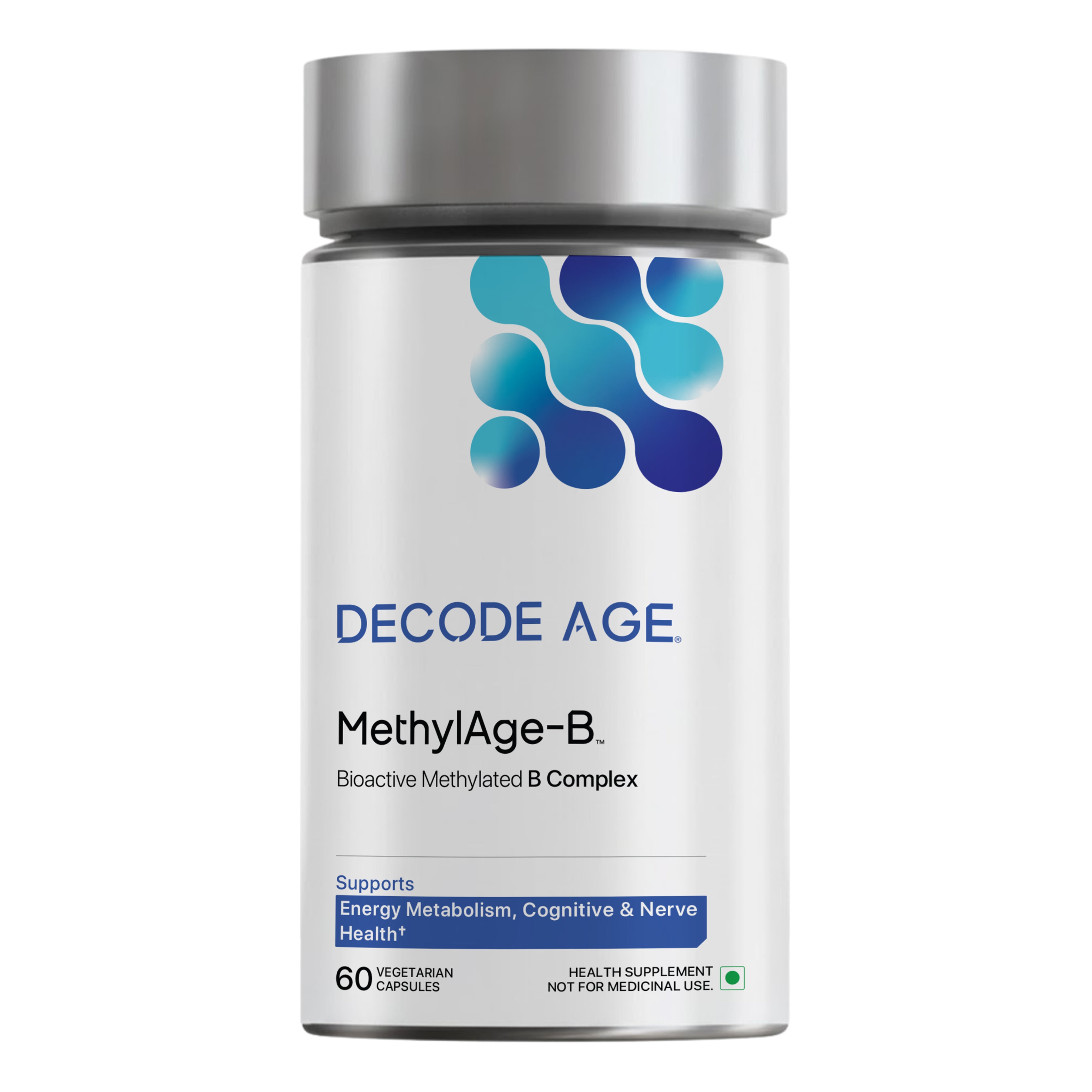
For a more detailed explanation of forms and labels, read Methylated B-Complex vs Regular B-Complex.
What this means for women over 50: Supplementation may be particularly relevant for women with low dietary intake, absorption difficulties, or medicine-related risk factors. Addressing B12 deficiency is important, but taking additional B12 does not automatically improve energy in someone who already has adequate levels.
4. Magnesium: Supporting Muscles, Nerves and Bone Health
Magnesium contributes to hundreds of normal processes in the body, including muscle contraction, nerve signaling, and maintaining healthy bones.
Foods such as nuts, seeds, pulses, whole grains, and green leafy vegetables provide magnesium. However, restricted diets and some medical conditions can affect magnesium intake or status.
Certain medicines, including some diuretics and long-term acid-reducing medicines, can also influence magnesium levels.
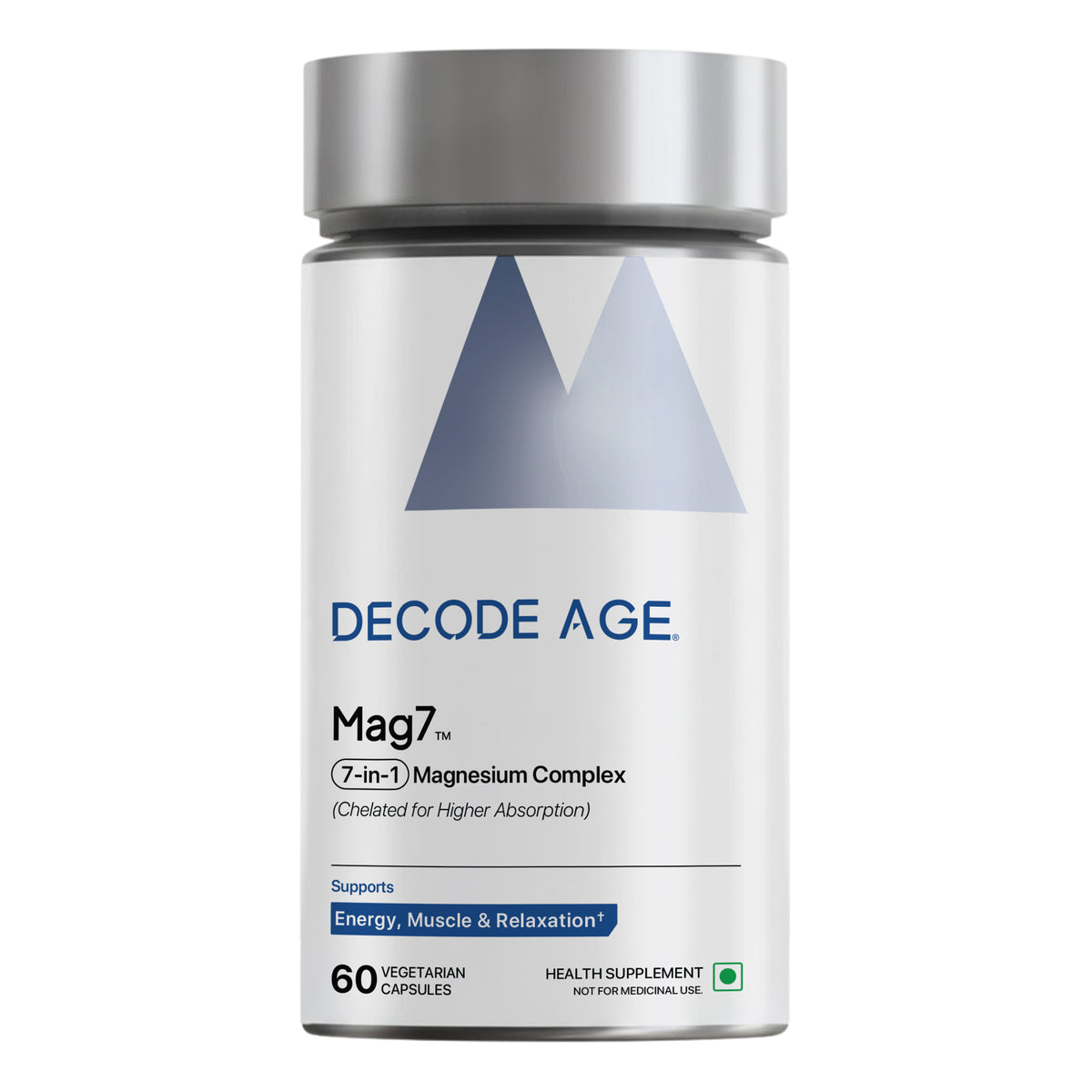
For a product designed around daily magnesium intake and relaxation support, explore Complete Magnesium, Mag7. You can also read the Huberman magnesium protocol to understand why magnesium forms and total intake matter.
Magnesium supplements are often discussed in relation to sleep, stress, and muscle cramps, but their effectiveness for these purposes is not firmly established for everyone.
The NIH magnesium guidance also highlights possible interactions with medicines and increased risks from excessive supplementation, particularly in people with impaired kidney function.
What this means for women over 50: Magnesium is an important nutrient for everyday muscle, nerve and bone function. Supplementation is most relevant when intake is insufficient, or an individual's health needs have been identified.
What Should You Be Careful About?
More supplementation does not always mean greater benefit.
High-dose vitamin D or calcium should not be added without considering existing intake and individual health circumstances. Similarly, iron supplementation after menopause should be guided by an identified need rather than fatigue alone.
Magnesium supplements may interact with certain medicines, while some products marketed for healthy ageing make claims that extend beyond available human research.
Choosing supplements based on a genuine nutritional purpose, suitable amounts, and reliable product information is a more useful approach than simply adding multiple products to your routine.
Choose 'Your' Supplement
After 50, maintaining adequate nutritional intake becomes an important part of supporting healthy ageing.
Vitamin D3, calcium, vitamin B12 and magnesium each contribute to important bodily functions. Their relevance can increase depending on menopausal changes, dietary patterns, absorption, and individual health circumstances.
Understanding these factors allows you to make informed supplementation decisions based on your needs and the available evidence.
Frequently Asked Questions
1. Which supplements are most important for women over 50?
Vitamin D3, calcium, vitamin B12, and magnesium are useful nutrients to review. However, individual requirements depend on diet, health history, medicines, and nutritional status.
2. Should women over 50 take vitamin D3 and calcium together?
Both nutrients support bone health, but not everyone requires both supplements. The decision depends on existing intake, bone-health risk, and individual circumstances.
3. Can vitamin B12 supplements help with tiredness?
Vitamin B12 deficiency can contribute to fatigue and anemia. Correcting a deficiency may help, but supplementation is not a proven energy booster for people with adequate B12 levels.
4. Is magnesium important after menopause?
Magnesium supports normal muscle and nerve function and contributes to bone health. Women with insufficient dietary intake or particular risk factors may benefit from reviewing their magnesium status.
5. Can I combine a multivitamin with individual supplements?
Sometimes, it is important to compare labels and total nutrient amounts to avoid taking unnecessary or excessive quantities of the same nutrients.



Leave a comment
All comments are moderated before being published.
This site is protected by hCaptcha and the hCaptcha Privacy Policy and Terms of Service apply.