







If you are a woman in your 30s or beyond and have recently noticed feeling more fatigued, mentally slower, or simply “not quite yourself,” you are not imagining it. These changes often reflect real biological shifts occurring inside the body.
One of the most important of these shifts involves a molecule called NAD+ (Nicotinamide Adenine Dinucleotide), a coenzyme present in every cell that plays a key role in energy metabolism, DNA repair, and cellular resilience.
Understanding how NAD+ levels change with age and how compounds such as NMN (Nicotinamide Mononucleotide) support NAD+ regeneration provides valuable insights into how women can maintain vitality, metabolic health, and longevity.
In this article, we will look into the biological changes women experience after 30, the NMN benefits for women, and emerging research on the benefits of NMN supplementation.
What Is Happening Inside the Body After 30?
Ageing is not a single event but a series of gradual changes that affect metabolism, hormonal balance, and the immune system.
Among the most important of these changes is the decline in NAD+, a coenzyme essential for:
- Helps your cells produce the energy your body needs to function
- Activates proteins that support healthy ageing
- Helps repair damage in your cells’ DNA
- Supports healthy metabolism and helps control inflammation
Research shows that NAD+ levels decline significantly with age. A landmark study demonstrated that tissue NAD+ concentrations may fall by nearly 50% between the ages of 40 and 60 (Massudi et al., 2012).
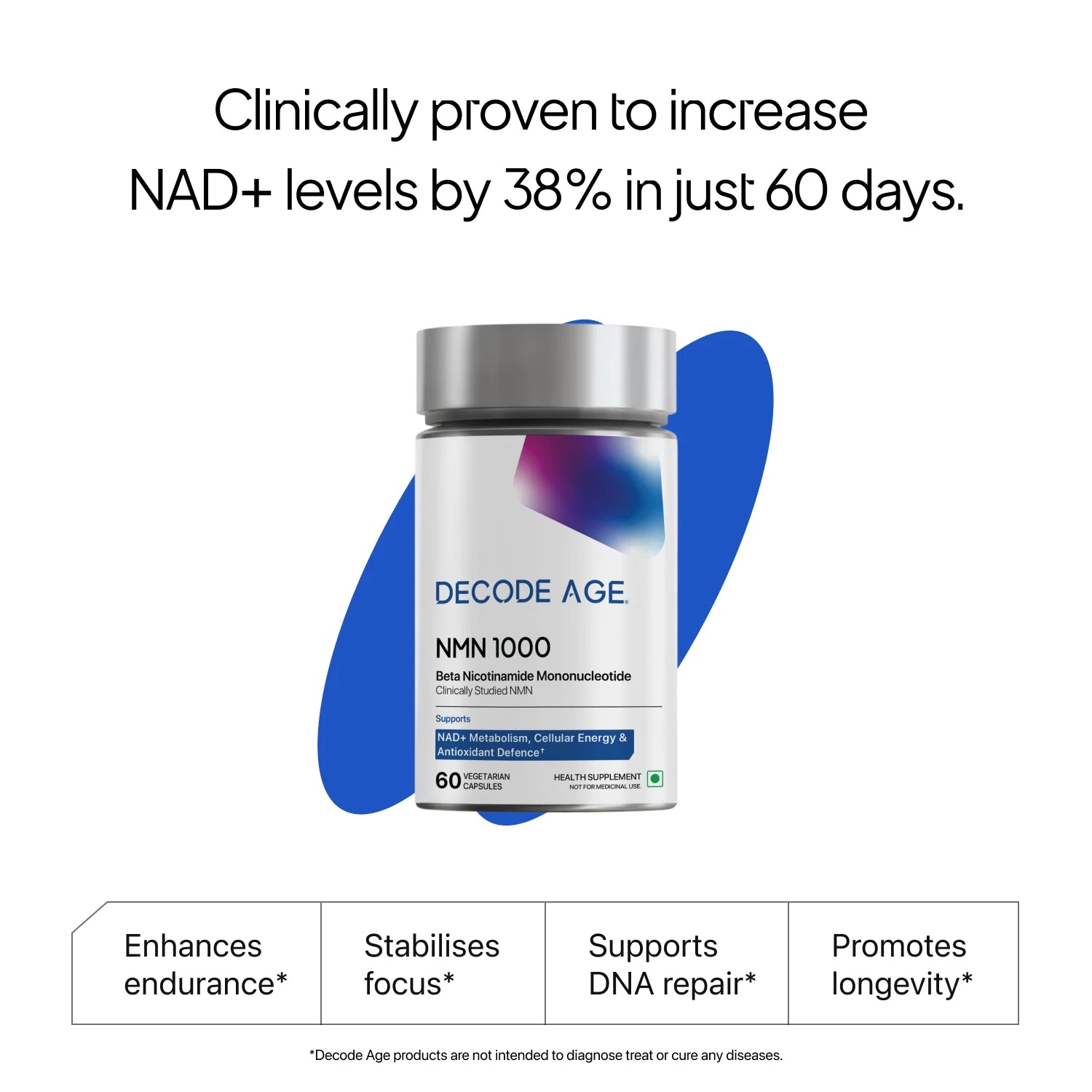
This is where NMN supplements become important. NMN provides the raw material your cells need to restore NAD+ levels, which naturally decline with age and disrupt vital biological functions, forming the scientific basis behind many NMN benefits for women. The efficacy of this approach was highlighted in a 2022 randomised clinical trial published in NPJ Ageing, which found that oral NMN supplementation significantly increased circulating NAD+ levels and was well tolerated in healthy adults (Yoshino et al., 2022).
Cellular Energy and the Mitochondrial Connection
One of the earliest and most noticeable symptoms women report in their 30s and 40s is persistent fatigue. Unlike temporary tiredness, this kind of exhaustion means your cells are not generating energy as effectively as they should. Mitochondria are a part of the cell that is responsible for generating energy, and rely heavily on NAD+ to drive metabolism.
So, when NAD+ declines:
- ATP production becomes less efficient
- Cellular repair slows
- Physical endurance decreases
- Recovery from stress or exertion takes longer
Hormonal Changes in Women and the NAD+ Connection
Women experience unique biological changes that lead to various fluctuations in hormone levels in the body, particularly changes in estrogen levels.
Estrogen plays an important regulatory role in:
- Mitochondrial function → How your cells produce energy
- Antioxidant defence systems → The body’s way of protecting cells from damage
- Glucose metabolism → How your body uses sugar for energy
-
Immune signalling → How your immune system communicates to protect you from illness
As women approach their late 30s and 40s, declining estrogen levels are often led by the decline in the overall NAD+ levels, which further contributes to persistent hormonal issues and various inflammations.
Emerging research suggests that NAD+ metabolism interacts closely with sirtuin enzymes (particularly SIRT1 and SIRT3), which are involved in producing the correct hormones, producing healthy cells and managing the body's stress response.
By increasing NAD+ availability, the positives experienced by women go as far as supporting these functions at a foundational level, which is why NMN benefits for women are gaining increasing attention in longevity research. It’s important to note that NMN is not a hormone therapy. Instead, it supports cellular systems that help the body adapt to age-related hormonal shifts.
Skin Ageing: A Visible Marker of Cellular Decline
The skin is often the first organ that is affected by the changes brought by ageing. After the age of 30, several processes begin to leave a mark, such as:
- Gradual decline in collagen production
- Accumulation of oxidative stress
- Reduced capacity for cellular repair
Many of these processes involve NAD+-dependent enzymes responsible for maintaining skin vitality. One important class of these enzymes is PARPs (Poly ADP-Ribose Polymerases), which play a vital role in a cell’s DNA repair.
Hence, when NAD+ levels drop, DNA repair efficiency decreases, which contributes to visible signs of ageing, such as:
- reduced skin elasticity
- slower wound healing
- increased oxidative damage
By supporting NAD+ production, NMN may help maintain cellular repair pathways that influence skin brightness and regeneration, another aspect often associated with NMN benefits for women.
Cognitive Health and Brain Energy Metabolism
Many women report experiencing brain fog, difficulty concentrating, or slower recall during their 30s and 40s. The brain needs nearly 20% of total metabolic energy to function at its full potential, even though it only contributes to just about 2% of the body's weight.
Because neuronal function relies heavily on cellular energy, declining NAD+ levels have a direct impact on cognitive performance.
Preclinical studies suggest that NMN benefits for women may include restoring NAD+ availability that further:
- Helps the brain adapt, learn, and form new connections
- Reduces inflammation that can affect brain health
- Supports healthy energy production in brain cells
- Helps protect memory and thinking ability as you age
For example, research published in Cell Metabolism demonstrated that boosting NAD+ levels improved mitochondrial function and brain alertness with gradual ageing (Gomes et al., 2013).
Is NMN Safe for Women?
Safety is understandably one of the most common questions surrounding NMN supplementation. Current human trials suggest that NMN is safe for healthy adults in the recommended amount.
Several clinical studies have reported no significant adverse effects at daily doses ranging from 250 mg to 1,200 mg (Irie et al., 2020; Yoshino et al., 2021; Liao et al., 2021).
However, it’s still important for all women considering any supplement to consult a qualified healthcare professional, particularly if they:
- are pregnant or breastfeeding
- have chronic metabolic or cardiovascular conditions
- are currently taking prescription medications
- A quick discussion with a healthcare professional can help you choose the right dosage and ensure supplementation works safely for you.
Supporting Longevity Through Cellular Health
Ageing is not something to resist; it is something to understand and embrace gracefully.
The decline in NAD+ that begins in early adulthood represents a fundamental process that influences energy production, metabolic health, skin regeneration, and cognitive function.
Emerging research suggests that the overall benefits of NMN for women are a scientifically grounded way to support NAD+ replenishment and maintain resilience as the body ages.
While supplementation is not a substitute for healthy lifestyle habits, it serves as a complementary strategy alongside:
- balanced nutrition
- regular physical activity
- sleep optimisation
- stress management
Ultimately, healthy ageing is not about reversing time. It is about supporting the body that allows you to remain energetic, resilient, and cognitively sharp throughout every stage of life.
Frequently Asked Questions
-
What does NMN do for women specifically?
NMN supports cellular energy production by boosting NAD+ levels, which naturally decline with age. For women, this translates to potential benefits across multiple areas: better energy, improved metabolism, muscle health, skin health, and cellular support during hormonal transitions such as perimenopause and menopause. -
When should women start taking NMN?
There is no single right answer, but NAD+ levels begin declining as early as the 30s, which is why many women start exploring NMN supplementation during this age. Those experiencing early signs of energy dips, cognitive fog, or metabolic changes may find it particularly relevant.
-
How long does it take to feel the effects of NMN?
Research shows that NMN is absorbed rapidly, with NAD+ levels beginning to rise in as little as 15 minutes after taking supplements. However, noticeable improvements in energy, cognitive clarity, or other markers of health may take several weeks of consistent routine that includes NMN. Individuals respond differently depending on factors such as baseline NAD+ levels, dosage, lifestyle habits, and overall health status.
-
Can NMN help with menopause-related fatigue?
Menopause accelerates cellular ageing and is associated with a further decline in NAD+ levels, which leads to feeling tired, a common experience among many women during this transition. By supporting NAD+ synthesis, NMN helps address some of the underlying contributors to this fatigue.
-
Are there any side effects of NMN for women?
Clinical studies involving daily oral NMN doses of up to 1,200 mg have reported minimal side effects and good overall tolerability. NMN is a naturally occurring molecule found in various foods, which contributes to its safety profile. As with any supplement, individual responses can vary. Women who are pregnant, breastfeeding, or on existing medications should consult their doctors before beginning NMN supplementation.
Disclaimer: This content is for informational purposes only and is not intended to diagnose, treat, cure, or prevent any disease. Please consult your healthcare provider before making any health-related decisions or beginning any new supplementation regimen.


Leave a comment
All comments are moderated before being published.
This site is protected by hCaptcha and the hCaptcha Privacy Policy and Terms of Service apply.