



Winter often means less sunlight, more indoor time, and small diet changes. For me, that makes one thing clear: a few nutrients deserve a closer look, especially vitamin D, vitamin C, magnesium, B vitamins, and quercetin. But not all of them have the same level of proof.
If I had to boil it down, vitamin D has the strongest winter case, vitamin C has fair support for shortening cold duration, magnesium and B vitamins matter most when intake is low, and quercetin is still more promising than proven in people.
Here’s the short version before I go deeper:
- Vitamin D: most linked with low winter sun
- Vitamin C: may cut cold duration and symptom load a bit
- Magnesium + B vitamins: tied to energy, sleep, muscle and nerve function
- Quercetin: limited human data so far
If I’m thinking about winter supplements, I’d start with food, sun exposure, and blood tests where needed rather than buying everything at once.
Build Your Personal Healthy Ageing Plan with
How Winter Affects Your Nutritional Needs
Winter changes more than the weather. It can alter how much sunlight you get, how active you feel, how well you sleep, and even what ends up on your plate. Put all of that together, and your nutrient intake can shift in ways that are easy to miss.
One of the clearest examples is vitamin D. With less sun exposure in winter, your body may make less of it. That’s one reason some nutrients need a bit more attention during the colder months.
Food habits often change too. Meals can become heavier, warmer, and less varied, which may reduce overall diet quality. At the same time, less movement and poor sleep can affect both energy levels and mood.
For some people, the five nutrients covered here are worth watching more closely, especially when diet, sunlight, or daily routines are off track. These are the main nutrients to keep an eye on when winter habits start to shift.
Here’s a quick look at the five nutrients covered in this guide.
5 Winter Nutrients at a Glance

5 Best Winter Supplements: Benefits, Evidence & Use Cases
Here’s the quick snapshot first. If you want the short version, start here and then move to the nutrients that matter most in winter.
| Nutrient | Main Role | Winter Relevance | Evidence |
|---|---|---|---|
| Vitamin D | Supports normal immune function, calcium absorption and bone health | UVB sunlight is lower in winter, so the skin makes less vitamin D naturally | Strong. Commonly recommended when sun exposure is low, or blood levels are deficient |
| Quercetin | Antioxidant activity; may support normal immune function | A plant flavonoid often discussed in winter wellness | Limited human evidence; lab findings are stronger than clinical data. |
| Vitamin C | Supports the epithelial barrier against pathogens and enhances white blood cell function | A nutrient many people pay attention to in winter | Moderate to strong. Systematic reviews support reduced duration and severity of respiratory illness, though prevention evidence in the general population is mixed |
| Magnesium | Muscle function, sleep quality and stress management | Often considered when sleep and stress need attention | Strong. Evidence exists for its role in muscle function, sleep quality and stress management |
| B vitamins | Energy metabolism and nervous-system function | Winter routines may reduce dietary variety and increase fatigue concerns | Moderate. Strong for deficiency correction; benefits are clearest when intake is low |
A few points stand out straight away.
- Vitamin D has the clearest winter-specific case, mainly because lower UVB exposure means your body makes less of it during colder months.
- Vitamin C has moderate to strong support, especially for respiratory illness duration and severity rather than outright prevention in the general population.
- Quercetin gets a lot of attention in winter wellness conversations, but the human data is still limited.
- Magnesium and B vitamins matter most when intake is low, especially for muscle function, nervous-system support, sleep, stress and energy metabolism.
With that snapshot in place, the next part looks at each nutrient one by one and separates what sounds good from what the research backs.
1. Vitamin D
Vitamin D is the winter nutrient most people should keep an eye on. The reason is simple: lower UVB sunlight means your skin makes less of it. In winter, that drop can be hard to make up for through food alone.
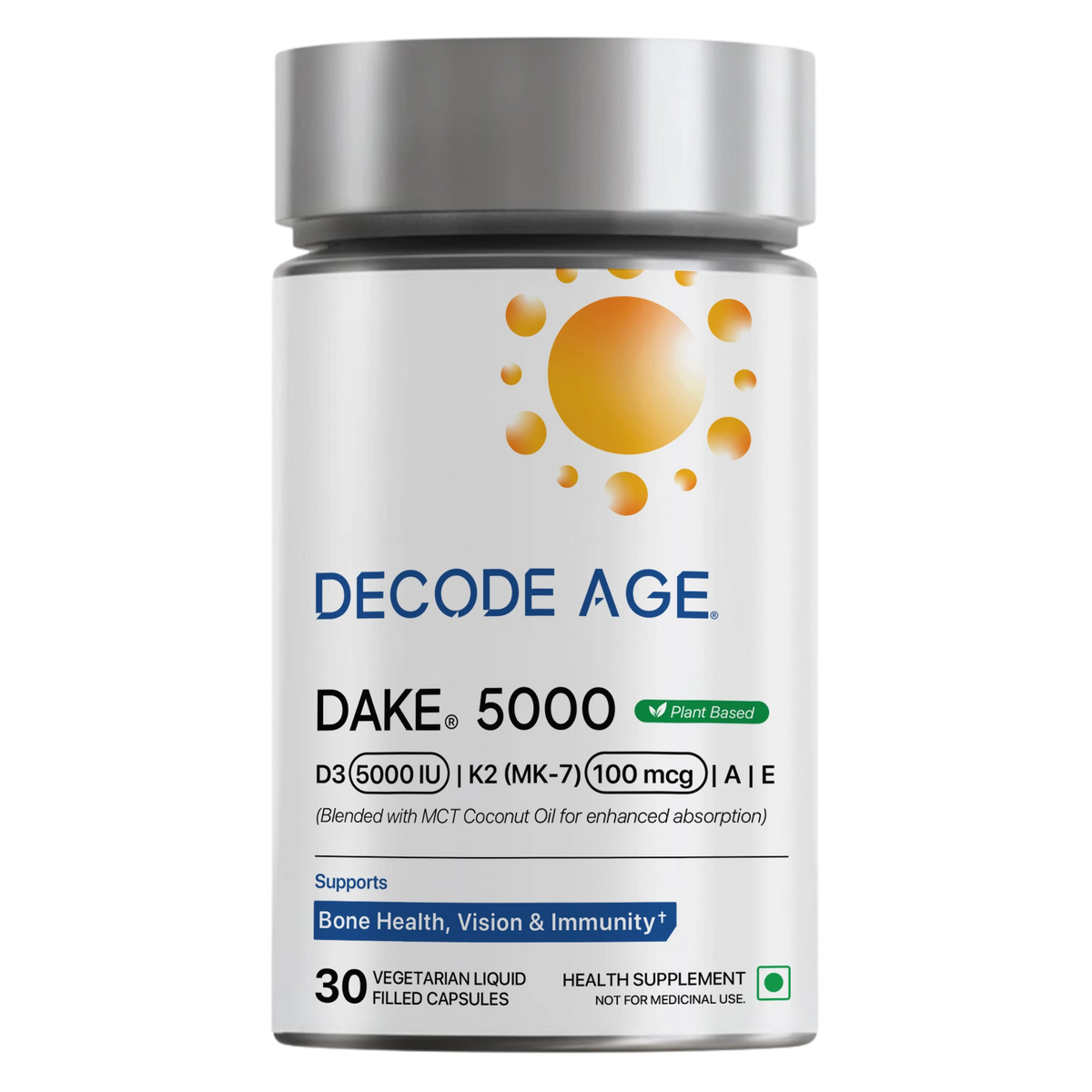
It plays a key role in normal immune function and helps the body absorb calcium, which matters for bone health. When vitamin D levels are low, both can take a hit. If you want a clear answer on your status, a 25(OH)D blood test is the best place to start. It’s worth thinking about if you spend most of your day indoors, cover most of your skin, or live in a city where sun exposure is limited.
India may be known for sunshine, but that doesn’t mean vitamin D levels are fine by default. Modern life gets in the way. Long office hours, indoor routines, covered clothing, and air pollution can all reduce the amount of sun that actually helps your body make vitamin D, even outside winter. In cooler months, people often spend even less time outdoors, so the risk of low levels goes up again.
You can get small amounts from foods like:
- fatty fish
- egg yolks
- fortified foods
Still, food alone rarely covers the full requirement. Supplements aren’t for everyone by default. Whether they make sense depends on your diet, how much sun you actually get, your health status, and your blood levels.
Next, we move to quercetin, a plant compound often discussed for winter immune support, though the evidence behind it looks quite different.
2. Quercetin
Quercetin is a plant flavonoid found in capers, red onions, apples, kale, berries, and tea. In day-to-day eating, these foods are the main source of quercetin. What draws people to it in winter, though, is its suggested antioxidant role and its link with immune function.
It may help neutralise free radicals and influence inflammation. That’s why it comes up so often during colder months, when many people start looking for nutrients that support the immune system. Still, the evidence in humans is limited, and that gap matters. Results seen in lab work don’t always show up the same way in people.
Some lab studies also suggest quercetin may support zinc activity inside cells. That idea has sparked a lot of interest, but so far it hasn’t led to strong human evidence.
In short, quercetin is a plant compound with promising lab data, but only limited human evidence for winter immune support. Vitamin C has a longer track record in human studies, which makes it the next nutrient to look at.
3. Vitamin C
Vitamin C helps support normal immune function and works as an antioxidant, which means it helps protect cells from oxidative stress. During winter, daily habits, lower fruit intake, patchy sleep, and slower recovery can make this nutrient worth a closer look.
It also supports the work of immune cells by helping them reach the right place and carry out their role properly.
Systematic reviews show that daily vitamin C does not prevent colds for most people. Still, it may slightly shorten how long symptoms last and may reduce how severe they feel, especially in people under heavy physical stress.[1][2]
That’s why Vitamin C is often paired with quercetin for combined winter support, which the next section explains.
sbb-itb-55c436e
4. Quercetin + Vitamin C
Vitamin C may help quercetin hold on to its antioxidant activity for longer. That’s one big reason the two often show up together in winter supplement formulas.
Quercetin and vitamin C are often paired because they may play complementary roles in antioxidant defence and normal immune function. Still, human evidence on the combination itself remains limited.
There’s also a practical issue here: standard quercetin has poor oral absorption. Because of that, human studies often use delivery formats such as phytosomes rather than plain quercetin.
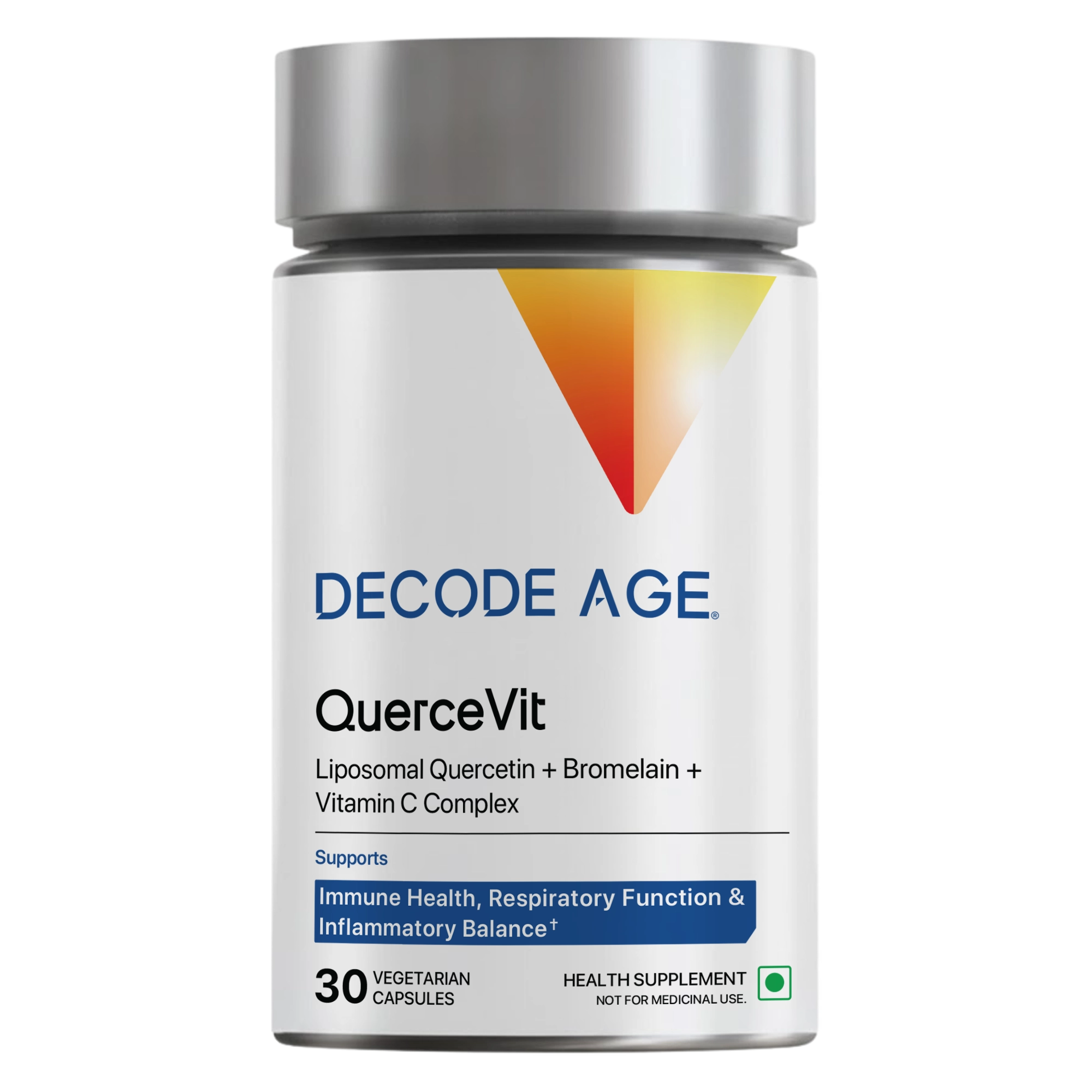
So where does that leave this pairing? Promising, but not proven. If you’re looking at a combined formula, QuerceVit pairs quercetin with vitamin C.
Next, look at magnesium and B vitamins, which are more closely tied to energy metabolism and nervous-system function.
5. Magnesium + B Vitamins
Next are the nutrients most closely linked with winter energy, mood, and recovery.
Magnesium and B vitamins tend to matter more when winter eating slips, tiredness starts piling up, or sleep and mood feel a bit off.
Magnesium helps ATP do its job, supports muscle function, and plays a part in regulating the nervous system.
B1, B2, B3, B5, B6 and B12 help convert food into usable energy. B6, B12, and folate also support neurotransmitters linked with mood.
These nutrients are not a magic fix for fatigue on their own. If winter tiredness, poor focus, or low mood keep hanging around, it makes sense to look at your diet and nutrient status first. Decode Age's Mag7 and MethylAge-B sit in this category.
The more useful question is simple: does your winter diet, sun exposure, and current health status suggest that a supplement would help at all?
Do You Actually Need Supplements This Winter?
Once you’ve looked at the nutrients, the next step is simple: do you even need a supplement? That usually comes down to three things: your diet, your age, and your current nutrient status.
Vitamin D is the main winter nutrient to test because sun exposure often drops. A 25(OH)D test is the clearest place to start before you add a supplement.
B12 is worth checking when intake or absorption may be low. This is more relevant if you follow a vegan or vegetarian diet, or if you’re over 50, since absorption often drops with age.
Use this quick guide to see when testing may make sense.
| Nutrient | When Testing Is Worth Checking |
|---|---|
| Vitamin D (25(OH)D) | Before supplementing in winter |
| Vitamin B12 | If you follow a vegan or vegetarian diet, or are over 50 |
If your intake and blood markers are fine, food should stay the priority.
Food-First Tips for Winter Wellness
Once you’ve looked at the nutrients that tend to matter more in winter, the simplest approach is still food first. In plain terms: build your day around protein, vegetables, fruit, dairy or fortified foods, and regular meals. That gives you a better shot at covering vitamin D, vitamin C, magnesium, and B vitamins through everyday eating instead of leaning on pills.
The aim isn’t to add more supplements. It’s to miss fewer nutrients during winter.
If your blood markers are normal and you already eat a varied diet, keep your focus on food and daily habits. Think regular meals, enough sleep, daylight when you can get it, and steady movement. Supplements can help, but they’re best used to fill a clear gap, not as a shortcut for the basics.
Conclusion
In winter, a few nutrients deserve a closer look: vitamin D, magnesium, B vitamins, vitamin C, and quercetin. Still, the right pick depends on your diet, health, and daily routine. Winter doesn’t create the same supplement needs for everyone, but it does make some gaps more likely.
Vitamin D has the clearest winter link because sun exposure often drops during colder months. Among the others, vitamin C has moderate support, while quercetin is still less certain in human research. Magnesium and B vitamins tend to matter more when low energy, poor sleep, or low mood are part of the picture. What matters most will depend on your food intake, sunlight exposure, age, health conditions, and any medicines you take. Start with food, check markers when needed, and use supplements only to fill a clear gap.
FAQs
Should I test vitamin D before taking it in winter?
The available search results don’t cover winter wellness, supplements, or vitamin D testing.
Because of that, this question can’t be answered from the material provided here.
Can quercetin and vitamin C be taken together?
The search results provided are not relevant to this query.
They focus on marketing management, brand identity, and brand strategy, not on quercetin, vitamin C, supplements, winter wellness, or immune health. Because of that, they can’t be used to answer the question accurately.
Please share search results that deal with the right topic, and I’ll help turn them into a clear, reader-friendly section.
Who is most likely to need winter supplements?
The provided search results do not include any information on winter supplements or winter wellness.
They only contain textbook excerpts on marketing management and brand identity design, so the question cannot be answered from those sources.



Leave a comment
All comments are moderated before being published.
This site is protected by hCaptcha and the hCaptcha Privacy Policy and Terms of Service apply.