






Learning how to improve gut health after 40 does not require a harsh cleanse, an expensive supplement stack, or cutting out every food that causes a little bloating. A more useful approach is to build habits that support regular digestion: varied plant foods, gradual fibre changes, movement, sufficient sleep and medical care when symptoms do not settle.
Your gut microbiome is the community of microorganisms that lives largely in the digestive tract. It responds to what you eat, your routines, medicines and health status. Rather than chasing one “perfect” microbe or food, focus on the overall pattern.
What Changes in Gut Health After 40?
Turning 40 does not automatically mean poor gut health. But this is often when people notice changes in bowel regularity, bloating, reflux, or food tolerance. Shifts in routine, stress, activity, sleep, medication use, and hormonal changes can all contribute.
The key is not to dismiss persistent symptoms as “just ageing”. A sudden or ongoing change in digestion deserves attention, particularly if it affects daily life.
How to Improve Gut Health After 40: Start With Plant Variety
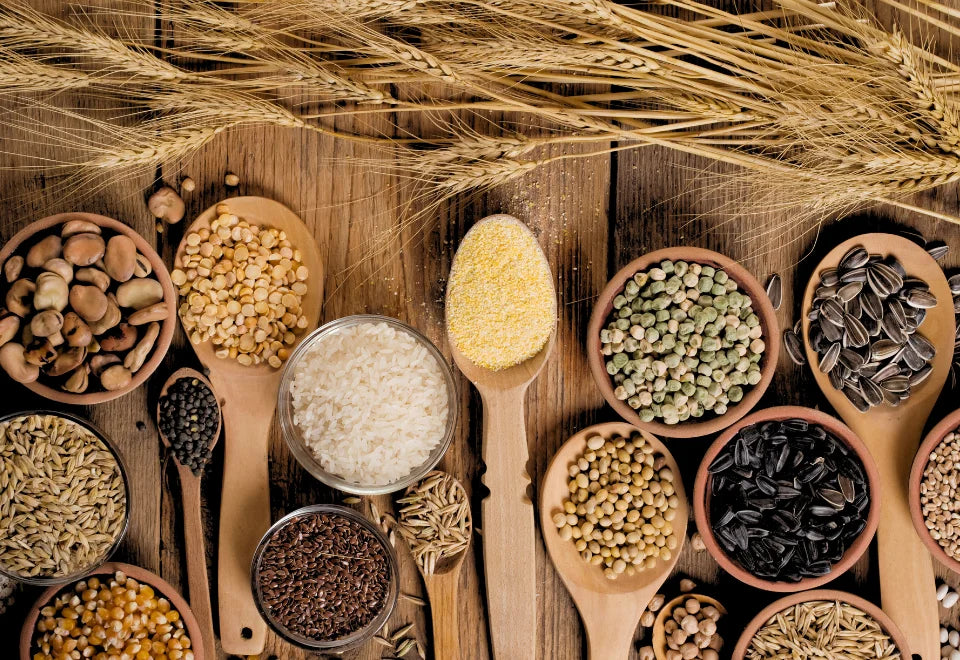
A varied, fibre-rich eating pattern gives gut microbes different compounds to work with. Instead of making one food a cure-all, rotate a range of:
- Dals, chickpeas, rajma and other beans
- Vegetables, especially seasonal varieties
- Fruit such as guava, apples, citrus fruits and berries
- Whole grains including oats, millets and brown rice
- Nuts and seeds
If your usual diet is low in fibre, do not double it overnight. A rapid increase can cause gas, cramping or bloating. Add one fibre-rich food or swap at a time, give your digestion a week or two to adapt, and drink enough fluids alongside it. The American Gastroenterological Association also recommends gradually increasing fibre and prioritising a variety of plant foods.
Include Fermented Foods, but Keep Expectations Realistic
Curd, yoghurt with live cultures, chaas, kefir, kimchi and traditionally fermented foods can be enjoyable additions to a varied diet. They are not mandatory, and they will not “reset” the gut overnight.
In a small 10-week randomised trial of 36 healthy adults, the high-fermented-food group saw increased microbiome diversity and lower levels of several inflammatory proteins. The high-fibre group showed different effects, including increased capacity for carbohydrate breakdown, but did not show the same short-term rise in diversity. Read the full human trial in Cell.
That is encouraging, not conclusive. If fermented foods suit you, begin with a small serving regularly rather than forcing large amounts. If they worsen bloating, flushing, or discomfort, pause and discuss the pattern with a qualified clinician or dietitian.
Support Digestion With Everyday Routines
Food is important, but it is only one part of the picture.
Move regularly
Movement can support bowel regularity and overall health. You do not need a microbiome-specific exercise plan. Walking, cycling, swimming, or resistance training that fits your routine is useful. For general health, the World Health Organization recommends at least 150 minutes of moderate-intensity activity each week, plus muscle-strengthening activity on two or more days.
Keep hydration practical
Water does not “detox” your microbiome. It does, however, help fibre do its job and can support comfortable bowel movements. Let thirst, climate, activity level and urine colour guide a consistent intake rather than chasing a rigid target.
Protect sleep and manage stress
Stress can influence gut symptoms, including abdominal discomfort and changes in bowel habits. A realistic wind-down routine, regular meals, time outdoors, movement and calming practices can be more sustainable than trying to eliminate stress completely.
Use antibiotics appropriately
Antibiotics are important when prescribed for a bacterial infection, but they can also affect gut microbes. Take them exactly as directed; do not self-prescribe or save leftover tablets, and ask your clinician if you have concerns about digestive symptoms during or after treatment.
Do You Need a Probiotic or Prebiotic Supplement?
Not necessarily. Probiotics are not one interchangeable category. Their effects depend on the exact strain, dose, and health condition being studied. A product that helps one person after an antibiotic course may not help someone with bloating, constipation, or no symptoms at all.
The American Gastroenterological Association’s clinical guidance reflects this nuance: probiotic recommendations are condition-specific rather than a blanket recommendation for everyone.
Start with food and routine first. If you are considering a probiotic, especially with a digestive condition, weakened immunity, pregnancy, ongoing medication, or a recent hospital stay, seek individual guidance.
Can a Gut Microbiome Test Help?
A microbiome test can offer a snapshot of microbial composition and functional potential. It may be useful as a structured starting point for someone who wants to understand their existing food patterns, symptoms, and lifestyle choices in more detail.
Decode Biome uses metagenomic analysis to provide wellness-focused microbiome insights and nutrition guidance. Its findings should be read alongside your symptoms, health history, and medical advice, not as a diagnosis. You can also learn how to interpret a Decode Biome report without treating one score or species as the whole story.
An international consensus statement notes that evidence for routine microbiome testing in clinical practice is still limited. Read the consensus statement.
Skip the Gut Reset and Know When to Seek Care
Avoid aggressive cleanses, unverified “parasite detoxes” and severe elimination diets. They can make eating more stressful and may delay appropriate care.
Speak with a clinician if you have:
- Blood in stool or black, tarry stools
- Unexplained weight loss
- Persistent diarrhoea or constipation
- Ongoing abdominal pain
- New bowel changes that do not improve
- Symptoms that significantly disrupt sleep or daily life
Blood in stool and unintentional weight loss should always be assessed rather than managed with dietary tips alone. Review NIDDK guidance on concerning constipation symptoms.
Build a Gut-Friendly Pattern You Can Maintain
Add more variety to your plate, build fibre gradually, keep fermented foods optional, move consistently, and respond promptly to symptoms that need medical care.
Small, repeatable habits will be more useful than a seven-day reset. Your gut does not need perfection. It needs a routine that you can realistically continue.
Frequently Asked Questions
Can gut health improve after 40?
Yes. Food variety, gradual fibre increases, regular movement, hydration, and sleep can support digestion at any age. Persistent symptoms should still be assessed rather than assumed to be age-related.
What is the best food for gut health after 40?
There is no single best food. A mix of legumes, whole grains, vegetables, fruit, nuts, and seeds is generally more useful than relying on one “superfood”.
Should I take probiotics every day?
Not automatically. Probiotic effects are strain- and condition-specific. A supplement may be appropriate in some situations, but it is not a universal solution for gut health.
How long does it take to improve gut health?
There is no fixed timeline. Bowel regularity may change with routine adjustments, but microbiome-related changes and symptom improvement vary by diet, medicine use, health conditions, and the underlying cause of symptoms.
Can a microbiome test diagnose IBS or another digestive condition?
No. A microbiome test can provide wellness insights, but it does not replace clinical assessment, diagnostic testing, or advice from a healthcare professional.




Leave a comment
All comments are moderated before being published.
This site is protected by hCaptcha and the hCaptcha Privacy Policy and Terms of Service apply.