



Trans-resveratrol, a compound naturally found in grape skins, berries, and peanuts, has gained attention for its role in cellular health and ageing. Known for activating SIRT1 and AMPK pathways, it supports DNA repair, mitochondrial function, and reduces inflammation. These mechanisms mimic the effects of fasting, making it a promising choice for those aiming to improve longevity and metabolic health. However, dietary sources provide only trace amounts, which is why supplementation is often recommended.
For Indian consumers, with rising health concerns like metabolic disorders and chronic inflammation, trans-resveratrol offers a practical way to bridge this gap. This guide explores its benefits, recommended dosages, and key factors for selecting longevity supplements in India.
How Trans-Resveratrol Works in Longevity Science
Mechanisms of Action
Trans-resveratrol's role in longevity science revolves around its ability to activate SIRT1, a NAD⁺-dependent enzyme crucial for maintaining cellular health. Dr. Julian Douwes M.D. highlights its significance:
"Resveratrol is a potent activator of SIRT1, a NAD⁺-dependent deacetylase that sits at the intersection of energy sensing, DNA repair, and aging biology." [3]
When activated, SIRT1 deacetylates PGC-1α, which leads to mitochondrial biogenesis, enhances FOXO transcription factors for better DNA repair and stress resistance, and suppresses NF-κB, reducing systemic inflammation. [3][6]
In addition to its effects on SIRT1, trans-resveratrol interacts with AMPK, a cellular energy sensor. AMPK detects low energy states and triggers autophagy, contributing to metabolic regulation through a distinct pathway. [3][6]
Here’s a summary of these pathways and their benefits:
| Pathway / Target | Mechanism | Resulting Benefit |
|---|---|---|
| SIRT1 | Deacetylation of PGC-1α | Boosts mitochondrial biogenesis and energy efficiency [3][6] |
| SIRT1 | Modulation of FOXO | Enhances DNA repair and resilience to stress [3][6] |
| SIRT1 | Inactivation of NF-κB | Lowers inflammation throughout the body [3][6] |
| AMPK | Energy sensing activation | Promotes autophagy and better insulin sensitivity [3][6] |
| eNOS | Nitric oxide production | Supports vascular health and improves blood flow [6] |
These molecular actions allow trans-resveratrol to replicate some of the benefits linked to caloric restriction.
Longevity Pathways
Trans-resveratrol doesn’t just mimic calorie restriction by reducing food intake. Instead, it sends targeted metabolic signals to cells, encouraging them to adopt a protective and repair-oriented state. This is achieved through the same pathways activated during fasting. [3][6]
For example, a study involving 150 mg/day of trans-resveratrol over 30 days showed metabolic effects similar to calorie restriction in obese men. These included increased mitochondrial capacity in skeletal muscles. [3][9][6] This makes trans-resveratrol particularly effective for those with metabolic challenges, where pathways like SIRT1 and AMPK can have a greater impact. [3]
It’s important to note that SIRT1 depends on NAD⁺ to function effectively. Without enough NAD⁺ levels, the reveratrol benefits are limited. This is why longevity protocols often combine trans-resveratrol with NAD⁺ precursors like NMN or NR. [3][1][6] Together, these elements create a foundation for exploring optimal dosages and safety considerations.
Decode Age views trans-resveratrol as a vital part of a holistic strategy for cellular health. For SIRT1 activation to work optimally, sufficient NAD⁺ levels and proper nutritional support are essential. This aligns with Decode Age's approach of integrating trans-resveratrol alongside other compounds that target the same longevity pathways.
The idea is simple: synergy is key. While resveratrol acts as a powerful activator, the overall cellular environment determines how effectively these processes unfold. Decode Age’s comprehensive approach ensures that trans-resveratrol is not used in isolation but as part of a broader framework for promoting healthy ageing.
sbb-itb-55c436e
Enhance Insulin Sensitivity with Trans Resveratrol
Trans-Resveratrol Benefits Backed by Evidence
Building on the molecular pathways discussed earlier, clinical research highlights the real-world health trans-resveratrol benefits in several key areas.
Cardiovascular and Metabolic Health
Trans-resveratrol has shown the most compelling results in improving vascular and metabolic health. A meta-analysis of 17 randomised controlled trials (RCTs) revealed that resveratrol enhanced flow-mediated dilation (FMD) by 1.43 percentage points [7]. Improved FMD indicates healthier and more adaptive blood vessels, which is crucial for overall cardiovascular health.
Blood pressure studies also provide promising results. Individuals taking 150 mg/day or more experienced a drop in systolic blood pressure by around 11.90–12 mmHg [7]. This reduction is comparable to the effects of certain lifestyle changes. Interestingly, while systolic pressure decreased, diastolic pressure remained largely unchanged.
For those managing blood sugar, trans-resveratrol has demonstrated benefits in type 2 diabetic patients. A meta-analysis of 9 RCTs found reductions in fasting glucose by 0.29 mmol/L and fasting insulin by 0.64 U/mL [7]. As Dr. Julian Douwes M.D. points out:
"The evidence is strongest where there is 'room to improve': metabolic dysfunction, neuroinflammation, oxidative stress." [3]
However, it’s worth noting that one study observed a 45% reduction in VO2 max gains among older men combining resveratrol with cardiovascular training [7].
Brain Health and Cognitive Function
Thanks to its lipophilic nature, trans-resveratrol can cross the blood-brain barrier, offering potential neuroprotective benefits. A 26-week study conducted by Witte et al. found that healthy older adults taking 200 mg/day showed improved memory retention and better hippocampal connectivity [3].
Even short-term effects are noteworthy. Single doses of 250 mg and 500 mg enhanced cerebral blood flow and processing speed in healthy individuals [3]. Additionally, a regimen of 75 mg twice daily improved cerebrovascular responsiveness and cognitive performance in postmenopausal women [8].
Dr. Pedram Kordrostami, MD, elaborates:
"Resveratrol's ability to protect cells and reduce oxidative stress has been linked to slowing the ageing process. It may also influence genetic pathways related to longevity, showing potential for reducing the risk of age-related diseases like Alzheimer's." [10]
Ageing and Inflammation
Trans-resveratrol is known to combat inflammation by targeting NF-κB and COX enzymes while activating the Nrf2 pathway. This pathway boosts antioxidant defences, such as glutathione peroxidase and superoxide dismutase [6][4]. A 2015 systematic review highlighted significant reductions in CRP and TNF-α levels in individuals with metabolic risk factors [6]. Similarly, a meta-analysis observed a 7.09 ng/mL decrease in ICAM-1, a marker of inflammation [7].
While animal studies suggest lifespan extension, human trials have yet to consistently replicate these findings [7][11]. However, the anti-inflammatory and vascular benefits are well-documented, even if direct longevity claims in humans remain inconclusive.
Emerging Research Areas
Two emerging fields of study show potential but require further exploration.
- Reproductive Health: Early trials suggest that trans-resveratrol may help regulate hormones and reduce oxidative stress in conditions like polycystic ovary syndrome (PCOS).
- Respiratory Health: Its anti-inflammatory properties are being studied for their potential to alleviate airway inflammation, though large-scale human studies are still pending.
While these findings are intriguing, more robust research is needed before drawing definitive conclusions.
The next section will explore optimal dosage, timing, and safety considerations tailored for Indian users.
Dosage, Timing, and Safety for Users in India
Recommended Dosages
For healthy adults, a daily trans reveratrol dosage of 150–250 mg is generally advised to support cellular repair and longevity [3][4][12]. For individuals dealing with metabolic issues like insulin resistance or type 2 diabetes, a slightly higher dose of 250–500 mg may be beneficial. However, higher doses should only be used under the guidance of a healthcare professional [3][7].
If you're new to trans-resveratrol, it’s a good idea to start with 100 mg/day for the first 7–10 days to test your tolerance before moving to a regular maintenance dose [2]. This step is particularly helpful since people often experience varying levels of gastrointestinal sensitivity.
| Use Case | Typical Daily Dose | Strategy |
|---|---|---|
| General Longevity | 150–250 mg | Morning+NMN |
| Metabolic Support | 250–500 mg | Evening post dinner |
| Cardiovascular Support | 150–500 mg | Evening post dinner |
| Advanced Longevity Stack | 500 mg | Morning with fat; 1 hour apart from NMN |
Timing and Absorption
Trans-resveratrol has poor oral bioavailability (less than 1%) due to rapid metabolism in the liver [12][7]. Since better absorption can enhance its ability to activate longevity pathways like SIRT1 and AMPK, it's crucial to optimise how you take it.
For best results, take trans-resveratrol in the night with food. In India, pairing it with peanuts, full-fat dahi, or meals cooked in ghee or mustard oil can improve absorption. As Dr. Julian Douwes M.D. points out:
"A 500 mg capsule of undifferentiated resveratrol taken on an empty stomach without absorption enhancers is largely wasted." [3]
Morning dosing also aligns with the natural circadian rhythm of sirtuin and NAD+ activity [12]. If you're also taking NMN, space the two supplements 30–60 minutes apart since high doses of resveratrol may temporarily interfere with NMN-to-NAD+ conversion [3]. Adding 5–10 mg of piperine (found in black pepper) can further enhance absorption by up to 229% [3].
Safety and Side Effects
When taken at standard doses, trans-resveratrol is considered safe. However, Indian users should be aware of certain drug interactions. It can inhibit enzymes like CYP3A4, CYP2C9, and CYP2D6, potentially increasing the blood levels of medications such as statins, calcium channel blockers, and immunosuppressants, which might lead to unsafe concentrations [7][4]. Additionally, its anti-platelet properties mean that combining it with blood thinners like warfarin, aspirin, or clopidogrel could heighten the risk of bleeding or bruising. It's recommended to stop using trans-resveratrol at least 1–2 weeks before surgery [2][7].
Due to its mild estrogenic effects, trans-resveratrol is not suitable for individuals with hormone-sensitive conditions, including breast, ovarian, uterine, or prostate cancers [2][4].
Special Considerations for Indian Users
Indian dietary habits and existing health treatments may require additional precautions when using trans-resveratrol.
While foods like peanuts, grapes, and berries contain small amounts of resveratrol, they do not provide enough to match clinical doses [2][12]. If you are managing type 2 diabetes with Metformin or insulin, be cautious, as trans-resveratrol might amplify glucose-lowering effects, increasing the risk of hypoglycaemia. Regular monitoring is essential [2][12].
Furthermore, those using Ayurvedic or herbal formulations containing blood-thinning ingredients - such as high-dose turmeric or ashwagandha extracts - should consult a healthcare provider before adding trans-resveratrol. The combined effects of bioactive compounds can be unpredictable.
From a financial perspective, high-quality trans-resveratrol supplements in India typically cost between ₹1,250 and ₹5,000 per month, depending on the dose and formulation [5]. To ensure effectiveness, choose a product that contains at least 98% trans-resveratrol purity, as this guarantees you're getting the active form rather than a diluted or impure extract.
Quality Checklist: How to Choose a Trans-Resveratrol Supplement in India
Selecting the right supplement is just as important as understanding how to use it. While the dosage is a key factor, the supplement’s formulation and testing standards play a major role in determining its effectiveness.
Trans Resveratrol vs Resveratrol Form
Trans-resveratrol is the active, more stable form of resveratrol, the natural polyphenol found in sources like grapes, berries, and Japanese knotweed. While “resveratrol” is often used as a general term, it can include different forms, mainly cis-resveratrol and trans-resveratrol. The trans form is considered more biologically relevant because it is better studied and more commonly linked with antioxidant, anti-inflammatory, heart health, and healthy ageing benefits. In simple terms, resveratrol is the broad ingredient name, while trans-resveratrol is the form your body can put to better use.
Standardisation
When choosing a supplement, look for the term "Trans-Resveratrol" on the label instead of generic terms like "Resveratrol", "Grape Seed Extract" or "Polygonum cuspidatum extract." This ensures that you're getting the active compound, which is essential for its effectiveness.
Purity is another vital factor. A good-quality supplement should be standardised to at least 98% trans-resveratrol. Be cautious of products that claim "500 mg Resveratrol" from a "50% extract", as this means the actual active dose is only 250 mg [7]. If the supplement is derived from Japanese knotweed (Polygonum cuspidatum), ensure it is emodin-free, as emodin can cause digestive issues with laxative-like effects [2].
Dose Transparency and Labelling
A reliable product will clearly mention the exact milligrams of trans-resveratrol per serving. Avoid supplements that only indicate the total extract weight, as this makes it difficult to confirm if you’re receiving a clinically effective dose.
Testing and Safety Standards
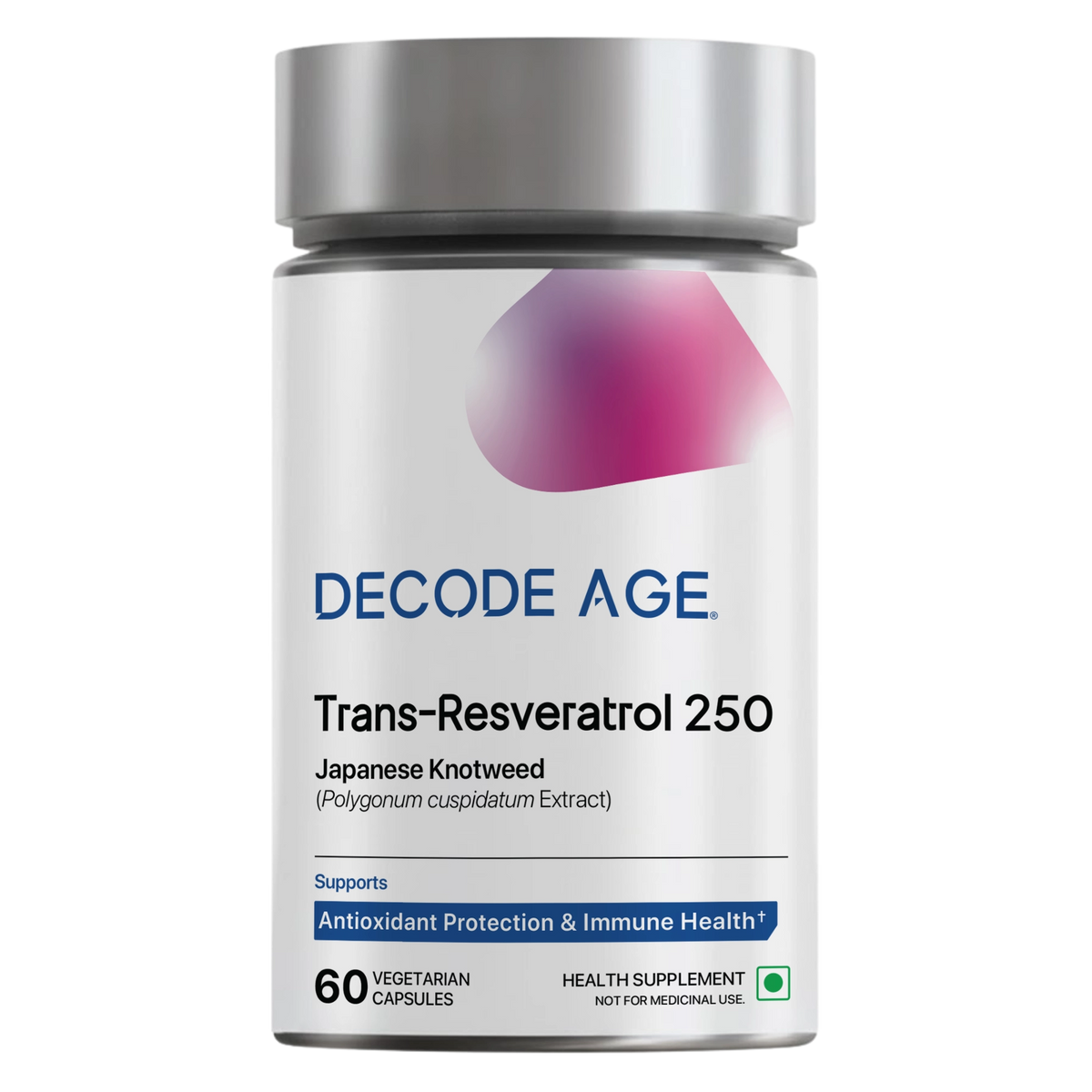
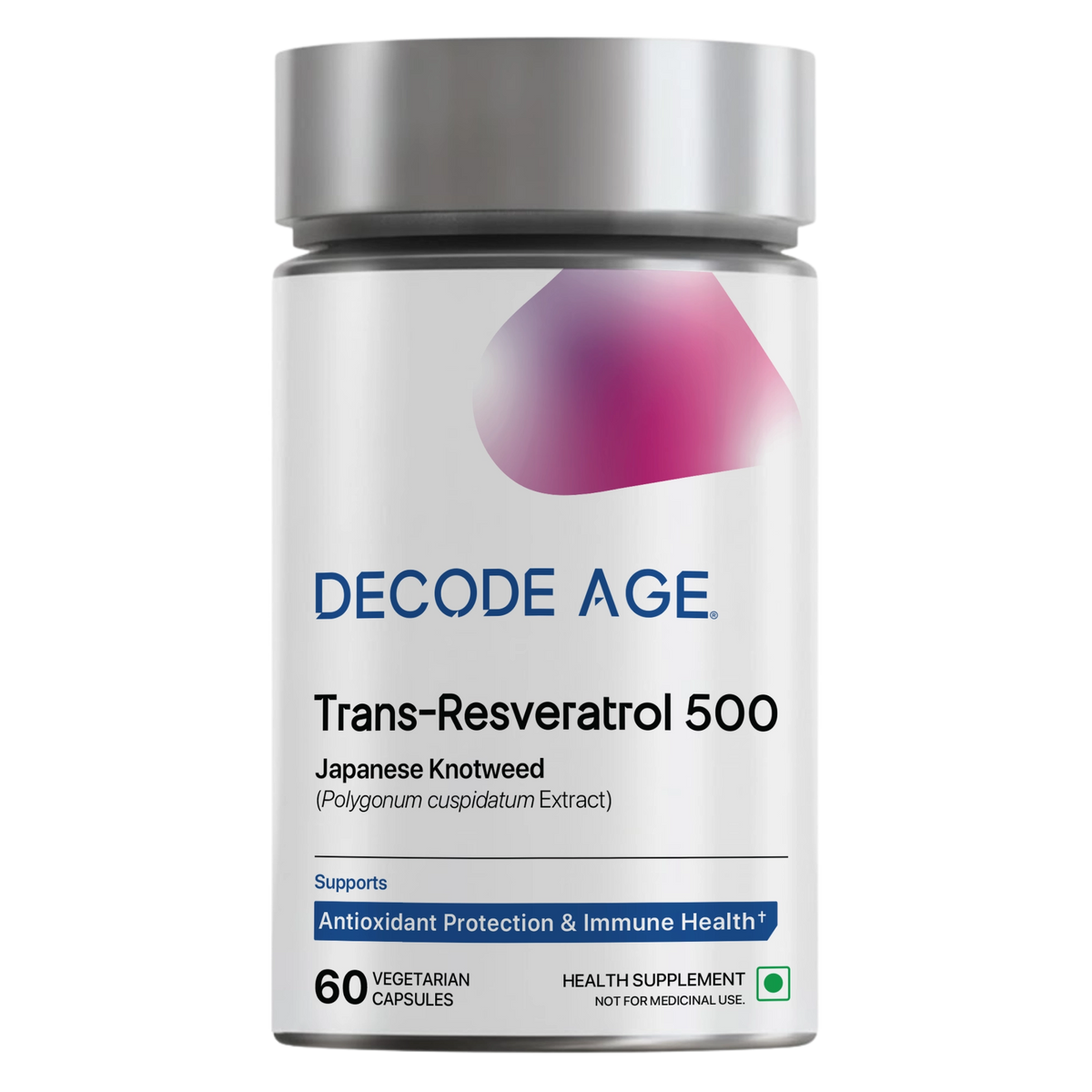
Third-party testing is essential for supplements you plan to take regularly. Look for products that come with a batch-specific Certificate of Analysis (COA) and certifications from recognised bodies like NSF or USP. For supplements sold in India, ensure they comply with FSSAI regulations and have GMP certification. These standards guarantee the product’s safety and potency. For instance, Decode Age manufactures its Trans-Resveratrol 500mg in FDA-registered and GMP-certified facilities, offering a higher level of trust in terms of ingredient quality and manufacturing practices [6][7].
Bioavailability and Formulation
Trans-resveratrol, on its own, has a bioavailability of less than 1% when taken without absorption aids [3]. To improve absorption, look for formulations that include enhancers like piperine or quercetin, or advanced delivery systems such as micronised or liposomal forms. Micronised resveratrol can achieve plasma concentrations up to 3.6 times higher than standard versions, and piperine significantly enhances absorption. This makes formulation quality a critical factor to consider [3][6]. As Dr. Julian Douwes M.D. aptly states:
"Precision in delivery matters as much as the molecule itself." [3]
Regulatory and Ethical Considerations
The packaging of the supplement also reflects its quality. Opt for opaque, airtight bottles, as these protect trans-resveratrol from degradation caused by UV light and heat. Clear plastic containers, on the other hand, can compromise the product's stability [3][7]. Moreover, brands that provide transparent details about their extraction process and sourcing inspire greater confidence in the product’s integrity.
| Quality Marker | What to Look For | Why It Matters |
|---|---|---|
| Isomer Form | 100% Trans-Resveratrol stated on label | Ensures the biologically active compound is present [3][6] |
| Purity Level | ≥98% standardisation | Minimises emodin and other plant impurities [2][13] |
| Packaging | Opaque, airtight container | Protects against light-induced degradation [6][7] |
| Bioavailability Enhancers | Inclusion of piperine or quercetin | Boosts absorption for better effectiveness [3][6] |
| Third-Party Testing | COA, NSF, USP, or FSSAI/GMP certified | Confirms potency and absence of contaminants [6][7] |
FAQs
Should I cycle trans-resveratrol or take it daily?
Research indicates that cycling trans-resveratrol is unnecessary. Most studies emphasise the importance of a consistent daily intake because the compound has a short half-life of 1.5 to 3 hours and does not build up in the body over time. Benefits such as improved metabolism and vascular health are associated with regular daily doses ranging from 150 to 1,000 mg. To achieve optimal results, it is recommended to follow a steady daily regimen, similar to the protocols used in clinical trials lasting 8 to 12 weeks.
Can I take trans-resveratrol with NMN/NR and metformin together?
Some approaches to longevity pair trans-resveratrol with NMN or NR because they work together to support the sirtuin pathway. However, resveratrol and metformin both influence the AMPK pathway and can impact glucose levels, making it important to avoid mixing them without medical guidance if you're on glucose-lowering medications. Using multiple supplements together may also raise the risk of side effects and make it harder to assess their individual benefits. It's crucial to consult your doctor before combining these supplements, particularly if you have existing health conditions or rely on prescription medications.
How long does trans-resveratrol take to show results?
Trans-resveratrol works over time, with noticeable effects typically requiring weeks rather than days. Clinical trials usually last between 12 and 24 weeks, though certain changes, such as improved blood flow or metabolic markers, might be observed within the first 30 days. However, individual responses can differ significantly, and results are not assured. It's important to set realistic expectations, as outcomes in humans are often less pronounced or consistent compared to findings from preclinical studies.


Leave a comment
All comments are moderated before being published.
This site is protected by hCaptcha and the hCaptcha Privacy Policy and Terms of Service apply.