



NMN (β-Nicotinamide Mononucleotide) is gaining attention as a supplement for supporting healthy ageing and cellular function. As a precursor to NAD⁺, a coenzyme essential for energy production, DNA repair, and cellular health, NMN supplementation addresses the natural decline in NAD⁺ levels that occurs with age. This decline is linked to reduced energy, slower recovery, and other age-related challenges. While foods like broccoli and edamame contain NMN, the amounts are too small to have a meaningful impact, making supplements a practical option.
Research suggests that NMN supplementation can increase NAD⁺ levels by up to 2.5 times, with potential benefits for physical performance, metabolic health, and even markers of ageing. However, while early studies are promising, questions remain about long-term effects and optimal dosages. This guide explores how NMN works, its benefits, recommended dosages, safety considerations, and its fit within a lifestyle focused on healthy ageing.
NMN, NAD+, and Cellular Health: The Basics
What is NAD+ and Why Does It Matter?
NAD+ (Nicotinamide Adenine Dinucleotide) is a coenzyme present in every cell of the body. It plays a central role in transferring energy through metabolic reactions, ensuring cells function as they should.
Beyond its role in energy metabolism, NAD+ is essential for activating enzymes involved in gene regulation and DNA repair, such as sirtuins, PARP enzymes, and CD38 [3][6].
"NAD+ is a coenzyme for most redox reactions in metabolic pathways. In addition, NAD+ is a required co-substrate for several NAD+-consuming enzymes, such as sirtuins (SIRTs) and poly ADP-ribose polymerases (PARPs), that are involved in diverse biological processes." - Scientific Reports [6]
The body produces NAD+ through three pathways. The salvage pathway, in which NMN (Nicotinamide Mononucleotide) serves as a direct precursor, accounts for about 85% of NAD+ production [1]. The other two are the de novo pathway, which uses tryptophan, and the Preiss-Handler pathway, which relies on niacin [6][1]. These pathways highlight the complex mechanisms behind NAD+ synthesis and its critical role in cellular health.
Why NAD+ Levels Drop with Age
As we grow older, NAD+ levels naturally decline due to reduced production and increased consumption. The enzyme NAMPT, which controls the rate of the salvage pathway, becomes less active with age [6]. Simultaneously, CD38, an enzyme that breaks down NAD+, becomes more active, further depleting its levels [3].
This drop in NAD+ has far-reaching effects. Since NAD+ is crucial for processes like the tricarboxylic acid (TCA) cycle and glycolysis, its reduction can lead to mitochondrial dysfunction and lower cellular energy [4]. Additionally, decreased NAD+ availability hampers DNA repair mechanisms and limits the activity of sirtuins, enzymes that play a role in ageing and cellular health.
"Since NAD+ levels decrease with age, and NAD+ metabolism deterioration exacerbates several age-related diseases, maintaining NAD+ levels is essential to preventing and treating them." - Scientific Reports [6]
This age-related decline highlights the need for interventions, such as NMN supplementation, to sustain cellular energy and overall health.
How NMN Supports NAD+ Production
To counteract the age-related drop in NAD+, enhancing its production becomes vital. NMN serves as a direct precursor to NAD+ and is converted efficiently in the body via the enzyme NMNAT, bypassing the reduced activity of NAMPT seen with ageing [3][6]. Once ingested, NMN is quickly absorbed in the small intestine and enters the bloodstream [3][4].
Clinical studies in humans have demonstrated that NMN supplementation, at doses ranging from 250 mg to 900 mg daily, can boost blood NAD+ levels by 1.5–2.5 times. In one 12-week study, a daily dose of 250 mg resulted in a 38% increase in the NAD+/NADH ratio [3].
While NMN has proven effective in increasing NAD+ levels, ongoing research aims to determine whether these improvements lead to long-term health benefits.
Age Backwards? The Truth About NMN and Longevity
Potential Benefits of NMN Supplementation
The potential benefits of NMN supplementation highlight its role as a precursor in maintaining cellular energy and metabolic balance.
Energy and Physical Performance
NAD⁺ plays a vital role in mitochondrial energy production, and increasing NAD⁺ levels can support mitochondrial function, potentially enhancing physical energy. Human NAD⁺ levels are known to decline by up to 50% between the ages of 40 and 60 [7], often correlating with increased fatigue and reduced stamina during middle age.
Clinical research has started to measure these effects. For instance, a 60-day trial revealed that NMN doses of 300–900 mg daily significantly improved six-minute walking distances, with the 600 mg and 900 mg groups showing the most progress [2]. Similarly, a six-week study involving 48 amateur runners found that NMN supplementation (300–1,200 mg per day) enhanced aerobic capacity, improving both the ventilatory threshold and maximum oxygen uptake [1]. Another 12-week study focusing on healthy men aged 65 and older reported modest improvements in gait speed and grip strength with a daily dose of 250 mg, showing statistical significance (p-values 0.033 and 0.019, respectively) [5].
"Chronic oral NMN supplementation can be an efficient NAD⁺ booster for preventing aging‑related muscle dysfunctions in humans." - Igarashi M. et al., npj Aging [5]
Metabolic Health and Ageing
NMN’s benefits extend beyond physical performance, influencing metabolic functions as well. A study published in Science demonstrated that 250 mg of NMN daily improved skeletal muscle insulin sensitivity by approximately 25% in postmenopausal women with prediabetes [7]. In another 60-day trial, participants receiving NMN maintained their biological age, unlike those in the placebo group [2], suggesting its potential to slow down cellular ageing markers.
Cognitive and Cardiovascular Support
Although a 12-week study in older men found no significant cognitive improvements despite increased NAD⁺ levels [5], preclinical studies suggest NMN may restore NAD⁺ and ATP levels while reducing neurodegeneration markers. However, further human studies are needed to confirm these findings.
On the cardiovascular front, a 12-week trial showed that 250 mg of NMN daily tended to reduce brachial-ankle pulse wave velocity - a measure of arterial stiffness - by an average of 25.1 cm/s. Although this result was not statistically significant overall, subgroup analysis indicated significant improvements in individuals with higher BMI or elevated blood glucose levels [6].
"NMN supplementation potentially improves vascular health in middle‑aged adults, especially in those with high BMI or blood glucose levels." - Katayoshi T. et al., Scientific Reports [6]
These findings suggest NMN's benefits may vary across different systems and populations, with potential implications for long-term health.
Healthspan and Longevity
While NMN supplementation consistently raises blood NAD⁺ levels, it is less clear whether this translates into long-term improvements in healthspan or lifespan. Most human studies have been short-term, typically lasting between 6 and 12 weeks, and have focused on physiological markers rather than disease outcomes or longevity [3].
"An exaggeration of the benefits of NMN supplementation may exist in the field." - 2024 meta‑analysis of 12 RCTs, Critical Reviews in Food Science and Nutrition [3]
These findings underscore the need for further research to better understand NMN’s impact on long-term health and lifespan, as well as its optimal dosage and safety profile.
sbb-itb-55c436e
Dosage, Safety, and Supplement Quality

NMN Dosage Guide: Benefits, Evidence & Recommended Daily Intake
Recommended NMN Dosage
Studies suggest that a daily intake of 250–300 mg is effective for boosting blood NAD⁺ levels in humans [3]. This dosage is often recommended as a starting point, especially for older adults. For instance, a 12-week study demonstrated that 250 mg daily improved gait speed and grip strength in healthy men aged 65 and above [5].
For those aiming to enhance physical performance or achieve broader longevity benefits, a daily dose of 600 mg has shown the most promising results. In a 60-day dose-response trial, 600 mg was found to be the most effective for increasing blood NAD⁺ levels and improving six-minute walking performance. Interestingly, no additional benefits were observed with 900 mg, indicating that 600 mg may represent the optimal dosage [2].
"NMN supplementation increases blood NAD concentrations and is safe and well tolerated with oral dosing up to 900 mg NMN daily. Clinical efficacy expressed by blood NAD concentration and physical performance reaches highest at a dose of 600 mg daily oral intake." - Yi L. et al., GeroScience [2]
Most clinical trials recommend taking NMN in the morning, either with or without food, to align with natural metabolic rhythms [3]. However, it’s worth noting that long-term data on NMN use beyond six months is still limited [3].
Next, let’s take a closer look at NMN’s safety profile at these dosages.
Safety Profile and Side Effects
NMN has demonstrated a strong safety record in the short term. Randomised controlled trials with doses ranging from 250 mg to 1,250 mg per day have reported no serious adverse events [3]. In one 60-day multicentre study involving 80 participants taking up to 900 mg daily, no safety concerns were identified. Moreover, single oral doses had no impact on heart rate, blood pressure, or body temperature [1][2].
While generally well-tolerated, some mild side effects like nausea or gastrointestinal discomfort have occasionally been reported. However, these occurrences were similar to those in placebo groups, suggesting they may not be directly linked to NMN [2][3]. Despite these positive findings, long-term safety data - beyond six months of continuous use - is still lacking, and further research is necessary to better understand NMN’s extended safety profile [3].
Certain groups should approach NMN with caution or avoid it altogether until more evidence is available. These include pregnant and breastfeeding women, children, individuals with active cancer, and those on statins, as potential interactions remain unstudied [2][3]. Always consult a healthcare provider before starting NMN, particularly if you have an existing medical condition or are taking prescription medications.
How to Choose a Quality NMN Supplement
Selecting a reliable NMN supplement is as important as determining the right dosage. Since NMN is classified as a dietary supplement rather than a regulated pharmaceutical, verifying product quality is critical. The most crucial document to request is a third-party Certificate of Analysis (COA), which confirms the product’s purity and potency. High-quality NMN supplements typically achieve a purity level of 99% or higher, as lower-purity products may contain inactive nicotinamide [3].
Ensure the product contains β-nicotinamide mononucleotide (β-NMN), the active form used by the human body, as opposed to the inactive α-isomer [1]. Additionally, check that the supplement has been tested for heavy metals like lead, arsenic, cadmium, and mercury. Avoid products with "proprietary blends" that obscure the actual NMN dosage, and be wary of exaggerated claims like "reverse ageing" or "cure diseases", which often signal marketing over science [3].
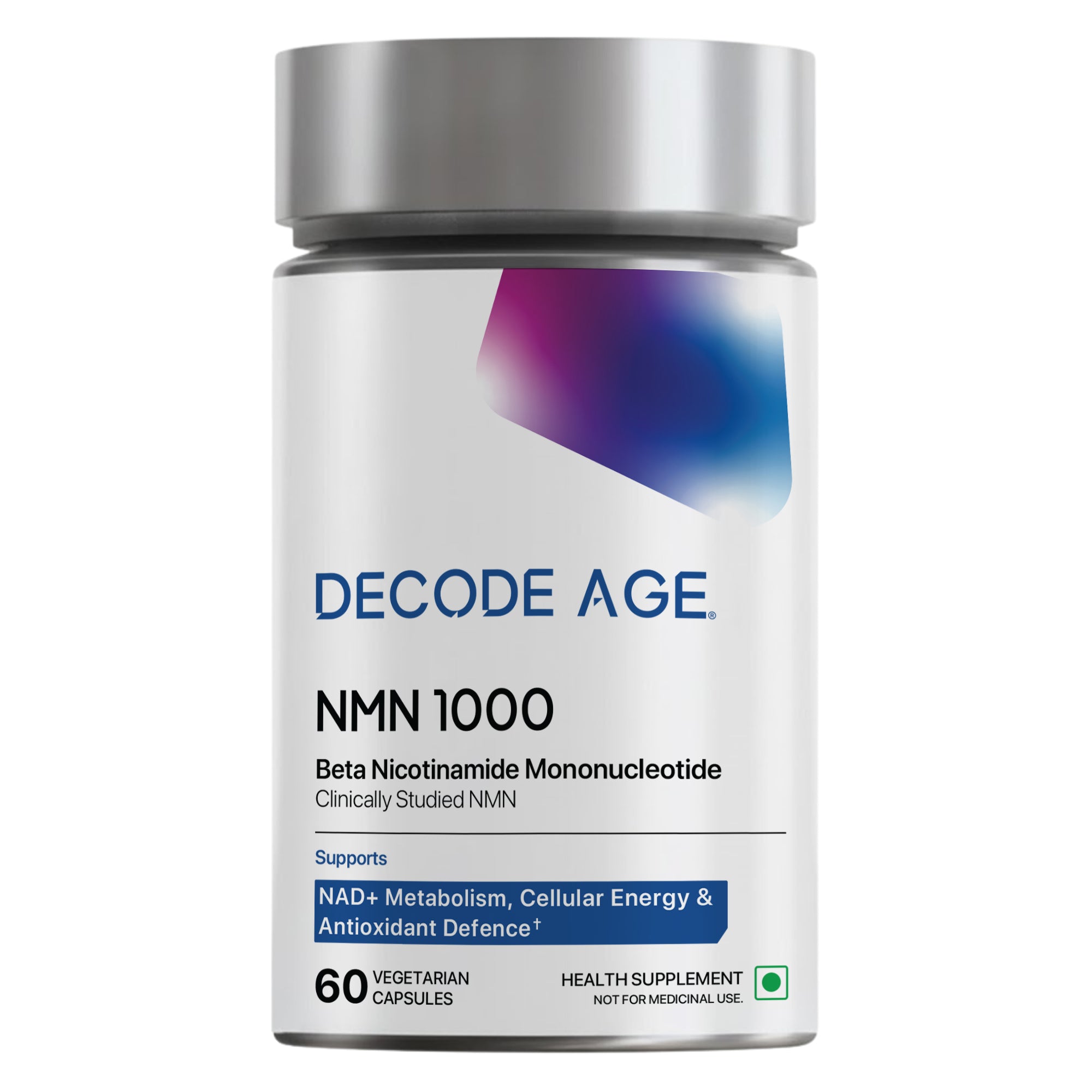
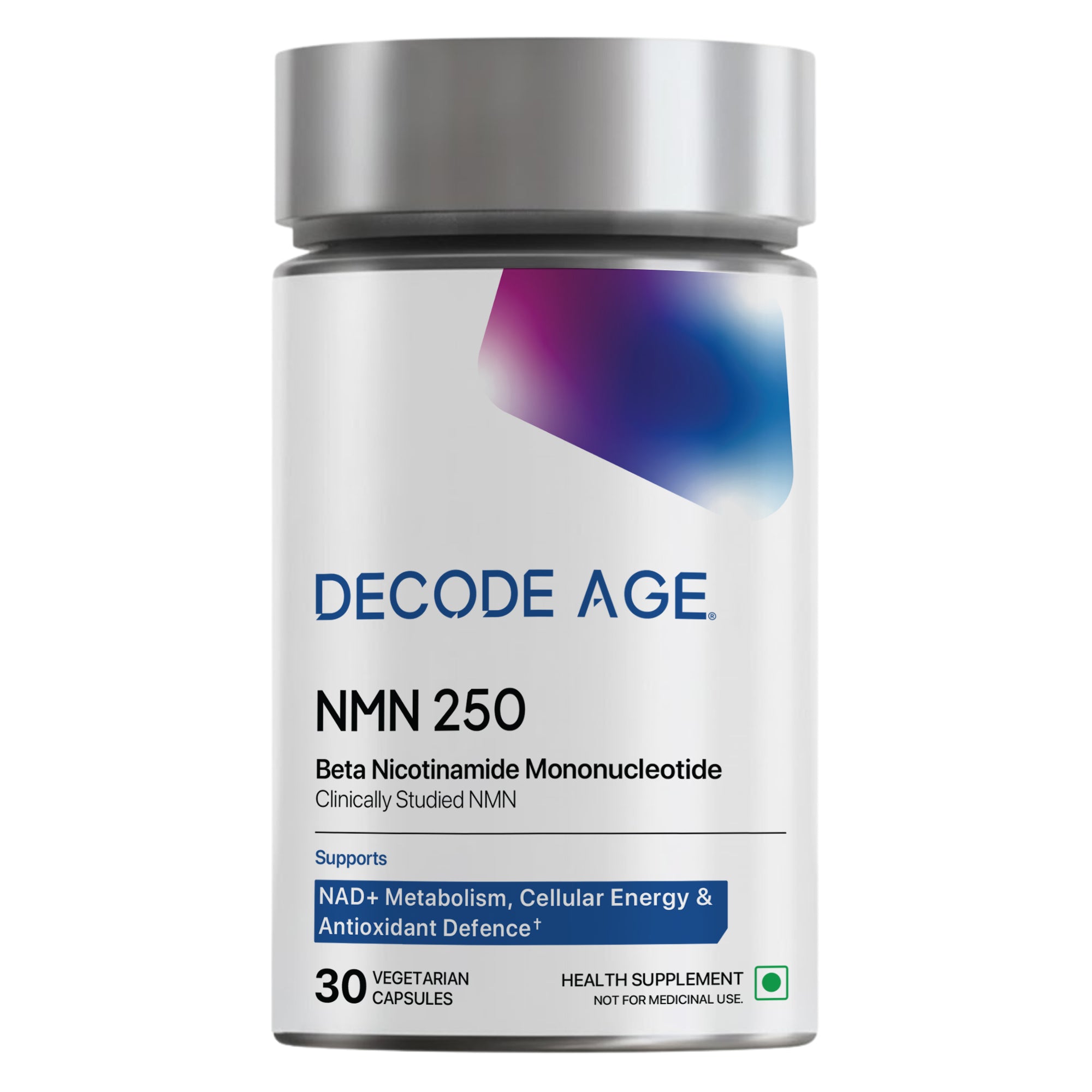
Decode Age upholds its commitment to transparency by offering NMN supplements made with Uthever NMN - a clinically studied, high-purity (≥99%) form of β-NMN. Manufactured under GMP-certified and FDA-registered conditions, these supplements undergo rigorous third-party testing to ensure both potency and safety. This level of scrutiny sets Decode Age apart, offering a product that truly meets high-quality standards rather than relying on flashy labels.
Using NMN as Part of a Longevity Lifestyle
Lifestyle Habits That Support NAD+ Levels
To maximise the benefits of NMN supplementation, pairing it with a balanced lifestyle is key. Research highlights that a combination of a nutrient-rich diet, consistent exercise, and overall wellness practices enhances the body's ability to combat ageing effectively [1]. NMN serves as a cellular ally, but its impact is amplified when integrated with daily healthy habits.
Exercise stands out as a powerful partner to NMN. Studies reveal that combining NMN with regular aerobic workouts significantly improves the ventilatory threshold and aerobic capacity in amateur runners compared to exercise alone [5][3]. This translates to better oxygen efficiency during prolonged activity, which is an essential marker of cardiovascular health.
Sleep and stress management are equally critical, as NAD+ metabolism aligns with the body's circadian rhythm. Factors like poor sleep, chronic stress, or an unbalanced diet can drain NAD+ reserves over time [1][3]. Adopting regular sleep patterns and effective stress management techniques helps maintain these reserves, creating a stronger foundation for NMN's benefits. While NMN is naturally found in certain foods, the quantities from diet alone are insufficient to counteract the age-related decline in NAD+. This makes supplementation a practical necessity. By combining NMN with these supportive habits, you can better sustain NAD+ levels, making it a key part of a well-rounded anti-ageing approach.
NMN and Decode Age's Approach to Longevity
Decode Age takes a holistic view of longevity, incorporating NMN into a broader, science-driven strategy. Rather than treating NMN as a standalone solution, the focus is on enhancing healthspan - the years you remain active, mentally sharp, and physically fit - rather than simply prolonging life.
Decode Age’s NMN supplement, featuring Uthever NMN with ≥99% purity, is part of a comprehensive plan that includes educational tools, biomarker-based health tracking, and complementary supplements like Trans-Resveratrol and Spermidine. These additions target various aspects of cellular ageing, such as boosting mitochondrial energy, supporting DNA repair, and improving gut health.
For practical use, start with a daily dose of 250–300 mg of NMN, preferably taken in the morning to align with your natural metabolic rhythms [3]. If you're looking for enhanced benefits, a dose of 600 mg per day has shown significant results in raising NAD+ levels and improving physical performance [2]. Combining targeted supplementation with healthy lifestyle practices creates a well-rounded strategy for ageing gracefully and maintaining vitality.
Research Gaps and What Comes Next
What the Current Evidence Shows
Research so far shows that NMN consistently increases blood NAD⁺ levels, but the clinical benefits remain limited. Studies indicate that daily doses ranging from 250 to 900 mg can elevate blood NAD⁺ by about 1.5 to 2.5 times [3]. Some human trials have reported improvements in areas like gait speed, grip strength, and insulin sensitivity, particularly in groups such as postmenopausal prediabetic women and older men [5][7]. However, a 2024 meta-analysis of 12 randomised controlled trials involving 513 participants revealed no significant impact of NMN on fasting glucose or HDL cholesterol [3]. This disconnect between biomarker improvements and clinical outcomes highlights a key challenge in NMN research. While NMN reliably boosts NAD⁺ levels, its tangible health benefits remain modest, raising important questions for ongoing studies.
Open Questions in NMN Research
Despite encouraging results, several critical gaps in knowledge persist. Most human trials to date have been short, lasting only 4 to 12 weeks, with no published data on safety or efficacy beyond six months. Additionally, many studies have involved fewer than 100 participants, limiting the ability to generalise findings to larger populations [3][1].
Animal studies often show dramatic benefits for metabolism and lifespan, but the effects in humans are less pronounced. Researchers suggest this may be due to humans having stronger NAD⁺ regulatory mechanisms, which could make the body less responsive to external supplementation [1].
Another issue lies in the populations studied. Current research is largely focused on healthy middle-aged or older adults, leaving significant gaps in understanding how NMN affects women undergoing hormonal changes, the very elderly, or individuals with severe health conditions [3][1]. Decode Age is actively working to address these gaps through rigorous studies aimed at clarifying NMN's role in promoting longevity. Additionally, there is no consensus on whether NMN dosage should vary by age or life stage, leaving questions about the optimal dosage for different groups [4].
One theoretical concern that continues to be monitored is the potential link between sustained NAD⁺ elevation and cancer. Since NAD⁺ supports cellular energy in all cell types, there is a hypothesis that it could potentially aid the growth of existing malignant cells. However, as researchers point out, "The cancer concern is mechanistic, not proof of harm. The right takeaway is uncertainty: no good evidence NMN causes cancer, and no good evidence that the question is settled" [3]. While there is no immediate cause for alarm, this highlights the importance of long-term human studies.
The next phase of NMN research will likely focus on longer trials, more definitive clinical outcomes, and studies involving a broader range of participants. These advancements will play a crucial role in determining how NMN fits into evidence-based strategies for longevity.
FAQs
How long should I take NMN to see results?
Studies indicate that consistent daily use of NMN can lead to noticeable benefits, such as increased NAD+ levels and improved physical performance, within about 30 days. Research has documented progressive improvements over 30, 60, and even 90 days. However, individual results may differ depending on factors like dosage and overall health. NMN works best as a long-term approach to supporting cellular health rather than offering immediate results.
Should NMN be cycled or taken daily?
Current clinical research on NMN indicates that a daily dosage ranging from 250 mg to 900 mg is both safe and effective for boosting blood NAD+ levels, with studies spanning up to 12 weeks. There is no scientific evidence to support the need for cycling NMN to maintain its efficacy or safety. At present, consistent daily use is recommended as the standard practice according to the available data.
Can I take NMN with other supplements or medicines?
Human clinical trials involving NMN, including those conducted on older adults and athletes, indicate that it is typically well-tolerated without any major side effects. Some studies have examined how NMN works alongside interventions like exercise, but there is limited information on its interactions with medications or other supplements. It is advisable to consult a healthcare professional before combining NMN with any medicines or new supplements to ensure it aligns with your specific health requirements.


Leave a comment
All comments are moderated before being published.
This site is protected by hCaptcha and the hCaptcha Privacy Policy and Terms of Service apply.