



If I had to give a short answer, I’d say this: women under 40 often do fine with ubiquinone, while women over 40 may want to look at ubiquinol. But the form is only part of the decision. Absorption, age, medicines, and price all matter.
Both are forms of CoQ10, a compound linked with cell energy and oxidative stress control. The body can switch one form into the other, but that process may get weaker with age. The article points to 95% of CoQ10 in blood being in the ubiquinol form and notes that conversion may fall by 30% to 50% after age 40.
Ubiquinol
Ubiquinol is the reduced form of CoQ10, and it makes up most of the CoQ10 circulating in the blood. Inside the body, it helps shuttle electrons through the mitochondria so cells can make energy. It also works as a fat-soluble antioxidant, helping protect cell membranes and mitochondrial DNA from oxidative damage. This becomes more relevant when the body is less able to convert CoQ10 into its reduced form.
What Ubiquinol Does in the Body
Ubiquinol supports two main jobs in the body: energy production and antioxidant defence. It helps move electrons through the mitochondrial chain to produce ATP, which is the cell’s main energy currency. At the same time, it helps protect cell membranes and lipoproteins from oxidative damage.
When Ubiquinol May Be More Relevant for Women
For women, the key question is simple: when does taking the reduced form directly make more sense?
Ubiquinol may matter more when the body’s ability to convert ubiquinone starts to drop. After age 40, that conversion efficiency falls by an estimated 30% to 50% [1]. In plain terms, midlife may be the stage when direct ubiquinol intake becomes more relevant.
There’s another point worth noting for women who take statins. These medicines can lower CoQ10 production because they act on the same pathway used to make cholesterol [1][7]. In that setting, ubiquinol provides the reduced form directly [1].
Next, the same logic applies in reverse when looking at ubiquinone.
sbb-itb-55c436e
Ubiquinone
Ubiquinone is the oxidised form of CoQ10, and it’s the version used in supplements for decades. After you take it, the body converts ubiquinone into ubiquinol during absorption and circulation [1].
How the Body Uses Ubiquinone
This conversion relies on enzyme systems in the gut wall, liver, and blood [1]. In healthy adults, that process is usually efficient. In fact, roughly 95% of circulating CoQ10 in the blood exists as ubiquinol, no matter which form was taken [1]. In plain terms, ubiquinone can do the job well when the body’s conversion systems are working as they should.
One point often gets missed: formulation matters. Standard crystalline ubiquinone is poorly absorbed because it does not dissolve well in the gut. Solubilised softgels or lipid-based delivery systems can improve how much CoQ10 reaches the bloodstream [1][2]. It’s also best taken with a meal that contains fat [4][5]. So, the label alone doesn’t tell the whole story.
When Ubiquinone May Still Be a Practical Choice
Ubiquinone has the largest research base of any CoQ10 form, with over 200 randomised controlled trials [1]. It was also the form used in the landmark Q-SYMBIO trial, which used 300 mg daily and reported a 43% reduction in cardiovascular mortality [1][7]. When you’re weighing long-term use, that kind of research history carries weight.
There’s also the cost angle. Ubiquinone is usually 50% to 100% less expensive than ubiquinol [1], which can make higher daily doses easier on the wallet. It is also more stable than ubiquinol under heat, light, and air, helping it retain potency during storage and transport [1][4].
So the main issue isn’t just whether the bottle says ubiquinone or ubiquinol. What matters just as much is how the ingredient is made, delivered, and absorbed. The next step is to look at how ubiquinone and ubiquinol differ in absorption, transport, and conversion.
How Ubiquinol and Ubiquinone Differ in the Body

Ubiquinol vs. Ubiquinone: Which CoQ10 Form Is Right for You?
The main day-to-day difference comes down to what happens after you swallow the capsule: how the form is absorbed, how the body changes it, and how it moves through the bloodstream. That matters because the delivery system can shape results just as much as the name on the label.
Absorption, Conversion, and Transport
Ubiquinone is the oxidised form. After supplementation, the body has to reduce it through enzyme systems before it enters circulation [1]. Ubiquinol starts in the reduced form, so it skips that first step. Even so, ubiquinol can oxidise during digestion, which means its absorption edge is real, but not guaranteed in every case.
Both forms are fat-soluble. Put simply, they absorb better when taken with a meal that contains fat [5][4].
Once absorbed, most CoQ10 in the bloodstream is present as ubiquinol. From there, both forms are carried in lipoproteins to different tissues [1].
This is where formulation becomes a big deal. Crystalline CoQ10 is poorly absorbed, and weakly made ubiquinone products can cut absorption by up to 75% [1][2]. So the label doesn’t tell the whole story. A well-made ubiquinone supplement may absorb just as well as - or even better than - a poorly made ubiquinol product [1]. In plain terms, how the supplement is built often matters more than the form name alone.
Key Practical Differences at a Glance
Here’s the short version:
| Feature | Ubiquinol | Ubiquinone |
|---|---|---|
| Form Type | Reduced form | Oxidised form |
| Conversion Requirement | No initial reduction step | Must be reduced by the body [1] |
| Absorption Behaviour | May lead to higher plasma levels in some studies [1] | Depends on enzymes, dietary fat, and formulation [1] |
| Stability | Less stable; can oxidise during storage | More stable during storage |
| Typical Use | Often considered for women over 40 and statin users | Often a practical option for younger women and general wellness and energy |
| Cost | Usually costs more | Usually costs less |
Which Form May Suit Women at Different Life Stages
Once absorption and conversion are clear, age becomes the next practical filter.
Younger Women and Fertility Planning
For women under 40, ubiquinone is often the simpler starting point. At this stage, the body usually converts it well, so many women may not need the reduced form straight away. There’s also a plain reason many people begin here: most clinical studies on fertility and IVF outcomes have used ubiquinone, so the research base is broader for this form. For younger women with efficient conversion, ubiquinone is often the more affordable and well-studied option.
Midlife and Healthy Ageing
After 40, the picture starts to change. The body’s ability to convert ubiquinone into ubiquinol tends to slow down, which makes ubiquinol more relevant. It provides the reduced form directly, skipping the conversion step that often becomes less efficient with age. In older adults, ubiquinol has reached about 1.7 times higher plasma CoQ10 levels than ubiquinone at the same dose [1]. Women who use statins may also lean towards ubiquinol, since statins can lower the body’s own CoQ10 production.
| Life Stage or Scenario | Form That May Suit | Key Reason |
|---|---|---|
| Under 40 | Ubiquinone | Conversion is usually efficient |
| Fertility planning | Ubiquinone | Broader evidence base |
| 40+ / midlife | Ubiquinol | Direct delivery bypasses declining conversion |
| 40+ / statin users | Ubiquinol | Statins reduce natural CoQ10 production |
Whichever form you choose, give it some time. In most cases, it makes sense to allow 4 to 8 weeks of steady use before judging energy changes, and up to 3 months for fertility-related effects to show up [1][4]. The next step is looking at dose and checking what the label actually tells you.
Dosing, Safety, and How to Choose
Dosage and Safety Considerations
Once you’ve picked a form, the next thing to consider is dose, safety, and how the product is made.
For general use, 100–200 mg per day is commonly used. Higher doses do show up in clinical settings, but those should be taken only under medical supervision. Both forms are usually well tolerated. CoQ10 has been studied at doses up to 3,000 mg per day for as long as eight months without serious side effects [2]. The most common complaint is mild stomach upset. At higher doses, medical guidance matters, since CoQ10 may sometimes increase liver enzymes [5].
Because CoQ10 is fat-soluble, it’s best taken with a meal that contains fat. That simple step can help absorption with both ubiquinone and ubiquinol [5][4].
Safety is where things get a bit more serious. CoQ10 may affect warfarin-like blood thinners and can also interact with blood pressure medicines, insulin, and some cancer treatments [3][7]. If you use any of these, speak with a clinician before starting either form. CoQ10 is also not advised during pregnancy or breastfeeding because safety data is limited [5]. If you have a planned surgery or procedure coming up, let your medical team know you’re taking it [3].
Factors That Can Influence Your Choice
After dose and safety, one final check can make all the difference: does the delivery system help your body absorb it well?
Beyond the form itself, three practical filters usually shape the choice most: budget, medication use, and formulation quality.
Ubiquinone is usually the lower-cost option and tends to cost less per serving than ubiquinol [1]. For women over 40, people on statins, or those dealing with chronic fatigue, ubiquinol may make more sense in day-to-day use [1][6].
Formulation quality matters just as much as the ingredient on the label. In some cases, the delivery system may affect absorption more than the form alone [1][2]. That’s why it’s worth looking for an oil-based product or another absorption-focused format. A poor product can blunt the upside of either form.
It also helps to be patient. Give the form you choose a fair trial of six to eight weeks before deciding whether it’s helping. That window is usually enough to judge whether you should stay the course, adjust the dose, or switch forms [7].
| Decision Factor | Lean Towards Ubiquinone | Lean Towards Ubiquinol |
|---|---|---|
| Budget | Cost-conscious | Willing to pay more |
| Medication use | No interacting medications | On statins or blood thinners - check with a clinician |
| Formulation quality | Well-formulated oil-based product available | Seek enhanced delivery system |
| Chronic fatigue | Less of a driver | May be more relevant |
| Research base needed | Broader | Emerging |
Which Form of CoQ10 Is Better for Women?
There isn’t one form that works best for every woman. The better pick depends on your age, health, medicines, budget, and the way the product is made.
For women under 40, ubiquinone is often a sensible place to start. After 40, ubiquinol may make more sense, especially for women taking statins or for those whose ability to convert CoQ10 may drop over time [1].
The product format matters too, not just the ingredient itself. Whatever form you choose, take it with a meal that contains fat [4][5]. Then give it six to eight weeks to judge how your body responds [7]. If you take blood thinners, speak with a clinician before starting CoQ10 [3][7]. In the end, the right choice is the one that fits your age, medicines, and the quality of the CoQ10 product you’re buying.
FAQs
How do I choose the right CoQ10 form for my age?
Neither form wins across the board. The better pick depends on your age, budget, and health goals because ubiquinone and ubiquinol are two forms of the same molecule, and your body keeps converting one into the other.
For healthy adults under 40, ubiquinone is usually enough. For adults over 40, or for people with certain health concerns, ubiquinol may have an edge. That said, formulation matters a lot. A well-made ubiquinone supplement can beat a low-grade ubiquinol product.
Does a higher blood level mean better results?
Not always. A higher blood level doesn’t automatically lead to better results. Ubiquinone and ubiquinol are two forms of CoQ10, and the body can convert one into the other, so neither form is automatically better for everyone.
What tends to matter more is the full formulation - the dose, the delivery system, and how well you absorb it. It also helps to take CoQ10 with a meal that contains fat, since that can support absorption. If you have a medical condition or take blood thinners, speak with your healthcare provider before using it.
What should I check on the label before buying CoQ10?
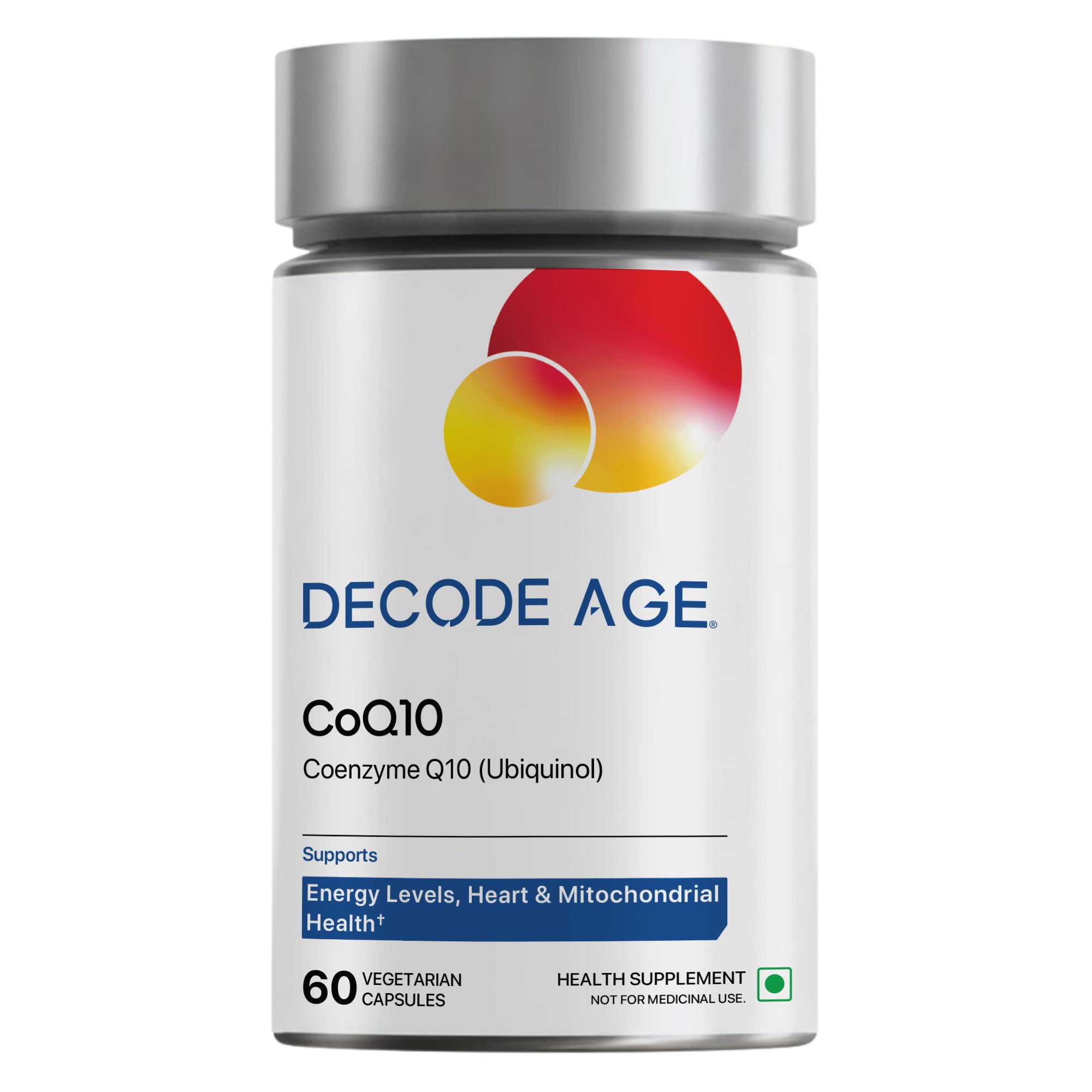
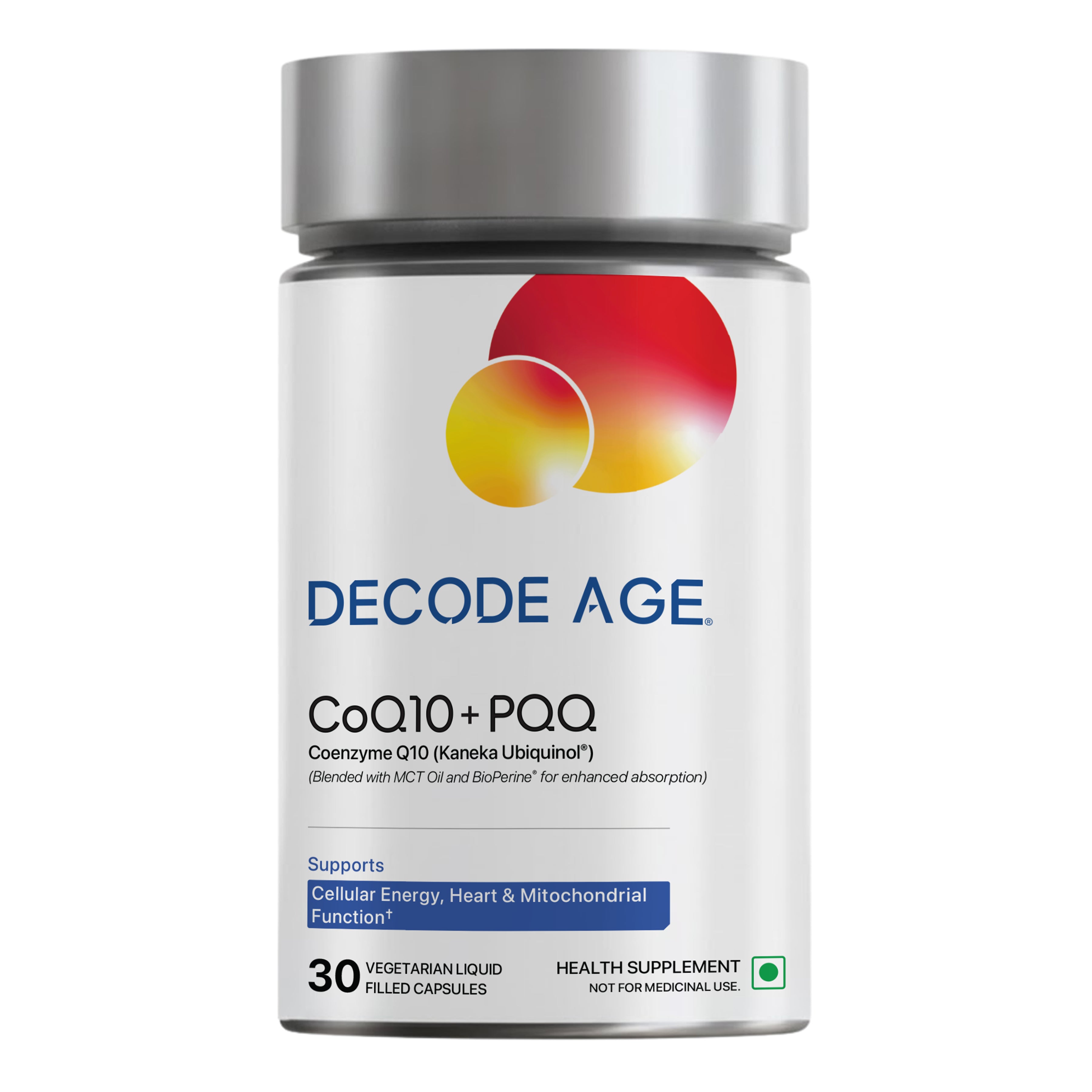
Check the form - ubiquinol or ubiquinone - and the delivery system. There’s no one-size-fits-all pick here. The better option depends on your age, health status, and how the supplement itself has been made.
A well-formulated, lipid-based product is often a smart place to start. It also helps to weigh the cost, since ubiquinol is usually pricier and tends to be less shelf-stable. If you take medicines such as blood thinners, speak with a healthcare provider before adding it to your routine.



Leave a comment
All comments are moderated before being published.
This site is protected by hCaptcha and the hCaptcha Privacy Policy and Terms of Service apply.