



Resveratrol is a plant polyphenol found in grapes, berries, and peanuts. It is studied for its effects on cellular signalling, inflammation, and metabolism.
But what are the resveratrol benefits for women, and which claims have actually been tested in humans?
The answer depends on whether researchers measured hormone levels, symptoms, or long-term health outcomes.
For background, see our introduction to resveratrol.
What Are the Potential Benefits of Resveratrol for Women?
1. Hormonal Regulation in Women With PCOS
- Polycystic ovary syndrome (PCOS) is a condition associated with hormonal and metabolic disturbances.
- Women with PCOS have elevated androgen levels, including testosterone, alongside insulin resistance.
A 2023 meta-analysis involving 218 women reported reductions in testosterone, DHEAS, and luteinising hormone following resveratrol supplementation.
A separate 2024 meta-analysis reported improvements in acne scores, prolactin, and total cholesterol, but found no significant reduction in testosterone.
Resveratrol has shown measurable effects on certain hormonal markers in women with PCOS. However, the results are inconsistent, and these findings should not replace a standard PCOS treatment.
2. Supporting Comfort and Wellbeing During Menopause
- Menopause involves declining oestrogen levels, which can affect bone health, body composition, vascular function and general wellbeing.
- Resveratrol is described as a phytoestrogen because it can interact with oestrogen receptors.
In the RESHAW clinical trial, 125 postmenopausal women received 75 mg of resveratrol twice daily or placebo in a 24-month crossover study.
Researchers observed improvements in selected measures, including:
- Chronic pain scores.
- Certain physical menopausal symptoms.
- General wellbeing
The individual studies are promising, and pain-related outcomes are one of the more encouraging findings in postmenopausal research.
3. Maintaining Bone Density After Menopause
- Oestrogen helps maintain bone density. After menopause, declining oestrogen levels can accelerate bone loss and increase osteoporosis risk.
- Resveratrol has been studied for its potential effects on bone metabolism.
A 2020 randomised trial involving postmenopausal women found improvements in selected bone mineral density measurements following resveratrol supplementation.
However, the findings need context:
- Changes in bone density do not necessarily establish a lower fracture risk.
- Studies have used different doses and follow-up periods.
- Longer-term evidence remains limited.
This means that resveratrol has shown reasonable results in certain bone-health markers, but it cannot replace proven osteoporosis prevention or treatment.
4. Supporting Insulin Regulation and Metabolic Health
- Hormonal health and metabolic health are closely connected, particularly in women with PCOS and those going through menopause.
- Resveratrol has been investigated for its potential influence on insulin signalling, glucose regulation, and vascular function.
For example, a 24-month trial in postmenopausal women reported improvements in selected measures of insulin sensitivity and cerebrovascular function.
However, pooled research has produced mixed findings.
The 2025 systematic review of postmenopausal women did not find significant overall improvements in glucose, insulin, insulin resistance, or cholesterol levels.
Selected clinical trials show encouraging metabolic changes, but the broader evidence remains mixed.
What does this mean for you?
Resveratrol has produced measurable results in human studies, particularly for selected hormone levels, pain scores, and bone-health markers. The evidence is strongest for these specific outcomes rather than broad claims about hormone balance or anti-ageing.
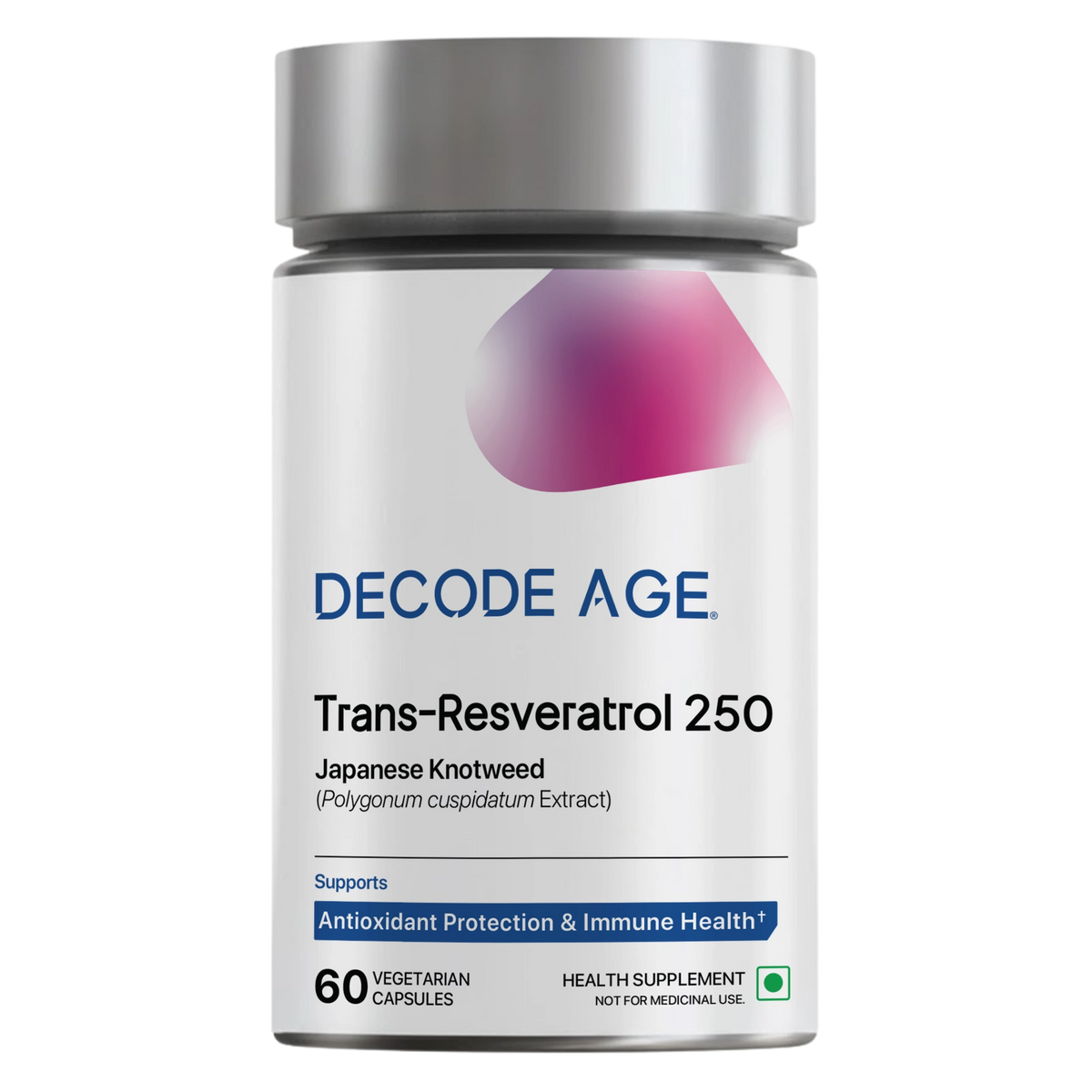
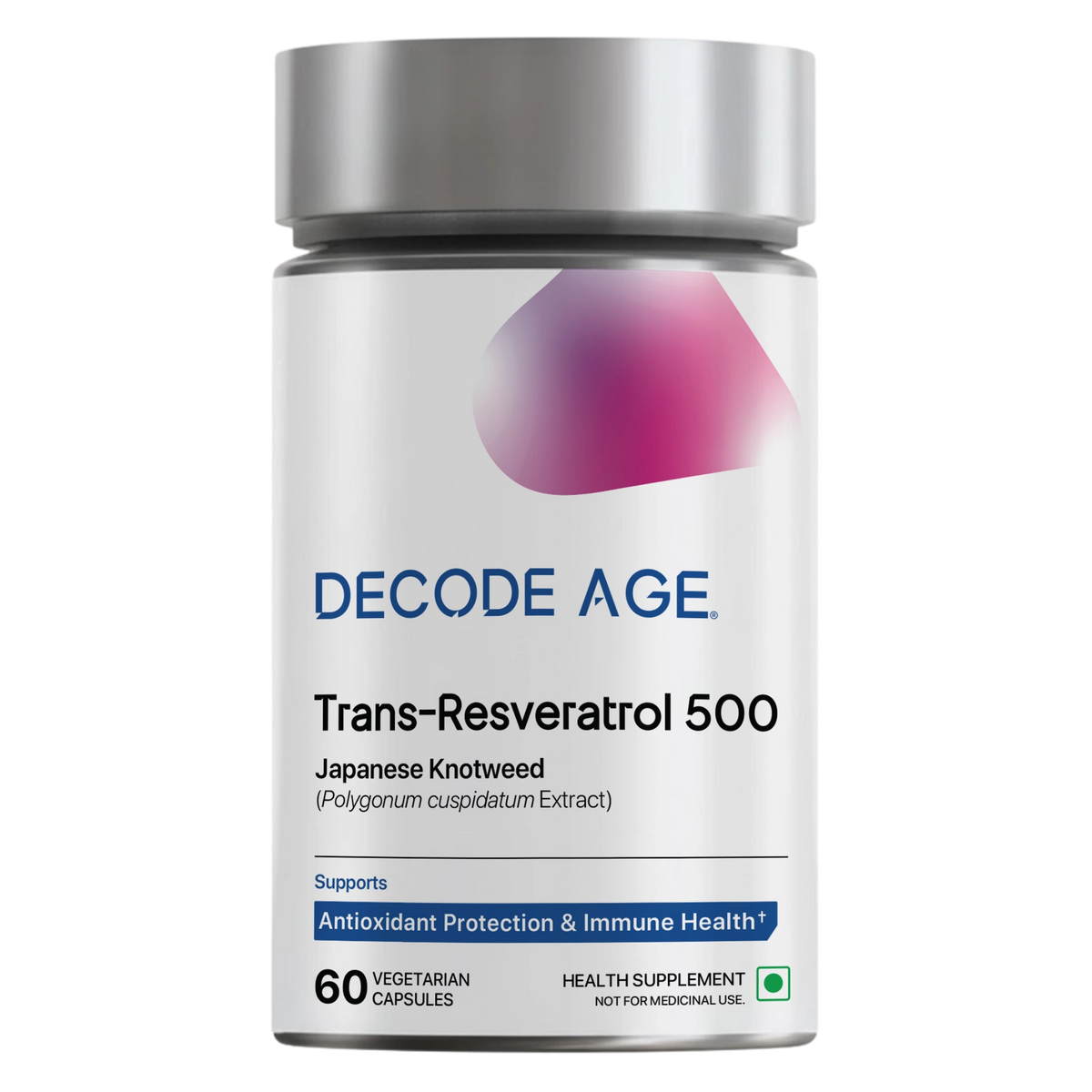
If you're exploring resveratrol supplementation, understanding the form, dose, purity, and safety profile is just as important as understanding its potential benefits.
Is Resveratrol Beneficial for Female Fertility?
A 2026 systematic review and meta-analysis examining assisted reproductive treatment found an association with improved fertilisation rates.
However, it did not find consistent improvements in clinical pregnancy or live birth rates.
Earlier observational findings also raised concerns about possible effects on embryo implantation.
Women planning pregnancy or undergoing fertility treatment should start resveratrol supplements after guidance from their fertility specialist.
How Much Resveratrol Should Women Take?
Research has tested substantially different amounts:
- 150 mg daily: Investigated in postmenopausal women, usually divided into two 75 mg doses.
- 1,000–1,500 mg daily: Used in some short-term PCOS trials.
These are study doses, not recommendations.
Resveratrol is also extensively metabolised after oral consumption, making supplement dose, absorption, and biological activity difficult to compare directly across studies.
For practical information, explore our trans-resveratrol dosage guide.
What Should Women Take Away From the Research?
Resveratrol for women's health is an interesting compound for research, particularly for PCOS-related androgen levels, selected menopausal outcomes, and bone metabolism.
However, the evidence remains uneven. Positive findings from individual trials do exist, but the findings are not sufficient to treat it as a complete treatment.
For now, established approaches such as balanced nutrition, physical activity, adequate sleep, and appropriate medical treatment remain more reliable foundations for women's hormonal and metabolic health. Resveratrol should be used as a supportive element and should be used hand-in-hand with these approaches.
FAQs
1. Is Trans-Resveratrol Different From Resveratrol?
Yes. Resveratrol exists in two main structural forms, trans and cis. The trans form is more extensively studied in human supplementation research.
2. Is Trans-Resveratrol Better Absorbed?
Oral resveratrol can be absorbed but is rapidly metabolised, leaving little unchanged compound in circulation. Human pharmacokinetic research explains this limitation.
3. What Is Cis-Resveratrol?
Cis-resveratrol is another structural form of resveratrol. Light exposure can convert some trans-resveratrol into the cis form. It is less extensively studied clinically.
4. What Does 98% Trans-Resveratrol Mean?
It refers to the stated purity or concentration of trans-resveratrol in an ingredient. For example, 500 mg of extract standardised to 98% would nominally contain 490 mg, assuming the claim is accurate. It does not mean 98% absorption.
5. What Should You Check on a Resveratrol Label?
Check the active form, milligrams per serving, standardisation percentage, independent testing, expiry date, complete ingredient list, and medication warnings.
Disclaimer: This content is for educational purposes only and does not replace professional medical advice. Resveratrol supplements are not intended to diagnose, treat, cure, or prevent any disease.


Leave a comment
All comments are moderated before being published.
This site is protected by hCaptcha and the hCaptcha Privacy Policy and Terms of Service apply.