



Two of the most repeated pieces of longevity advice are "eat well" and "exercise." Both matter, but by your 50s, several other factors start to weigh just as heavily on how long — and how well — you live. Ageing brings a real, measurable rise in vulnerability: falls become more consequential, chronic disease risk compounds, and small daily habits start showing up in the data. Three factors in particular stand out for people in this decade: exercise, smoking, and gender. Each is backed by research specific enough to act on.
The Three Key Factors That Influence Longevity
| Risk Factor | What the Research Shows | Why It Matters in Your 50s |
|---|---|---|
| Exercise | Higher midlife (45–64) physical activity is linked to a 41% lower dementia risk; late-life activity is linked to up to 45% lower risk | Your 50s fall directly in the "midlife" window this research measured — the benefit is active now, not retroactive |
| Smoking | Continuing to smoke at 55 costs an average of 7.3 years of life expectancy; quitting between 55–64 recovers roughly 4 years on average | The benefit curve is steepest earlier in life, but it hasn't flattened to zero by your 50s — quitting still counts |
| Gender | Women show a survival advantage over men even under extreme historical conditions where behaviour was equalised, pointing to a biological component on top of the behavioural gap | Men carry a higher baseline mortality risk at this age, making factors 1 and 2 proportionally higher leverage for them |
While many variables affect how long and how well we live, three stand out as particularly impactful: exercise, smoking, and gender.
1. Exercise: The Cornerstone of Healthy Ageing
Regular physical activity is one of the highest-leverage things you can do for both lifespan and healthspan — and the 50s is one of the two life stages where the research shows it matters most.
A 2025 study published in JAMA Network Open found that higher physical activity during midlife (ages 45–64 — squarely including your 50s) was associated with a 41% lower risk of dementia, with late-life activity (65–88) associated with up to a 45% reduction. In other words, the exercise habits you build in your 50s specifically are doing measurable work on your future cognitive health, not just your fitness.
Exercise also strengthens the immune system by increasing the availability of immune cells that help fight infection, and it remains one of the most effective tools for managing blood pressure, cholesterol, and cardiovascular risk as those numbers start shifting in midlife.
To support these benefits at a cellular level, some people also explore longevity-focused supplements for energy metabolism — Decode Age's formulations, for example, are designed to complement an active lifestyle by supporting cellular energy and recovery.
2. Smoking: The Most Preventable Risk Factor
Quitting smoking in your 50s still meaningfully extends life expectancy — it's simply not too late for this one to count.
A 2024 study in the American Journal of Preventive Medicine modeled life expectancy by age of smoking cessation and found that someone who smokes at 55 and continues can expect to lose an average of 7.3 years of life compared with a never-smoker — but quitting at that point recovers a substantial share of those years. Separate cohort data puts the specific gain from quitting between ages 55 and 64 at roughly 4 additional years of life, on average.
The takeaway: the benefit curve is steepest earlier in life, but it never flattens to zero. Fifty-something is not "too late" — it's simply the last decade where quitting still buys back years rather than months.
3. Gender: A Biological and Behavioural Influence
Women outlive men in nearly every country on Earth, and the gap holds up under scrutiny that rules out simple lifestyle explanations.
A study published in PNAS examined survival during historical famines, epidemics, and even slavery — conditions where behavioral differences between men and women were minimal or non-existent — and found that women still survived better than men at nearly every age. That points to a real biological component to the gap, on top of the well-documented behavioral one: men smoke, drink, and take physical risks at higher rates, and are less likely to seek medical care early.
What this means practically: men in their 50s carry a measurably higher baseline mortality risk than women of the same age, which makes the first two factors on this list — exercise and smoking — proportionally more important levers for men to pull. For women, hormonal shifts around this decade (perimenopause and menopause) bring their own distinct set of health considerations worth discussing with a doctor.
Supporting Energy and Vitality as You Age
As we grow older, maintaining consistent energy levels becomes increasingly important. Fatigue and reduced stamina are common concerns, often linked to cellular decline and nutrient deficiencies.
This is where targeted nutritional support can play a role. The best supplements for sustained energy are designed to complement a healthy lifestyle by addressing these gaps.
For example:
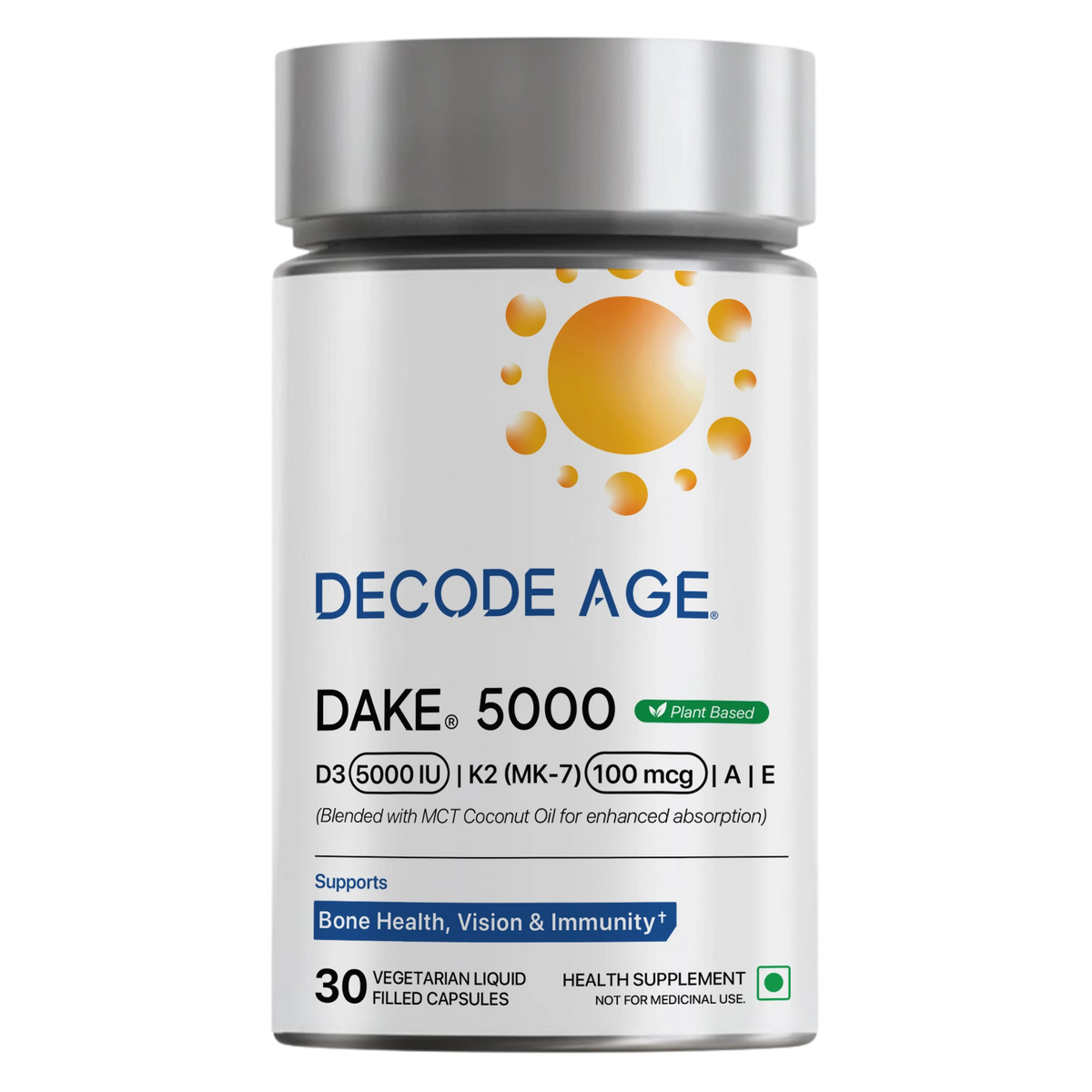
- The DAKE 5000 IU Multivitamin from Decode Age provides essential nutrients that support immunity, bone health, and overall vitality.
- The Wellness Bundle by Decode Age combines multiple formulations aimed at supporting holistic health and long-term wellbeing.
These supplements are not substitutes for a healthy lifestyle but can act as supportive tools in maintaining energy, resilience, and overall health.
Building a Sustainable Path to Healthy Ageing
Healthy ageing is not defined by the absence of challenges, but by the ability to manage and minimise them effectively. For individuals, healthcare providers, and society as a whole, the goal is clear: extend not just lifespan, but quality of life.
By focusing on modifiable factors like staying active, avoiding harmful habits like smoking, and supporting the body with proper nutrition and supplementation, you can significantly improve your chances of ageing well.
The choices made today shape how we live tomorrow. And while we may not control every aspect of ageing, we can certainly influence how strong, independent, and healthy we remain in the long run.
FAQs
-
What are the best supplements for sustained energy as we age?
Products from Decode Age, like their multivitamin and wellness bundles, are designed to support sustained energy by addressing nutrient gaps and improving cellular function alongside a healthy lifestyle. -
Are there effective supplements for fatigue in older adults?
Yes, targeted formulations from Decode Age help combat fatigue by supporting energy metabolism, immunity, and overall vitality, key factors in reducing age-related tiredness.
-
What are good supplements for low energy in women?
Decode Age offers science-backed supplements that support women’s energy, hormonal balance, and overall wellness, helping address low energy levels effectively when combined with proper nutrition and exercise.
-
How do longevity supplements support energy metabolism?
Longevity-focused products from Decode Age are designed to enhance cellular energy production and metabolic efficiency, helping maintain consistent energy levels as the body ages.
-
Where can I buy Decode Age supplements online?
You can explore and purchase supplements directly from the official Decode Age website, including their multivitamin and wellness bundles tailored for healthy ageing and sustained energy.


Leave a comment
All comments are moderated before being published.
This site is protected by hCaptcha and the hCaptcha Privacy Policy and Terms of Service apply.