







For decades, millions of women were handed a diagnosis that was, at its core, a misnomer. Polycystic ovary syndrome, PCOS, is named the ovaries as the primary site of dysfunction despite overwhelming evidence that the condition extends far beyond them. It implied cysts where there were often none. It framed a profoundly systemic, metabolic disorder as a largely gynaecological inconvenience. That framing had consequences, and they were not trivial.
On 13 May 2025, a landmark global consensus study published in The Lancet formally closed that chapter. PCOS has been officially renamed polyendocrine metabolic ovarian syndrome (PMOS) following one of the most expansive renaming processes in modern medicine.
PMOS (Polyendocrine Metabolic Ovarian Syndrome) is the new medical term replacing PCOS (Polycystic Ovary Syndrome). Experts renamed the condition to better reflect its metabolic, hormonal, inflammatory, and multisystem impact beyond ovarian health. The shift highlights the condition’s close links to insulin resistance, cardiovascular disease, chronic inflammation, and long-term metabolic health.
The shift from PCOS to PMOS is not a cosmetic update. It is a scientific correction, and for anyone who follows the science of women's metabolic health and longevity, it is long overdue.
What Is PMOS?
PMOS, or polyendocrine metabolic ovarian syndrome, is a multisystem endocrine and metabolic condition that affects far more than reproductive health. Unlike the older PCOS terminology, PMOS reflects the interconnected nature of hormonal dysfunction, metabolic dysregulation, inflammation, insulin resistance, and ovarian involvement.
The updated terminology acknowledges that ovarian morphology is only one component of the condition rather than its defining characteristic. PMOS places metabolic health at the centre of the clinical conversation.
Why Was PCOS Renamed PMOS?
The original terminology had a fundamental problem: it was anchored to a feature that was neither universal nor defining. The term "polycystic ovary syndrome" suggested that pathological ovarian cysts were at the heart of the condition, yet many women diagnosed with PCOS never presented with identifiable cysts at all.
What appear on ultrasound as "cysts" are, in most cases, immature follicles reflecting hormonal disruption rather than structural ovarian pathology. The name, in short, was describing a secondary finding whilst obscuring the primary mechanism.
As Professor Teede noted in commentary surrounding the consensus publication, it was "very clear that the name was inaccurate," causing confusion for both patients and clinicians and contributing to delayed diagnosis and fragmented care.
The new name, polyendocrine metabolic ovarian syndrome, more accurately reflects the condition’s involvement across multiple endocrine pathways, metabolic systems, and ovarian function.
The Lancet paper outlined a rigorous, multistep global consensus process using iterative surveys, modified Delphi methods, and nominal group technique workshops. Implementation of the new terminology is expected to roll out over three years, with full integration into international disease classification systems anticipated by 2028.
PMOS vs PCOS: What Changed?
| Category | PCOS (Old Framework) | PMOS (New Framework) |
|---|---|---|
| Full Name | Polycystic Ovary Syndrome | Polyendocrine Metabolic Ovarian Syndrome |
| Primary Framing | Reproductive / Gynaecological disorder | Metabolic / Multisystem disorder |
| Defining Feature | Polycystic ovarian morphology on ultrasound | Endocrine and metabolic dysfunction across multiple systems |
| Are Ovarian Cysts Required? | Implied by the name that many diagnosed patients never presented with cysts | Not required; follicular appearance is considered a secondary sign |
| Systems Recognised | Ovaries, menstrual cycle, fertility | Endocrine, metabolic, ovarian, dermatological, cardiovascular, and psychological systems |
| Metabolic Dysfunction | Historically underemphasised and treated as secondary | Central to diagnosis, risk assessment, and management |
| Insulin Resistance | Not foregrounded in naming or clinical prioritisation | Explicitly recognised as a core pathological feature |
| Long-Term Health Risks | Primarily framed around fertility concerns | Cardiovascular disease, type 2 diabetes, chronic inflammation, and biological ageing risks were highlighted |
| Psychological Health | Rarely integrated into standard clinical evaluation | Formally recognised as part of the multisystem condition |
| Impact on Diagnosis | Delayed diagnosis common due to a fertility-focused framework | Broader diagnostic lens expected to improve earlier metabolic identification |
PCOS vs PMOS: How the Framing Changed
What Are the Symptoms of PMOS?
Because PMOS is a multisystem condition, symptoms often extend far beyond reproductive health.
Common symptoms include:
- Irregular menstrual cycles
- Acne and skin changes
- Weight gain or difficulty losing weight
- Hair thinning or excess hair growth
- Fatigue
- Fertility challenges
- Mood disturbances
- Hormonal imbalance symptoms
Women without the “classic” ovarian presentation were frequently overlooked under the previous diagnostic model. Many experienced fatigue, insulin dysregulation, inflammation, and metabolic dysfunction long before diagnosis
Why the Old PCOS Label Failed Many Women
The damage done by imprecise medical terminology is rarely dramatic. It accumulates quietly, in consulting rooms, in delayed referrals, in symptoms dismissed as anxiety or weight management issues. For women with what is now called PMOS, this accumulation was substantial.
Because the old framing centred on reproductive function, fatigue, weight gain, mood disturbance, insulin dysregulation, and persistent low-grade inflammation were frequently minimised or attributed to other causes. Women presenting without the "classic" picture of irregular cycles and visible ovarian changes were often told their hormones were normal. Clinicians trained to look for ovarian cysts naturally did so, and when they were absent, the diagnostic trail went cold. Meanwhile, the metabolic dysfunction progressed.
This fertility-first framing also shaped where research funding flowed and how treatment was framed. Women were often told the condition mattered primarily in the context of wanting to conceive. The broader implications for cardiovascular risk, type 2 diabetes, and long-term metabolic health received comparatively little attention in clinical consultations.
How PMOS Affects Metabolic Health
This is where the science becomes genuinely significant, and where the implications extend beyond diagnosis and into the territory of longevity medicine.

Fig: The PMOS Metabolic Web
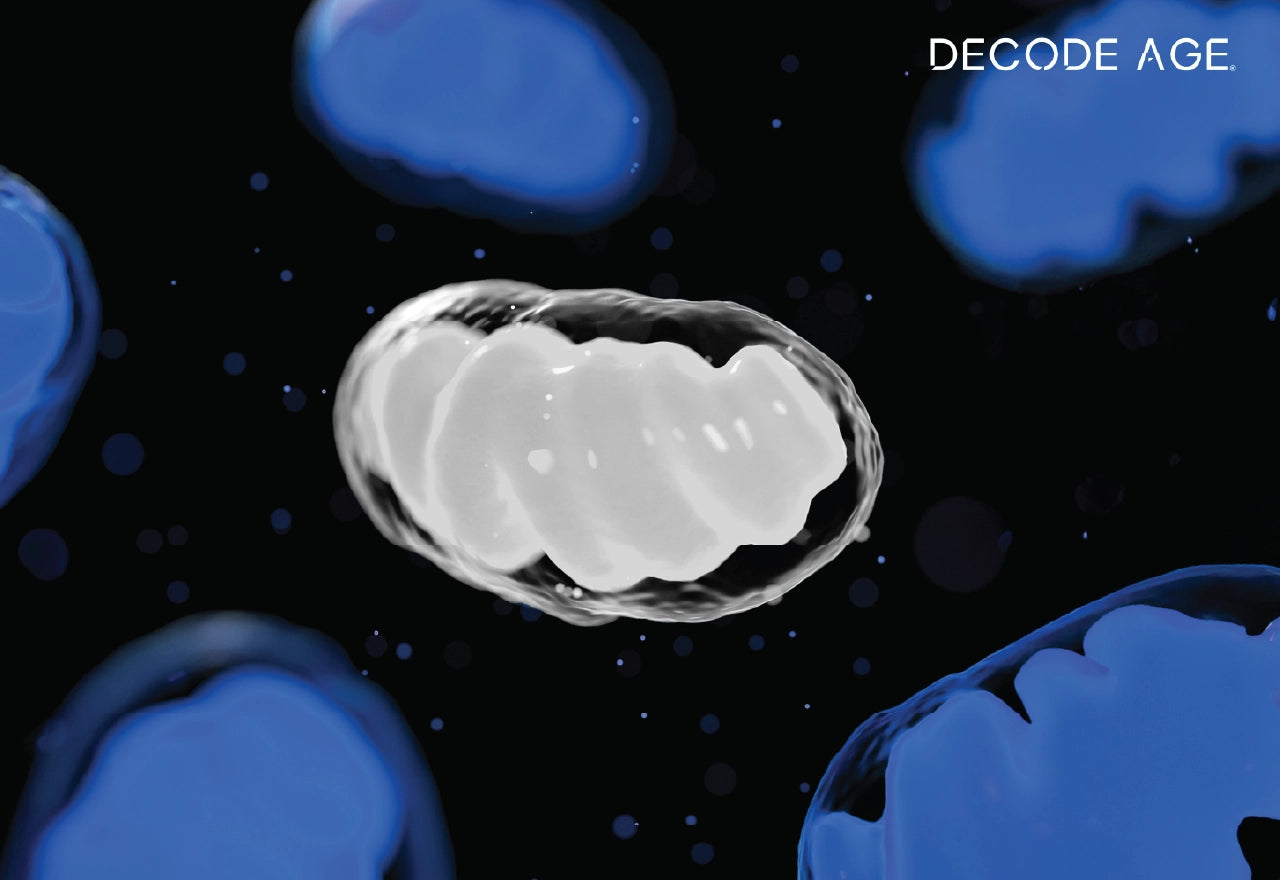
At the cellular level, PMOS is characterised by interconnected disruptions involving insulin signalling, mitochondrial function, chronic inflammation, oxidative stress, and metabolic flexibility.
Researchers have also identified mitochondrial dysfunction as a major pathological feature. A 2025 review in the International Journal of Molecular Sciences confirmed that androgen excess and insulin resistance collectively increase oxidative stress, impair ATP production, and disrupt mitochondrial biogenesis.
Mitochondria are not merely the cell’s energy generators. They regulate cellular ageing, apoptosis, and metabolic resilience, making mitochondrial health central to longevity science.
PMOS and Insulin Resistance
Insulin resistance is one of the most well-documented features of PMOS and is present in the majority of women with the condition, regardless of body weight.
Chronically elevated insulin drives compensatory hyperinsulinaemia, amplifies androgen production, impairs ovarian function, and triggers downstream metabolic consequences.
Importantly, insulin resistance is also a major driver of accelerated biological ageing and increases the risk of:
- Type 2 diabetes
- Cardiovascular disease
- Non-alcoholic fatty liver disease
- Cognitive decline
Women with PMOS often benefit from monitoring biomarkers such as:
- Fasting insulin
- HOMA-IR
- HbA1c
- Fasting triglycerides
- High-sensitivity CRP
These markers provide a more meaningful picture of metabolic dysfunction than glucose testing alone.
PMOS and Biological Ageing
The overlap between PMOS and longevity biology is becoming increasingly difficult to ignore.
Chronic low-grade inflammation, oxidative stress, insulin resistance, mitochondrial dysfunction, and impaired metabolic flexibility are all mechanisms strongly associated with accelerated biological ageing.
Women with PMOS exhibit elevated inflammatory cytokines, including tumour necrosis factor-alpha and interleukin-6, reflecting persistent systemic inflammation that contributes to cardiovascular disease and neurodegeneration.
This is one reason PMOS is now being discussed not only as a reproductive condition, but also as an early metabolic ageing signal.
The Gut Microbiome and PMOS
One of the more illuminating developments in PMOS research has been the growing body of evidence linking gut microbiome dysbiosis to the condition's core features. Multiple studies have confirmed that women with PMOS exhibit characteristic patterns of reduced microbial diversity, imbalances in the ratio of Firmicutes to Bacteroidetes, and altered microbial metabolite production that directly influence insulin signalling, androgen metabolism, and systemic inflammation.
The mechanism is increasingly well understood. Dysbiosis compromises the integrity of the intestinal barrier, allowing lipopolysaccharide, a component of gram-negative bacterial cell walls, to enter the systemic circulation. This bacterial endotoxaemia triggers a persistent low-grade inflammatory response, further worsening insulin resistance and amplifying the hormonal dysfunction central to PMOS. Research published in eClinicalMedicine and Frontiers in Microbiology has underscored the bidirectional relationship between gut health and PMOS: metabolic dysfunction alters the microbiome, and microbiome dysbiosis deepens metabolic dysfunction.
The gut-brain axis adds a further dimension. Short-chain fatty acids, produced by beneficial gut bacteria through fermentation of dietary fibre, play a significant regulatory role in appetite, mood, and systemic metabolism. When the microbiome is compromised, the effects are not confined to digestion. They ripple outward into every metabolic system.
PMOS Treatment and Lifestyle Strategies
The shift toward PMOS aligns closely with systems-based and preventive medicine approaches.
Functional and integrative medicine practitioners have long viewed the condition through a metabolic lens, focusing on:
- Insulin sensitivity
- Gut microbiome health
- Cortisol regulation
- Inflammation management
- Sleep quality
- Stress resilience
- Mitochondrial support
Emerging research also highlights the role of the gut microbiome in PMOS. Women with the condition often exhibit reduced microbial diversity, altered metabolite production, and increased intestinal permeability that can worsen inflammation and insulin resistance.
Lifestyle interventions increasingly focus on:
- Nutrition for insulin sensitivity
- Exercise and metabolic flexibility
- Sleep optimisation
- Stress reduction
- Anti-inflammatory strategies
- Microbiome support
The tools of longevity medicine and PMOS management are becoming increasingly interconnected.
Why the PMOS Rename Matters for Women’s Health Research
The renaming of PCOS to PMOS arrives at a moment when medicine is undergoing a broader philosophical reorientation, from symptom management toward systems biology, from reactive intervention toward genuine prevention. PMOS sits precisely at this intersection, and its reclassification as a polyendocrine metabolic condition rather than a reproductive syndrome has the potential to accelerate that reorientation in women's health specifically.
For too long, the dominant paradigm in women's health framed the body's metabolic processes as secondary to reproductive ones. Fertility was the narrative through which women's hormonal health was understood, funded, and researched. PMOS challenges that frame its foundation. It demands that insulin resistance, mitochondrial function, inflammatory biology, and cardiovascular risk be considered primary concerns in women's health, not afterthoughts appended to conversations about cycles and conception.
The implications for preventive medicine are substantial. If PMOS is understood as an early indicator of metabolic ageing, then identifying and addressing it in the second or third decade of life creates a meaningful opportunity to alter long-term health trajectories. The tools of longevity medicine, metabolic monitoring, lifestyle modification, targeted nutrition, microbiome support, and inflammation management are precisely the tools most relevant to PMOS management. The two disciplines are not parallel. They are, in many respects, addressing the same underlying biology.
What this renaming signals, ultimately, is that the medical community is finally prepared to see women's metabolic health in its full complexity. For the 170 million people affected by this condition worldwide, the reclassification of PMOS as a multisystem metabolic disorder represents a form of scientific vindication. And for the clinicians, researchers, and practitioners who follow the science of longevity and chronic disease prevention, it represents one of the most significant shifts in women's health in recent memory.
The name has changed. What follows from that change may matter even more.
Frequently Asked Questions
-
Is PCOS now called PMOS?
Yes. In May 2025, a global medical consensus officially renamed PCOS (Polycystic Ovary Syndrome) to PMOS (Polyendocrine Metabolic Ovarian Syndrome). The updated terminology better reflects the condition’s complex metabolic, hormonal, and multisystem nature rather than focusing only on ovarian symptoms. -
What does PMOS stand for?
PMOS stands for Polyendocrine Metabolic Ovarian Syndrome. The new name highlights that the condition involves multiple endocrine pathways, metabolic dysfunction, insulin resistance, inflammation, and ovarian involvement rather than being solely a reproductive disorder. -
Why was PCOS renamed?
PCOS was renamed because the original term was considered medically inaccurate and incomplete. Many women diagnosed with PCOS do not actually have ovarian cysts, and the condition affects far more than reproductive health. The new name, PMOS, better reflects the links between the condition and metabolic dysfunction, insulin resistance, chronic inflammation, and long-term cardiovascular risk. -
Is PMOS a metabolic disorder?
Yes. PMOS is now recognised as a metabolic and endocrine disorder rather than purely a gynaecological condition. Insulin resistance, inflammation, mitochondrial dysfunction, and metabolic imbalance are considered central features of PMOS and play a major role in symptom development and long-term health outcomes. -
Does PMOS affect longevity?
Emerging research suggests that PMOS may influence long-term healthspan and biological ageing. The condition is associated with chronic inflammation, insulin resistance, oxidative stress, and mitochondrial dysfunction, all of which are linked to accelerated ageing and increased risk of cardiovascular disease, type 2 diabetes, and metabolic disorders. -
Can PMOS cause insulin resistance?
Yes. Insulin resistance is one of the most common and well-established features of PMOS. Elevated insulin levels can worsen hormonal imbalance, increase androgen production, disrupt ovulation, and contribute to weight gain, inflammation, and metabolic dysfunction. -
What are the symptoms of PMOS?
Common symptoms of PMOS include:
- Irregular or missed periods
- Weight gain or difficulty losing weight
- Acne and oily skin
- Excess facial or body hair
- Hair thinning or hair loss
- Fatigue and low energy
- Fertility challenges
- Mood changes and brain fog
Symptoms can vary significantly between individuals because PMOS affects multiple hormonal and metabolic systems. -
Is PMOS the same as PCOS?
PMOS and PCOS refer to the same underlying condition, but PMOS is the updated medical terminology. The diagnostic criteria remain largely unchanged, but the new name better reflects current scientific understanding that the condition is multisystem, metabolic, and endocrine in nature rather than focused only on the ovaries.



Leave a comment
All comments are moderated before being published.
This site is protected by hCaptcha and the hCaptcha Privacy Policy and Terms of Service apply.