







Do you often feel drained during weekday morning meetings, struggle to stay focused by mid-afternoon, and then find yourself wide awake late at night with a restless mind? This frustrating experience is more common than you might think, especially among adults in their 30s, 40s, and beyond.
Many think that it’s the result of a hectic lifestyle or stress, but it often goes deeper. These patterns can signal that your body’s internal systems, especially at the cellular level, are out of balance. When your cells aren’t producing enough energy, it affects your focus, sleep, and overall vitality. While lifestyle changes help, many people are now turning to supplements for fatigue to support energy levels and restore balance more effectively.
When Your Body Clock Doesn’t Match Your Life
At the centre of this problem is the circadian rhythm, or your body’s internal 24-hour clock that controls everything from sleep and energy levels to hormone release and body temperature (Panda, Cell, 2016). When this clock is working properly, you feel fresh and alert in the morning, stay focused during the day, and naturally feel sleepy at night.
However, when it is disturbed by factors such as late-night screen time, irregular sleep schedules, stress, or a lack of a proper diet, this natural rhythm gets thrown off. As a result, you feel tired during the day and wide awake at night, as your body’s system essentially flips out of sync.
7 Reasons That Are Disrupting Your Day-Night Energy Pattern
|
Cause |
What’s Happening in Your Body |
What You Experience |
|
Shifted Body Clock (Circadian Rhythm Delay) |
Your Circadian Rhythm is pushed later, so your brain releases Melatonin much later than normal |
You feel alert at night but struggle to wake up and function in the morning |
|
Blue Light Exposure at Night |
Screens suppress melatonin production (by up to ~23%), tricking your brain into thinking it’s still daytime |
Delayed sleep onset, restless nights, and groggy mornings |
|
Elevated Evening Stress (Cortisol Spike) |
Your Cortisol remains high at night due to stress, disrupting natural wind-down signals |
“Tired but wired” feeling at night; drained and foggy during the day |
|
Caffeine Overuse or Poor Timing |
Caffeine blocks adenosine (sleep pressure chemical), delaying your ability to feel sleepy |
Difficulty falling asleep + dependence on caffeine to function the next day |
|
Nutrient Gaps (Magnesium / Vitamin D) |
Magnesium affects calming neurotransmitters; Vitamin D supports serotonin–melatonin balance |
Trouble relaxing at night, low mood, fatigue, and inconsistent sleep quality |
|
Low Daytime Activation (Sunlight & Movement) |
Lack of daylight and activity weakens circadian signals and reduces natural sleep pressure buildup |
Not sleepy at night, yet low energy and sluggish during the day |
|
Sleep Disruptions (Sleep Apnea / RLS) |
Conditions like Sleep Apnea or Restless Legs Syndrome cause micro-awakenings that interrupt deep sleep cycles |
You get “enough” sleep hours, but still wake up exhausted |
The Nutrient Connection Nobody Talks About Enough
Another important reason behind feeling tired during the day and restless at night is often the lack of the needed nutrients. In India, nearly 70–80% of adults lack essential nutrients such as vitamin D and magnesium (ICMR-NIN, 2019).
Vitamin D plays a key role in helping your body produce serotonin, which later converts into melatonin, the hormone that helps you sleep. When Vitamin D is low, this entire process gets disrupted (Patrick & Ames, FASEB Journal, 2015).
Magnesium also helps calm the nervous system, so a deficiency can make it harder to relax at night. This is why supplements for fatigue that target these gaps can make a real difference. Iron deficiency is also another common issue. It can lead to restless legs syndrome (RLS), causing discomfort and interrupted sleep (Allen et al., Sleep Medicine, 2018).
The Deeper Cellular Driver: NAD+ Decline and Circadian Dysfunction
Beyond vitamin and mineral deficiencies, another reason for low energy and sleep difficulties is how cells produce energy. NAD+ is a natural compound in the body that helps your cells generate energy and also supports your internal body clock (Peek et al., Science, 2013).
As you age, NAD+ levels can drop significantly, upto 50% between your 40s and 60s. This decline affects how well your body maintains a clear day-night rhythm, leading to low energy during the day and trouble sleeping at night. This is why many adults notice their energy levels becoming more irregular after their mid-30s.
To achieve an optimal sleep-wake cycle, along with lifestyle and dietary changes, additional support in the form of NAD+ supplements for energy is worth considering. By helping restore NAD+ levels, they not only improve energy but also support your body’s natural sleep-wake cycle.
What You Can Do: Lifestyle Changes That Help
Before turning to supplementation, adopt these evidence-backed habits:
-
Fix your wake-up time. Waking at the same time daily, even on weekends, is the single most powerful reset tool in developing sleep hygiene. (Walker, Why We Sleep, 2017)
-
Get morning light within 30 minutes of waking. Natural light clears residual melatonin and sets your energy levels rhythm for the day.
-
Eliminate screens 60–90 minutes before bed. It is not just the light; reducing excessive stimulation of your brain helps in having a restful, quality sleep.
-
Avoid caffeine after 1 PM. Caffeine has a half-life of 5–7 hours; an afternoon coffee is still partially active at midnight
-
Eat your last full meal at least 2–3 hours before bed. Active digestion competes with the physiological wind-down process
- Address stress actively. Chronic stress is among the most potent disruptors of cortisol rhythm and, by extension, sleep architecture
How Supplements Aid in Resetting The Body’s Circadian Rhythm
Once the lifestyle basics are taken care of, supplements can help further address the deeper cellular and nutritional gaps that often keep your energy cycle out of sync. Think of them not as shortcuts, but as targeted support for the biological systems that regulate your sleep–wake rhythm.
1. Comprehensive Energy + Recovery Blends
Constant tiredness and inability to relax at night is a situation that’s a culmination of many factors coming together. It’s often a mix of low cellular energy, inflammation, and hormonal imbalance. Advanced formulas like Decode Age LongeVit™ combine multiple ingredients to address this holistically:
- NMN for NAD+ support
- CoQ10 for mitochondrial function
- Pterostilbene & Curcumin for antioxidant and anti-inflammatory support
- Ginseng for improved alertness and reduced fatigue
- L-Glycine for relaxation and sleep quality
Why it helps: Instead of targeting one symptom, it supports energy production, recovery, and sleep regulation together.
Best Use: Take once daily after breakfast or lunch.
2. Reducing Inflammation That Disrupts Sleep
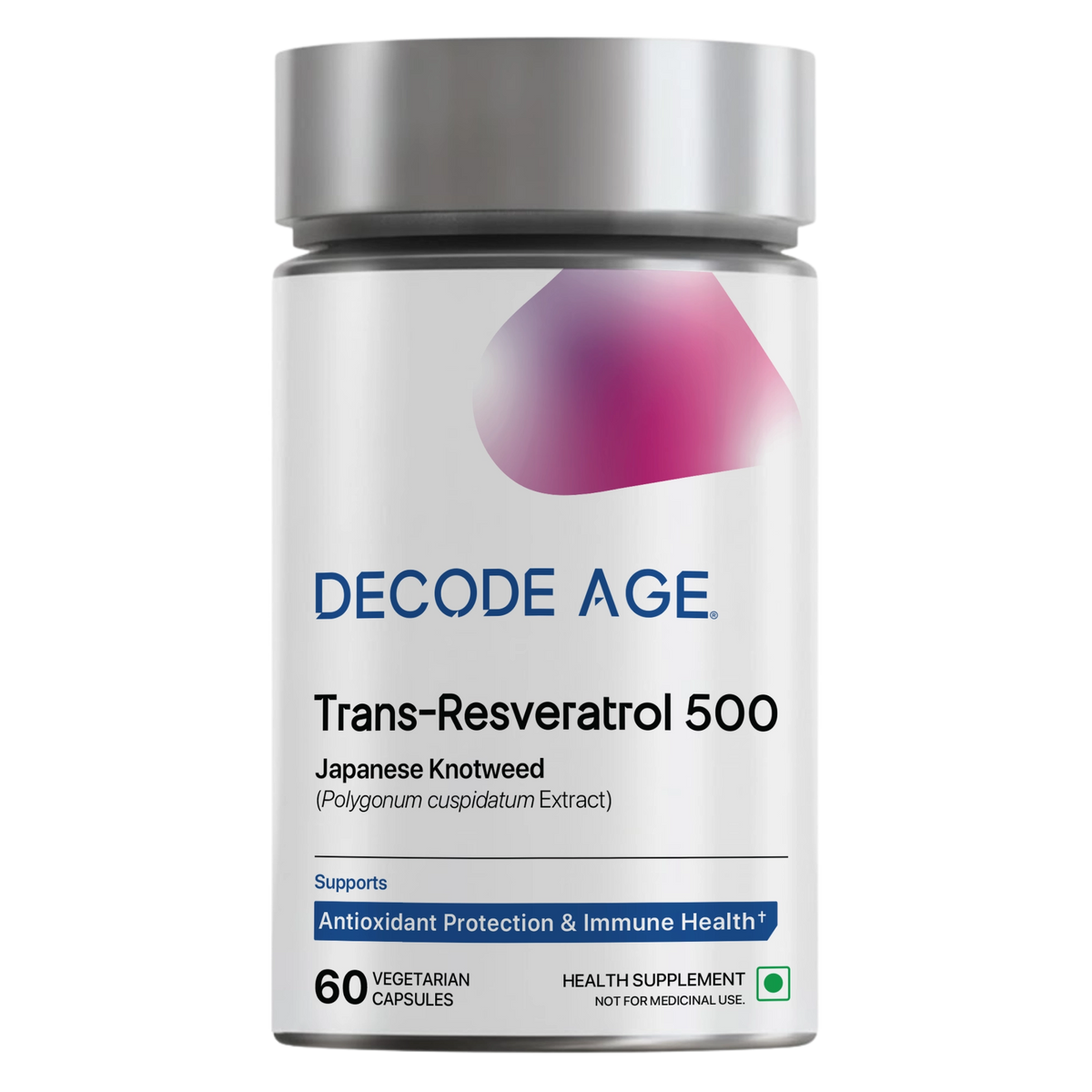
Chronic, low-grade inflammation can quietly interfere with sleep quality, even if you’re spending enough time in bed. Compounds like Decode Age Trans-Resveratrol support:
- Cellular repair pathways (like sirtuins)
- Regulation of inflammatory responses (linked to NF-κB)
- Heart and brain health
Why it matters: Lower inflammation = more stable sleep cycles and better recovery.
Best Use: Take after dinner to support overnight repair processes.
3. Restoring Calm with Magnesium Complexes
Magnesium plays a critical role in calming the nervous system by supporting neurotransmitters like GABA and aiding in melatonin production. Advanced blends like Mag7™ offer:
- Multiple bioavailable forms of magnesium for better absorption
- Added Vitamin B6 and manganese for enhanced utilisation
- Ingredients designed to promote muscle relaxation and deeper sleep
When to consider: If you struggle to unwind at night, experience restless sleep, or wake up feeling unrefreshed.
Best practice: Take in the evening as part of your wind-down routine.
Stop Managing Fatigue And Start Resolving It
Waking up tired and lying awake at night is not something you should simply accept as part of getting older. Your circadian rhythm is a biological system, and like any system, it responds to the right inputs. With consistent lifestyle changes and targeted supplements for fatigue that address the cellular and nutritional root causes, the day-night energy cycle you have been living with is genuinely reversible.
FAQs
-
Why do I feel more awake at night than during the day?
This usually happens when your body clock is disrupted by late screen time, stress, or irregular sleep. Your system gets out of sync, making you alert at night and tired during the day. Fixing sleep habits and supporting your body can help reset it.
-
Can NAD+ supplements help with daytime fatigue?
Yes. NAD+ helps your cells produce energy and supports your body’s internal clock. As it declines with age, energy levels drop. Supplements like Decode Age β-NMN can help restore NAD+ levels, improving energy, focus, and overall daily performance.
-
What is the best time to take Decode Age β-NMN for energy?
It’s best taken in the morning or before midday. Since it boosts energy at a cellular level, taking it late in the day may interfere with sleep. Early intake helps align it with your natural energy cycle.
-
Can Vitamin D deficiency cause daytime tiredness?
Yes. Vitamin D helps regulate sleep-related hormones. Low levels can affect sleep quality and make you feel tired during the day. Correcting this deficiency can improve both sleep and energy levels.
-
How long does it take to see results with Decode Age supplements?
Most people notice better sleep and energy within 2–4 weeks. However, deeper benefits like improved cellular energy and recovery usually take 6–12 weeks with consistent use and a healthy lifestyle.



Leave a comment
All comments are moderated before being published.
This site is protected by hCaptcha and the hCaptcha Privacy Policy and Terms of Service apply.