



Resveratrol and quercetin are plant-derived polyphenols with antioxidant and anti-inflammatory properties. They may support aspects of immune health by helping the body manage oxidative stress and inflammatory signalling, but they are not proven to prevent or treat infections on their own.
The most practical way to think about these compounds is as part of a wider immune-supportive routine: a nutrient-rich diet, adequate sleep, regular movement, stress management and medical care when needed. Supplements may be relevant for some adults, but the evidence for their combined effect on immunity is still developing.
What are resveratrol and quercetin?
Resveratrol is a polyphenol found naturally in grape skins, berries, peanuts and Japanese knotweed. Quercetin is a flavonoid present in foods such as onions, apples, berries, leafy greens and grapes. Both are studied for how they interact with oxidative stress, inflammatory pathways and cellular signalling.
“Antioxidant” does not mean a compound acts like a shield that blocks every harmful molecule. The body uses some reactive molecules for normal immune communication. Instead, antioxidants may help maintain balance when oxidative stress becomes excessive.
How could they support immune health?
During an immune response, the body produces inflammatory signals and reactive oxygen species. This is normal and useful in the short term. However, persistent inflammation and oxidative stress can place strain on cells and tissues.
Laboratory and preclinical studies suggest that resveratrol and quercetin can influence pathways linked with inflammation, including NF-κB. They may also affect antioxidant defence systems. These mechanisms are scientifically interesting, but they should not be confused with proven protection against viral or bacterial infections in humans.
| Compound | Common food sources | What research suggests |
|---|---|---|
| Resveratrol | Grapes, berries, peanuts | May influence inflammatory and metabolic signalling; direct human immune-outcome evidence is limited. |
| Quercetin | Onions, apples, berries, leafy greens | Has antioxidant and anti-inflammatory activity; some human research has examined respiratory illness outcomes, but findings are not definitive. |
What does human research actually show?
Human research is more cautious than many online claims suggest. A randomised community trial of quercetin found possible benefits in a subgroup of older adults with high physical fitness, but it did not establish quercetin as a reliable infection-prevention supplement for everyone. Read the clinical trial.
For resveratrol, clinical reviews have explored outcomes related to inflammation, metabolic health and cardiovascular markers. Some trials report changes in selected inflammatory markers, but results differ by population, dose, duration and health status. A meta-analysis of randomised trials concluded that the evidence needs careful interpretation rather than broad immune claims. See the systematic review.
There is also no strong human evidence that taking resveratrol and quercetin together prevents colds, flu or other infections. Their combination may be biologically plausible, but plausibility is not the same as a demonstrated clinical benefit.
Food first: a more reliable foundation
Plant foods provide polyphenols alongside fibre, vitamins and minerals that contribute to overall health. Rather than relying on one “immunity food”, aim for variety across the week.
- Add onions, apples, berries and leafy greens for quercetin-containing foods.
- Include grapes, berries and peanuts as food sources of resveratrol and other polyphenols.
- Prioritise adequate protein, fruits, vegetables and whole grains.
- Maintain vitamin D, vitamin C, zinc and iron intake where needed, ideally with professional guidance for suspected deficiencies.
Red wine contains resveratrol, but it is not a recommended source for immune health. Alcohol has health risks, and its potential harms should not be outweighed by claims about one plant compound.
When might a supplement be considered?
A supplement may be worth discussing with a healthcare professional if your diet is limited, your routine is demanding, or you are looking for a convenient way to include specific compounds in an established wellness routine. It should not replace meals, sleep, prescribed medicines or treatment for ongoing symptoms.
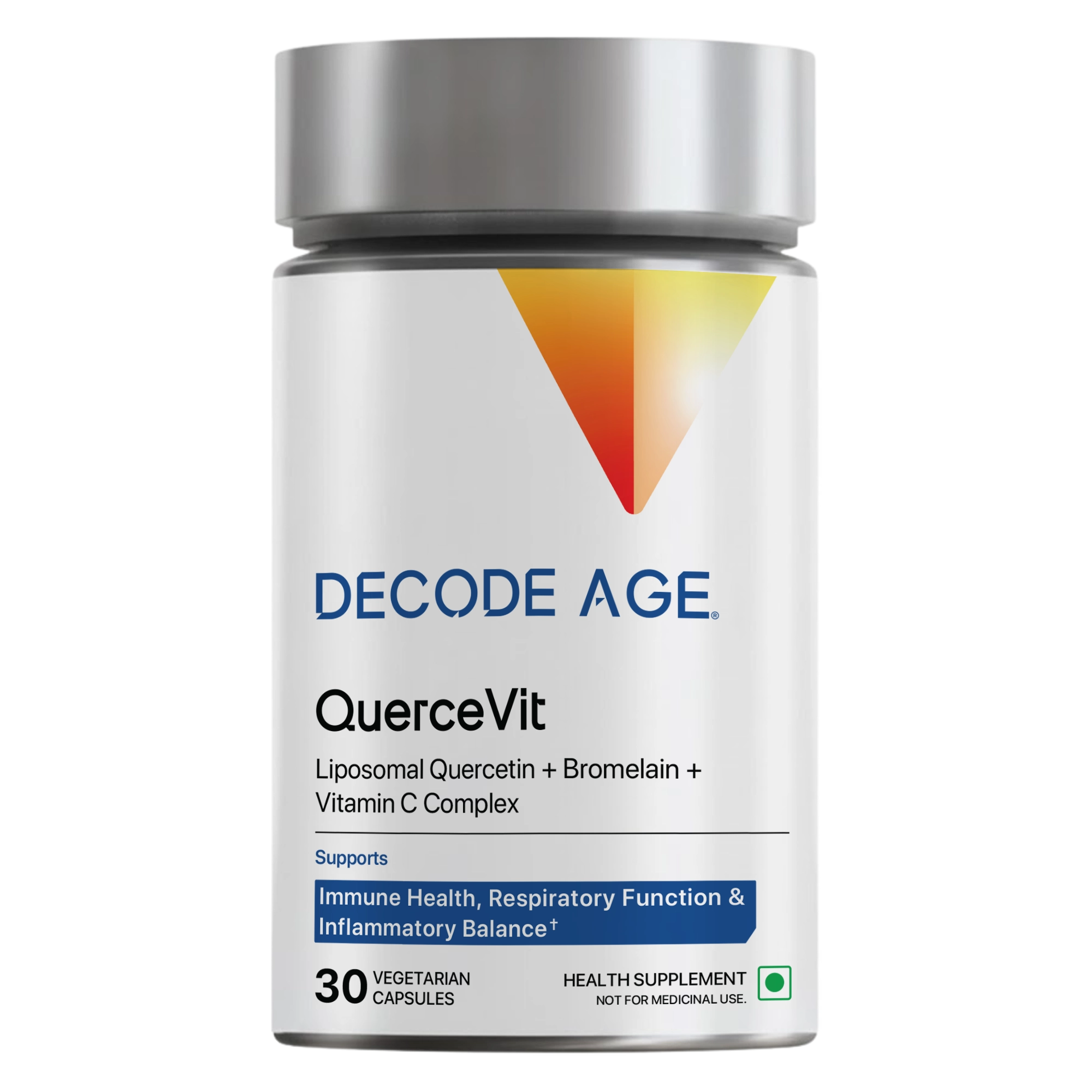
For adults seeking a quercetin-led formula, Decode Age QuerceVit provides liposomal quercetin with bromelain and vitamin C. Vitamin C contributes to normal immune function and protection of cells from oxidative stress.
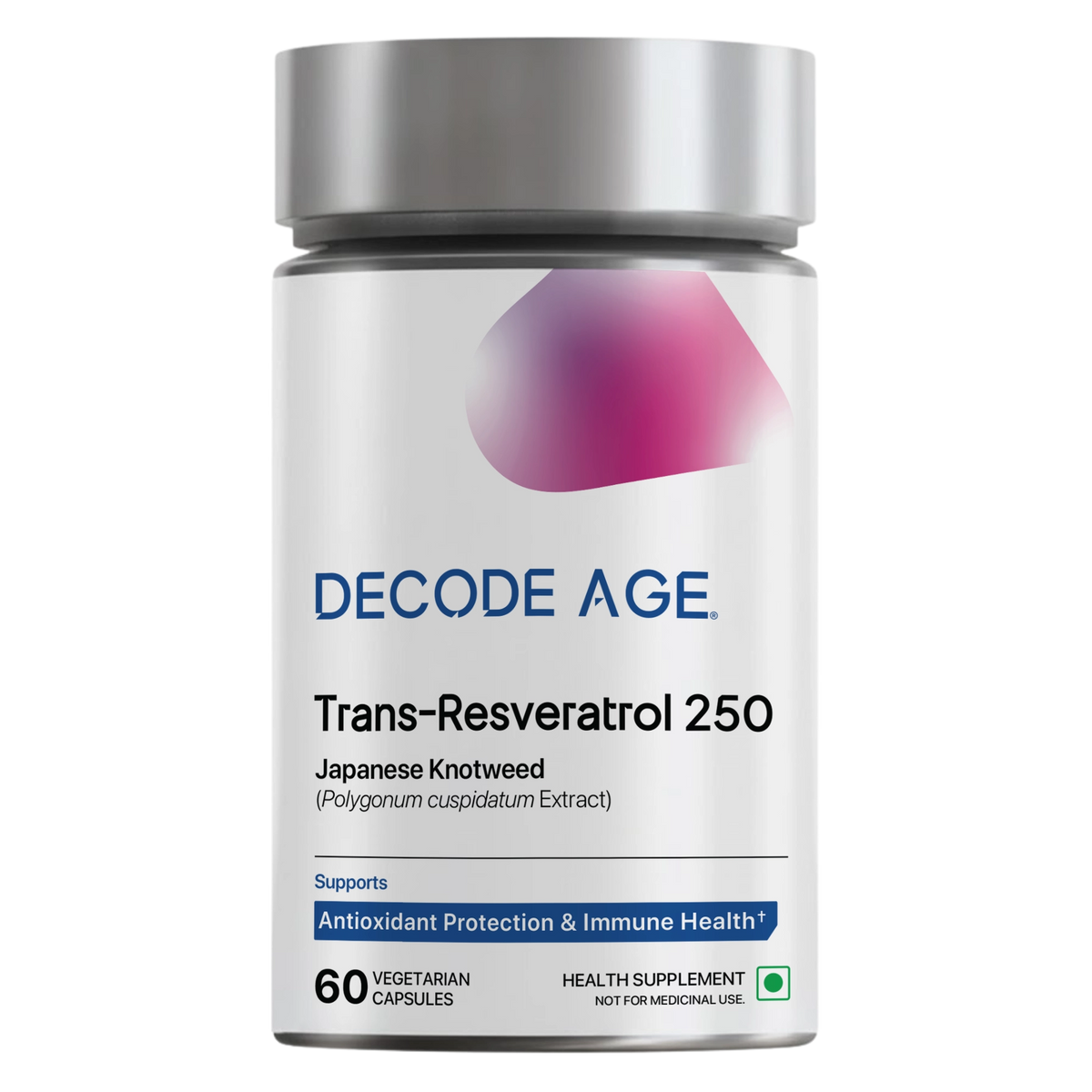
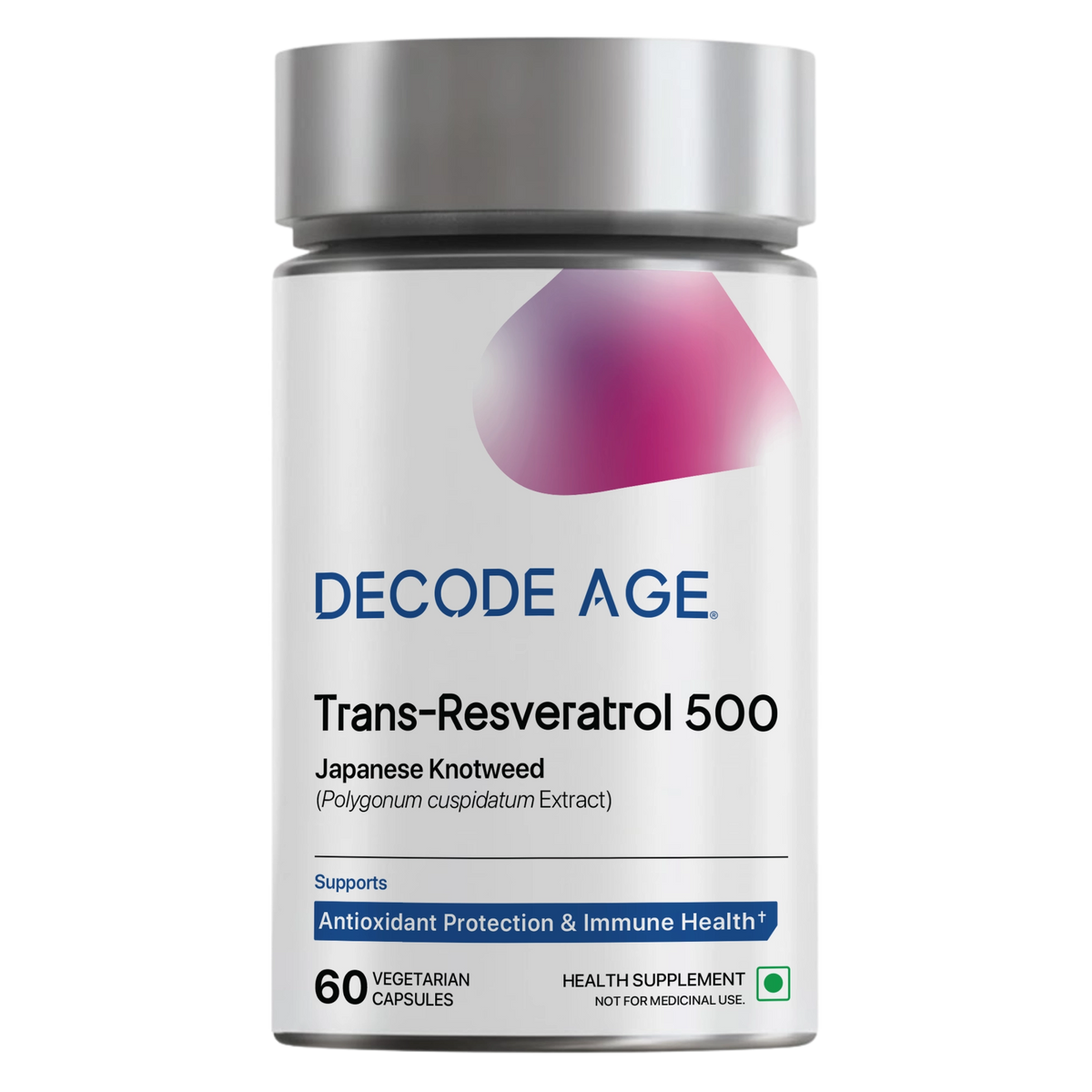
Those specifically interested in resveratrol can explore Decode Age Trans-Resveratrol 500 mg, a plant-derived trans-resveratrol formula. It is best viewed as a supplement for antioxidant-focused and healthy-ageing routines, not as an immunity treatment.
Safety and interactions to keep in mind
Both compounds can interact with medicines. Resveratrol may be unsuitable for people taking blood-thinning medication, while quercetin may affect how certain medicines are processed. People who are pregnant, breastfeeding, managing a medical condition, preparing for surgery or taking prescription medicines should speak to a qualified healthcare professional before using either supplement.
If you have fever, breathlessness, persistent symptoms or signs of a serious infection, seek medical advice rather than self-treating with supplements.
The bottom line
Resveratrol and quercetin are promising plant compounds with antioxidant and anti-inflammatory actions. They may complement a well-rounded wellness routine, but current human research does not justify claiming that they prevent or treat infections. For meaningful immune support, focus first on everyday habits and use supplements thoughtfully, with attention to quality, dosage and safety.
Frequently asked questions
Can resveratrol and quercetin boost immunity?
They may support pathways related to oxidative stress and inflammation, but they are not proven to “boost” immunity or prevent infections. Immune health depends on multiple lifestyle, dietary and medical factors.
Can I take resveratrol and quercetin together?
Some adults may use both as part of a wellness routine, but there is limited direct human evidence on the combination. Check with a healthcare professional if you take medicines or have an underlying condition.
Are resveratrol and quercetin better from food or supplements?
Food is the foundation because it provides a broad mix of nutrients and fibre. Supplements can be a convenient option for some adults, but they should complement—not replace—a varied diet.



Leave a comment
All comments are moderated before being published.
This site is protected by hCaptcha and the hCaptcha Privacy Policy and Terms of Service apply.